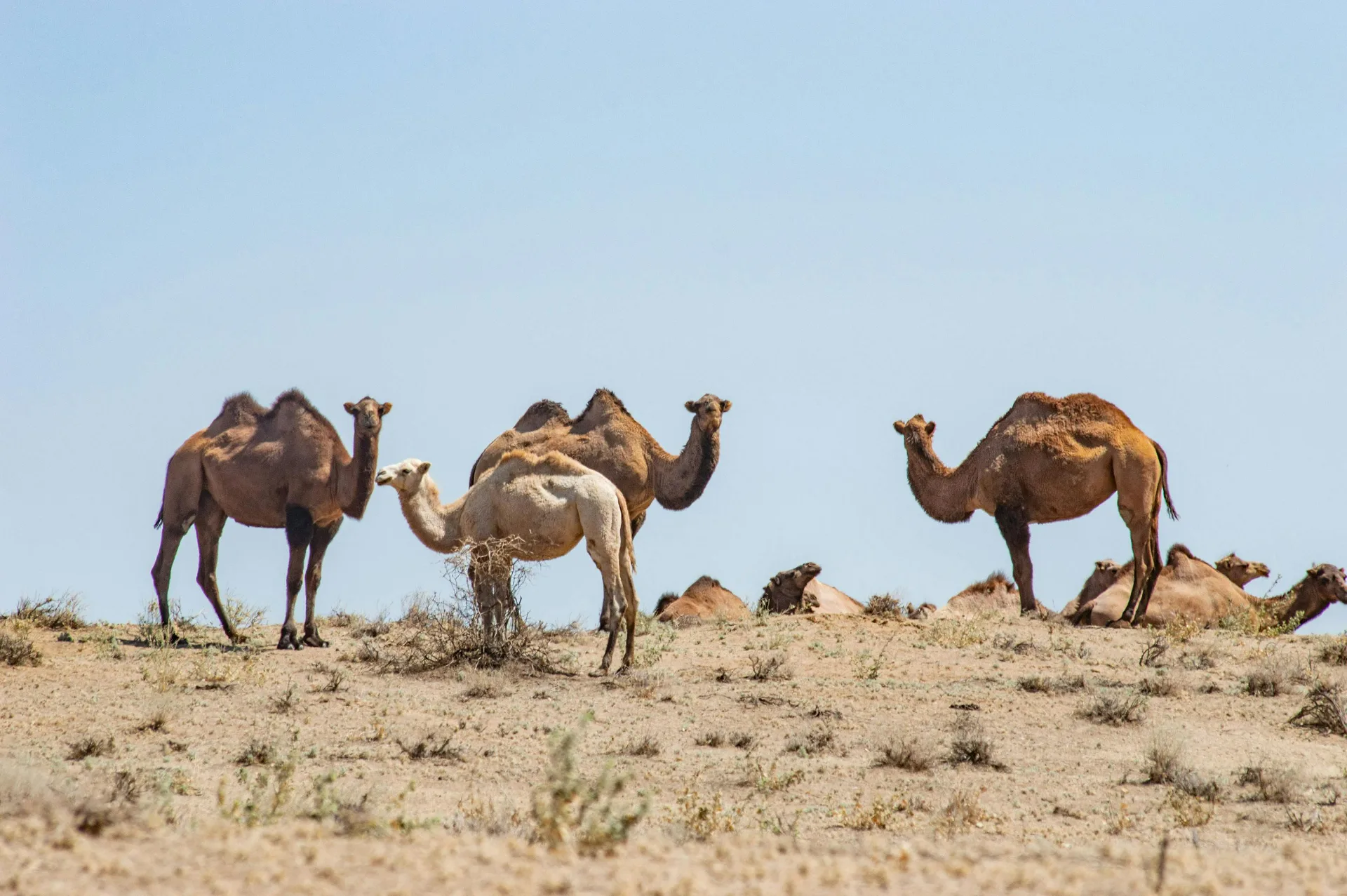
For centuries, the phrase "Silk Road" conjured images of camel caravans crossing endless desert, laden with bolts of gleaming fabric. But the trade routes that connected China to Rome were never about silk alone — and Uzbekistan's cities were never simply waypoints on a commercial highway. They were civilizational crossroads where ideas, technologies, and peoples collided, merged, and spread across half the globe.
Understanding the Silk Road's real scope is essential to understanding why Central Asia commerce shaped the ancient world — and why it's reshaping the modern one.
What the Silk Road Actually Traded
Silk was the headline commodity, but the manifest was far richer. Merchants moving through trade route history carried:
- Paper and printing technology from Tang Dynasty China westward into the Islamic world and eventually Europe
- Glassware from the Roman and Byzantine empires, some of which reached Chinese courts as luxury curiosities
- Cotton textiles produced in the workshops of Samarkand and Bukhara — equal in value to the silk they're overshadowed by
- Lapis lazuli mined in the mountains of what is now Afghanistan, prized across Egypt, Greece, and Persia for millennia
- Ideas — Buddhism, Islam, Zoroastrianism, and Manichaeism all traveled with the caravans, transforming societies as thoroughly as any physical cargo
This exchange of knowledge was arguably more consequential than any bolt of silk. The mathematical traditions that later fueled the European Renaissance arrived via the same routes that delivered saffron and musk to Mediterranean markets.
Uzbekistan's Central Role in Trade Route History
No country sits more squarely at the heart of the ancient Silk Road than Uzbekistan. Its three great cities formed a triangle that controlled the most lucrative passages through Central Asia.
Samarkand: Where East Met West
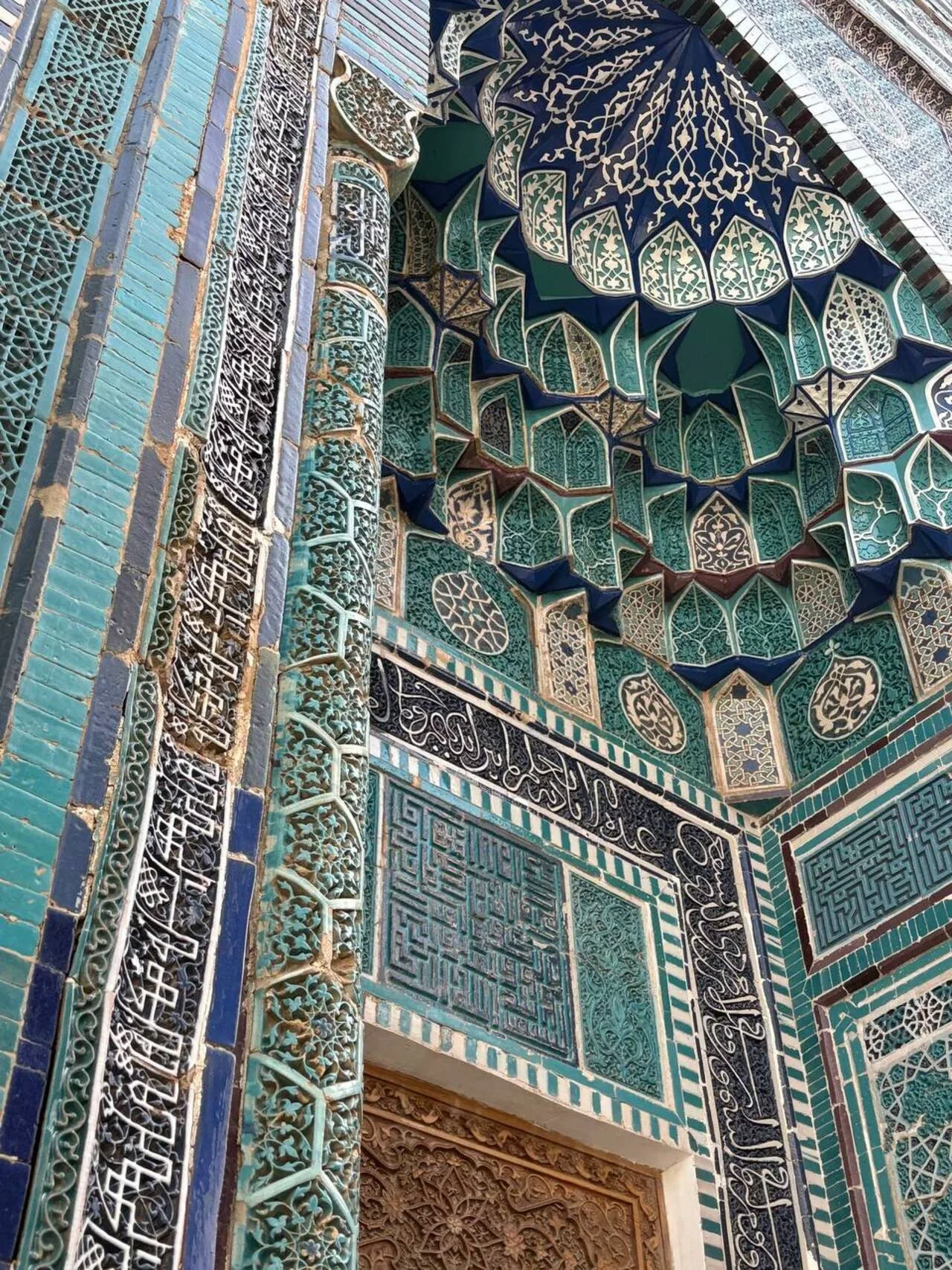
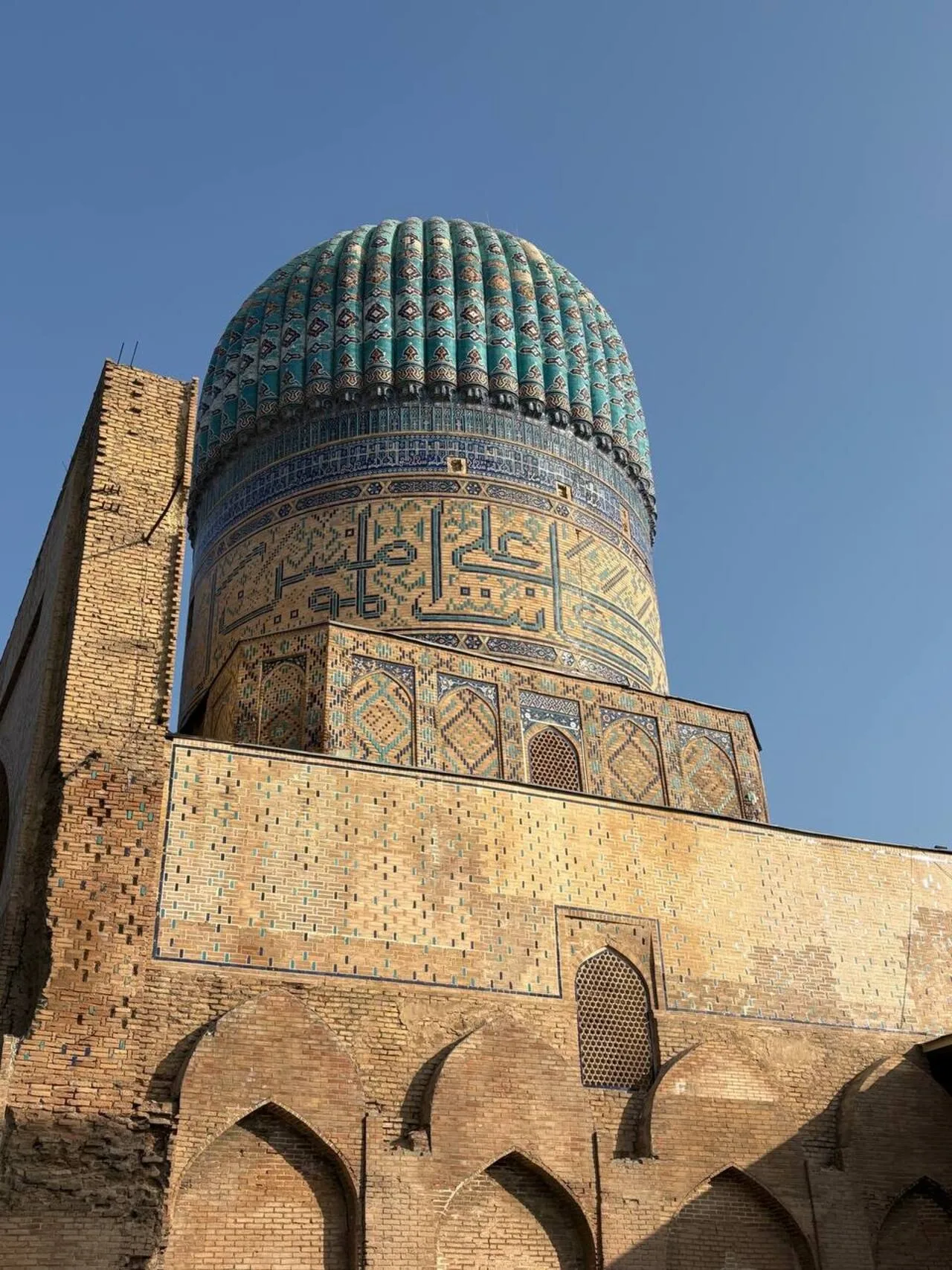
Samarkand's position at the junction of routes from China, India, Persia, and the Mediterranean made it one of the ancient world's wealthiest cities. At its peak under Timur in the 14th century, it was deliberately stocked with the world's finest craftspeople — architects, astronomers, weavers, and metalworkers — all brought to enhance a city that already owed its fortune to Silk Road Uzbekistan commerce. The Shah-i-Zinda necropolis and the Registan complex are, in a very real sense, monuments built with Silk Road money.
Bukhara and Khiva: Merchant Hubs
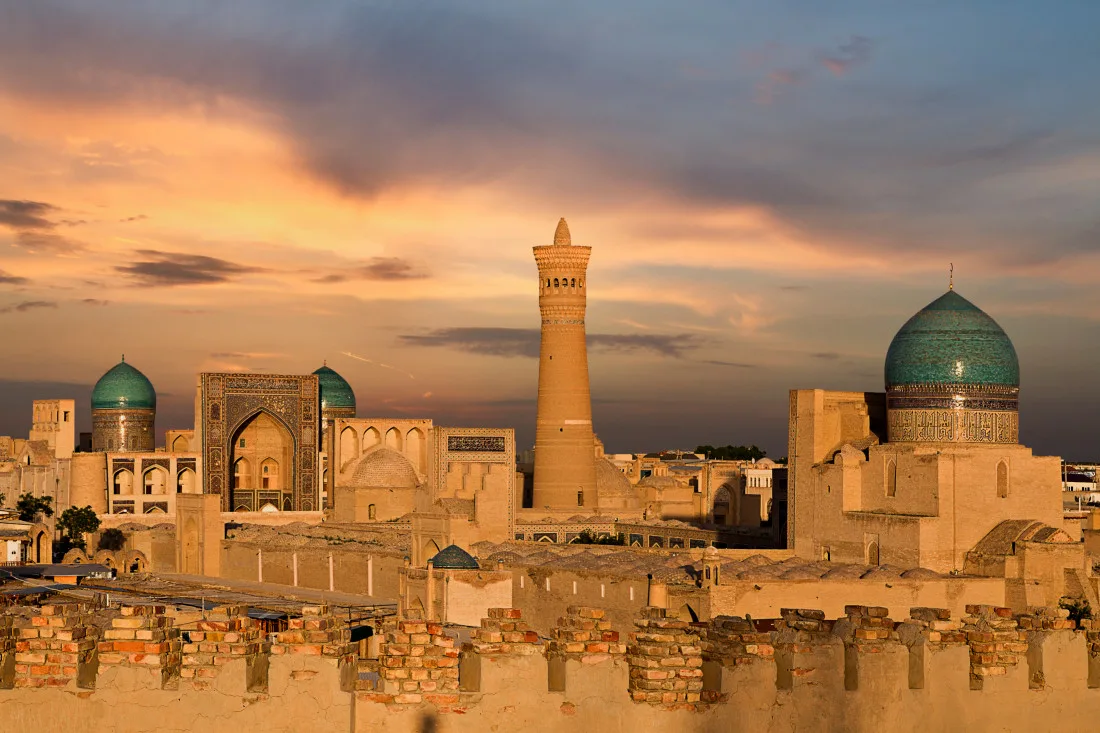
Bukhara operated for centuries as a semi-independent commercial republic, its merchants known across the Islamic world for their financial sophistication. The city's covered bazaars — the Trading Domes, or toki — were purpose-built commercial infrastructure, each dome specializing in a different trade: jewelers in one, money-changers in another, cap-makers in a third. Khiva, further west, anchored the route toward the Caspian and onward to Eastern Europe, controlling access to the steppes where horses — another critical Silk Road commodity — were bred and traded.
The Caravanserai: Ancient Trade Infrastructure
No camel could carry goods from Xi'an to Constantinople without rest, water, and security. The solution was the caravanserai — a fortified rest stop built at intervals of roughly one day's travel (30–40 km). Uzbekistan alone had hundreds of these facilities during the Silk Road's peak centuries, offering merchants secure storage, animal fodder, food, and often a rudimentary banking service through letters of credit.
Walking through restored caravanserais in Bukhara today — the Toqi Zargaron or the Tim Abdullakhan — it's possible to read the commercial logic in the architecture: the wide central courtyard for animals, the small lockable chambers for merchants and goods, the well at the center of everything.
Central Asia Commerce: The Modern Silk Road
The ancient routes never entirely died. Today, Uzbekistan sits at the center of a renewed scramble for connectivity across Central Asia. China's Belt and Road Initiative has poured investment into rail and road infrastructure through the region, updating ancient corridors with fiber optic cables and high-speed freight lines. Uzbekistan exported $3.1 billion in goods to China in 2023 — textiles, agricultural products, and minerals following paths first cut by camel.
For travelers, this living continuity is one of the most compelling things about the country. The merchants are still here, the bazaars are still open, and the goods — suzani embroidery, silk ikat, hand-thrown ceramics — are still made by families who trace their craft lineage to the Silk Road centuries.
Five places to experience Silk Road trade today:
- Chorsu Bazaar, Tashkent — the oldest continuously operating market in Central Asia
- The Trading Domes, Bukhara — medieval commercial architecture still in use
- Margilan Yodgorlik Silk Factory — watch ikat silk woven on 16th-century loom designs
- Shah-i-Zinda, Samarkand — merchant patronage made visible in tilework
- Khiva Old City (Ichan-Kala) — intact caravan-era urban fabric, a UNESCO site
If you want to move beyond photographs of monuments and into direct contact with the living traditions the Silk Road created, CraftnCulture's cultural workshops put you inside the craft. Book a half-day with a bread maker in Tashkent or a ceramicist in Rishtan — and take home something the caravans would have carried.
About the author
CraftnCulture
The CraftnCulture editorial team — Tashkent-based cultural tourism specialists covering Uzbekistan travel, artisan crafts, and Silk Road heritage.