Znikający kaligrafowie Kokandu: islamska tradycja rękopisów Uzbekistanu
Szklana gablota w muzeum w Kokandzie zawierała pojedynczą stronę. Nie cały rękopis - właśnie stronę, z plamą wodną wzdłuż jednej krawędzi, atrament z czasem przybrał lekko brązowy odcień. Tabliczka informowała, że to fragment Koranu z XIX wieku, przepisany pismem naskh, preferowanym przez skrybów Chanatu Kokandzkiego. Stałam tam dłużej niż reszta grupy, bo spodziewałam się zobaczyć pracownię, a zamiast tego patrzyłam na to, co z niej zostało.
Jak tam trafiłam
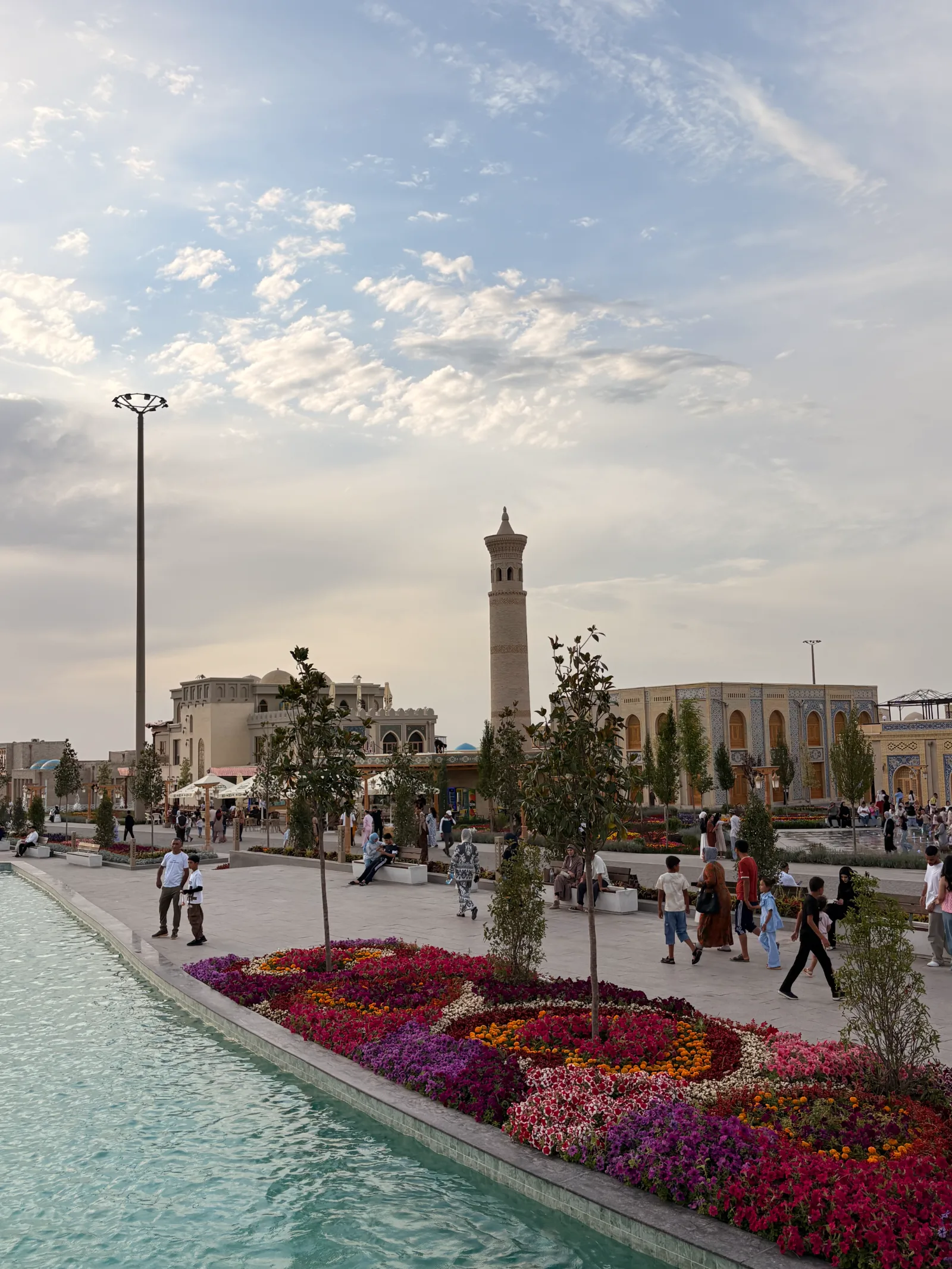
Do Kokandu przyjechałam jako odstępstwo od trasy wycieczki CraftNCulture po Dolinie Fergańskiej, która prowadzi podróżnych przez warsztaty garncarskie w Riszton i jedwabnicze w Margilanie, zanim wraca do Taszkentu. Kokand nie jest przystankiem na tej trasie - poprosiłam przewodnika o dodanie pół dnia, zaciekawiona miastem, które niegdyś było stolicą chanatu na tyle bogatego, by zamawiać iluminowane rękopisy setkami. Czytałam, że kaligrafia kokandzka, odmienna od geometrycznej kaligrafii wykutej na fasadach medres w Bucharze i Samarkandzie, wykształciła własny regionalny charakter pisma - ciaśniejsze pętle, preferencję dla czarnego atramentu zamiast złotej folii popularnej gdzie indziej. Chciałam zobaczyć to z bliska, może spróbować sama. Nie mogłam. W Kokandzie nie ma obecnie żadnego warsztatu kaligrafii, ani praktycznego, ani żadnego innego, dostępnego dla podróżnych. Dowiedziałam się tego, pytając trzy różne osoby w Pałacu Chudajar-chana, wszystkie udzieliły tej samej przepraszającej odpowiedzi.
Samo rzemiosło
To, co naprawdę przetrwało w Kokandzie, jest fragmentaryczne - i to jest uczciwy punkt wyjścia dla każdego, kto pisze na ten temat. Dworska pracownia skrybów chanatu, działająca w XVIII i XIX wieku, szkoliła pisarzy w piśmie naskh i czasem bardziej ozdobnym nasta'liq, tworząc Korany, zbiory poezji i dokumenty administracyjne dla rodziny panującej, która używała kaligrafii tak, jak inne dwory używały portretów - jako pokazu bogactwa i legitymizacji. Większość tej produkcji została rozproszona lub zniszczona podczas rosyjskiego podboju i kolejnych dziesięcioleci; to, co pozostało, znajduje się w gablotach muzealnych w Kokandzie, Taszkencie i kilku bibliotekach za granicą. Sama tradycja - konkretny charakter pisma, receptury atramentu, techniki cięcia pióra trzcinowego przekazywane od nauczyciela do ucznia - nie zaginęła całkowicie w Uzbekistanie, ale też nie jest dziś nauczana w Kokandzie w formie, którą turysta mógłby zarezerwować. To realna luka i wolę powiedzieć o tym wprost, niż udawać inaczej.
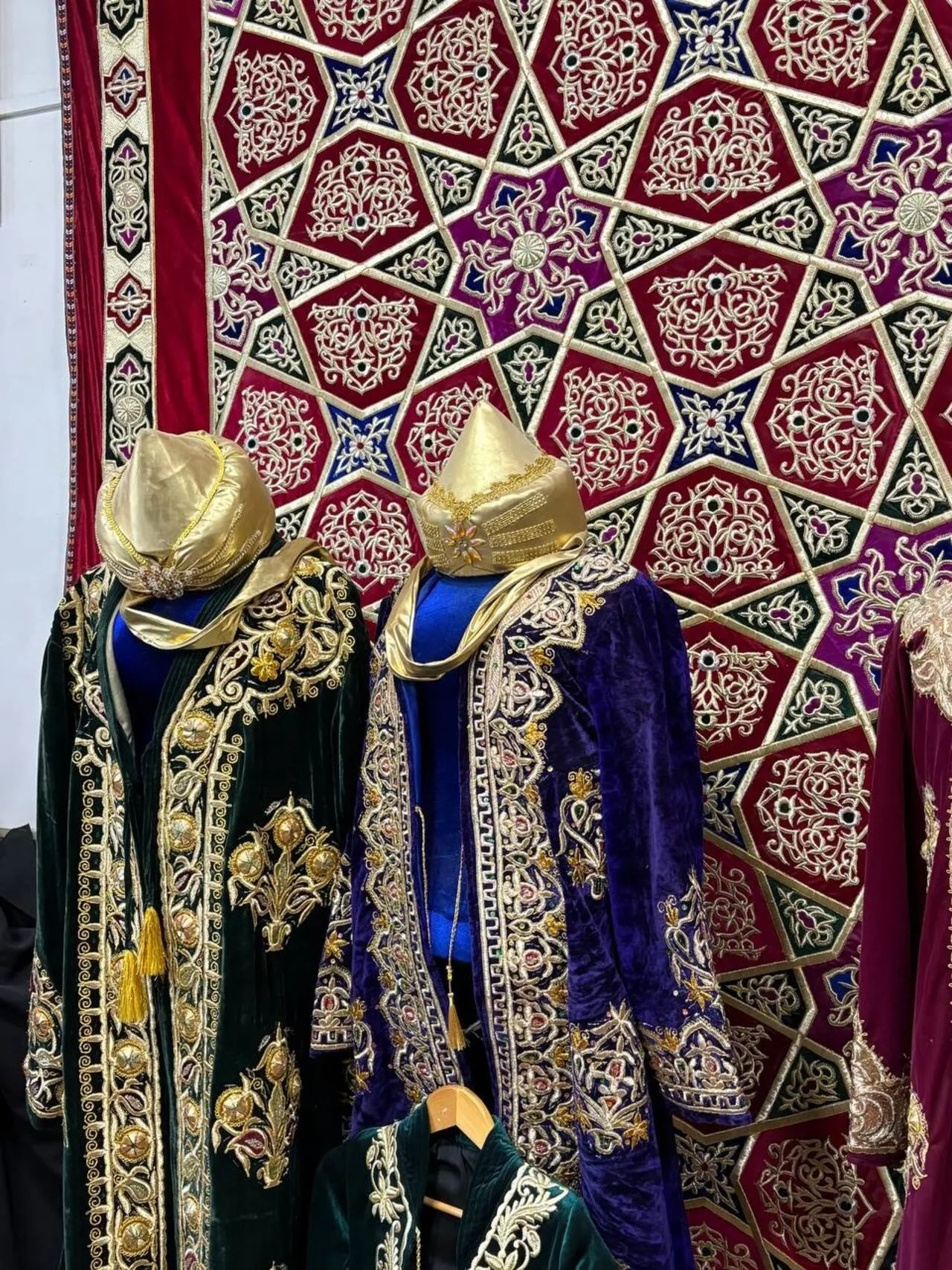
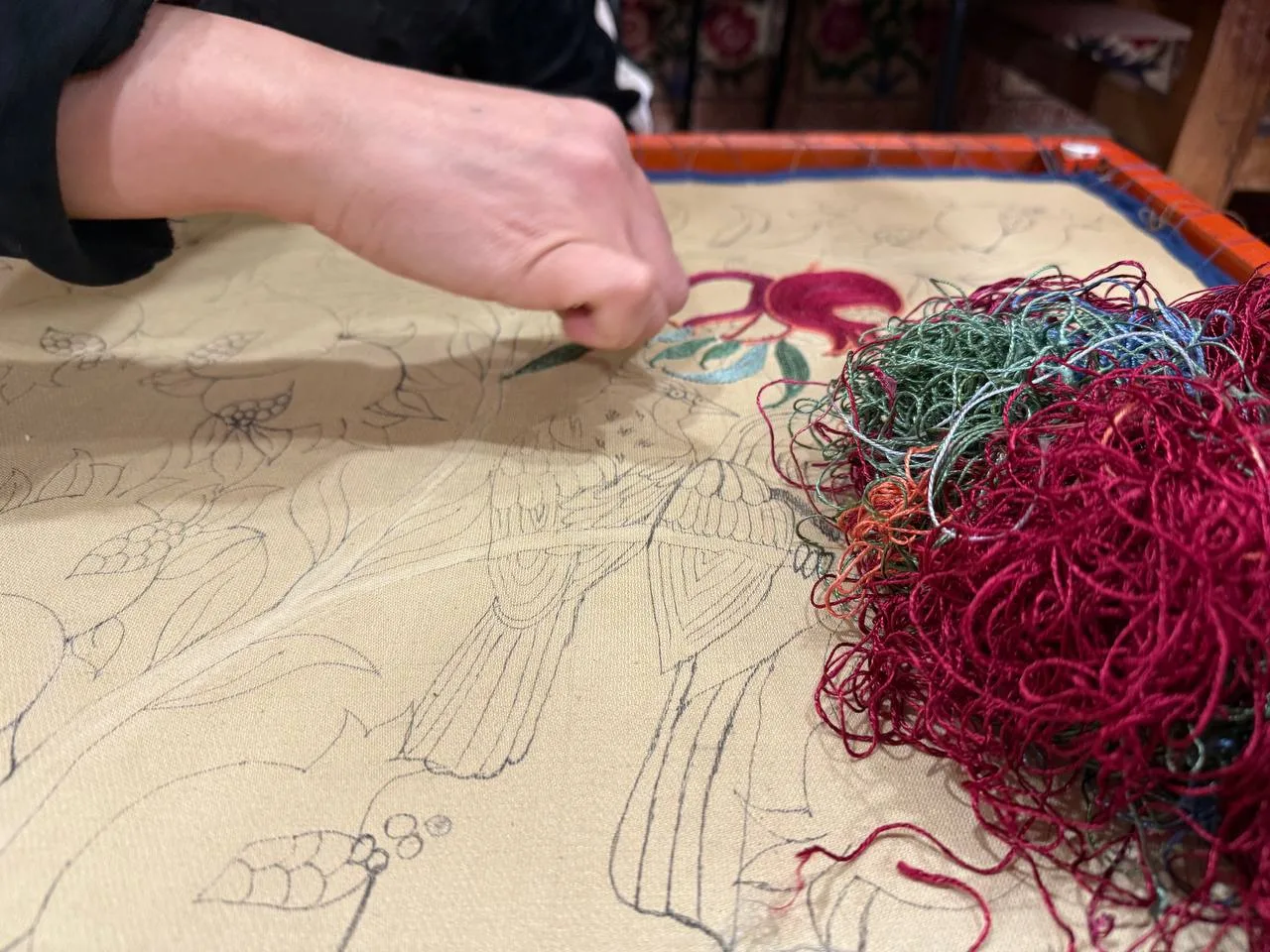
To, z czym technicznie łączy się kokandzka tradycja rękopiśmiennicza, to iluminacja - malowane obramowania i drobne figuratywne detale otaczające tekst kaligraficzny w luksusowych rękopisach. To rzemiosło wciąż jest praktykowane kilkaset kilometrów dalej, w Bucharze, gdzie dwa dni wcześniej wzięłam udział w innym warsztacie - praktycznej lekcji malarstwa miniaturowego z użyciem tych samych pigmentów mineralnych i cienkich pędzli, którymi niegdyś zdobiono obramowania kokandzkiego Koranu. Instruktor, pracujący w tradycji szkoły bucharskiej, a nie kokandzkiej, pokazał mi, że nałożenie jednego motywu liścia poprawnie wymaga czterech osobnych warstw pigmentu - szczegół, którego znaczenia bym nie zrozumiała, gdybym chwilę wcześniej nie stała nad tą stroną z plamą wodną.
Jak to naprawdę było odczuwać
Stojąc w muzeum, poczułam coś bliższego archeologii niż turystyce. Tutaj nie uczy się rzemiosła - tutaj patrzy się na jego pozostałości, a te dwa doświadczenia wywołują różne emocje. W Bucharze moja ręka zacisnęła się wokół pędzla już w dwudziestej minucie, a instruktor cztery razy poprawiał mój chwyt, zanim przestałam ściskać pędzel zbyt blisko oprawki. To była frustracja w produktywny sposób - frustracja początkującego, który uczy się czegoś rękami. W Kokandzie frustracja była inna: stanie za szkłem, bez możliwości dotknięcia strony, próba wyobrażenia sobie kąta pióra trzcinowego na podstawie fotografii dłoni skryby na starym diagramie muzealnym. To prawdziwe uczucie i warto nazwać je uczciwie, zamiast je upiększać.
Przewodnik muzealny, rodowity mieszkaniec Kokandu, który badał historię pałacu od lat, potrafił opisać recepturę atramentu - sadza, guma arabska, czasem skórka granatu dla szczególnej czerni - w bardziej technicznych szczegółach, niż się spodziewałam. To było najbliższe lekcji rzemiosła podczas całej wizyty, i była to dobra lekcja, po prostu nie praktyczna.
Dlaczego mała grupa ma znaczenie także tutaj
CraftNCulture prowadzi rozszerzenie po Dolinie Fergańskiej w małych grupach i miało to znaczenie w miejscu takim jak Kokand właśnie dlatego, że nie ma tam warsztatu, wokół którego trzeba organizować logistykę - byłam tylko ja, przewodnik i tyle czasu przed jedną gablotą, ile chciałam. W autobusowej wycieczce trzydziestoosobowej dostajesz cztery minuty w tej sali muzealnej, zanim grupa przechodzi na dziedziniec pałacowy. Ja dostałam prawie czterdzieści. To nie jest przewaga gościnności rzemieślniczej jako takiej - to przewaga badawcza i uważności, ale logika jest ta sama: mniej ludzi oznacza więcej przestrzeni, by naprawdę się przyjrzeć.
Z czym wyjechałam
Nie wyjechałam z Kokandu z przedmiotem, co jest dla mnie niezwykłe przyznać w tekście tego rodzaju. Wyjechałam z jaśniejszym, uczciwszym obrazem tego, czym obecnie naprawdę jest uzbecka tradycja kaligraficzna - częściowo zachowana w gablotach muzealnych, częściowo żywa w pokrewnych rzemiosłach, takich jak bucharskie malarstwo miniaturowe, a na razie nie jest czymś, czego można usiąść i nauczyć się bezpośrednio w Kokandzie. Jeśli szczególnie interesuje was islamska sztuka rękopiśmiennicza, najbliższą opcją jest warsztat malarstwa miniaturowego CraftNCulture w Bucharze, który dzieli pigmenty, technikę pędzla i rodowód z tym, co iluminowali kokandzcy skrybowie, a jeśli chcecie zobaczyć region, w którym leży Kokand, wycieczki po Dolinie Fergańskiej (jednodniowa z Taszkentu lub dwudniowa wersja "serce rzemiosła") poprowadzą was przez Riszton i Margilan po drodze, choć żadna z nich nie zahacza jeszcze o pałac w Kokandzie.
Wspomniane produkty CraftNCulture: Warsztat malarstwa miniaturowego i zanurzenia kulturowego w Bucharze (2 godz., od 75 USD) - najbliższy praktyczny odpowiednik kokandzkiej iluminacji rękopisów, dostępny do rezerwacji już teraz; wycieczki "Rzemiosło Doliny Fergańskiej" (jednodniowa z Taszkentu, 350 USD, lub dwudniowa wersja "serce rzemiosła", 450 USD) - dla podróżnych chcących zobaczyć szerszy region.
About the author
CraftnCulture
The CraftnCulture editorial team — Tashkent-based cultural tourism specialists covering Uzbekistan travel, artisan crafts, and Silk Road heritage.