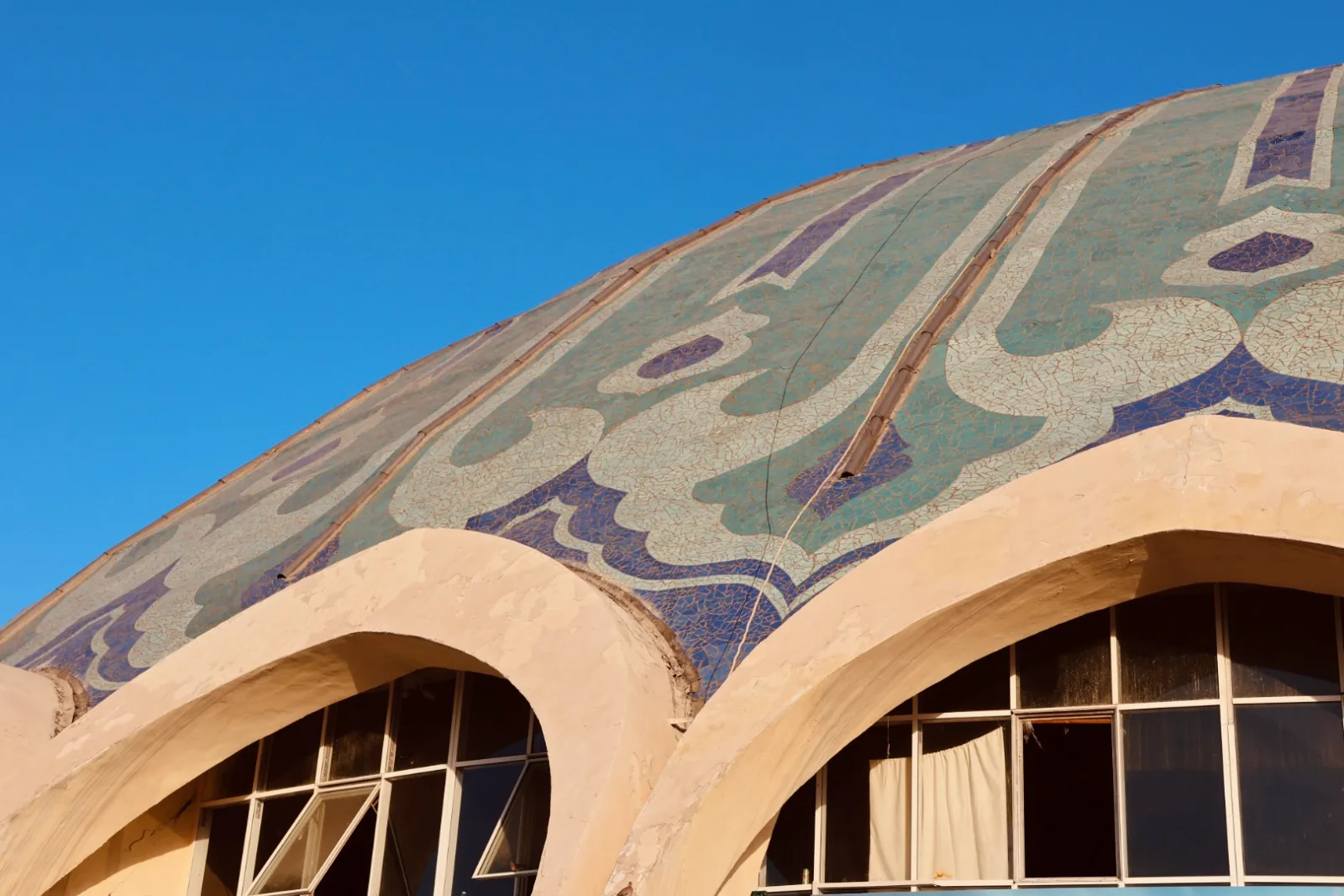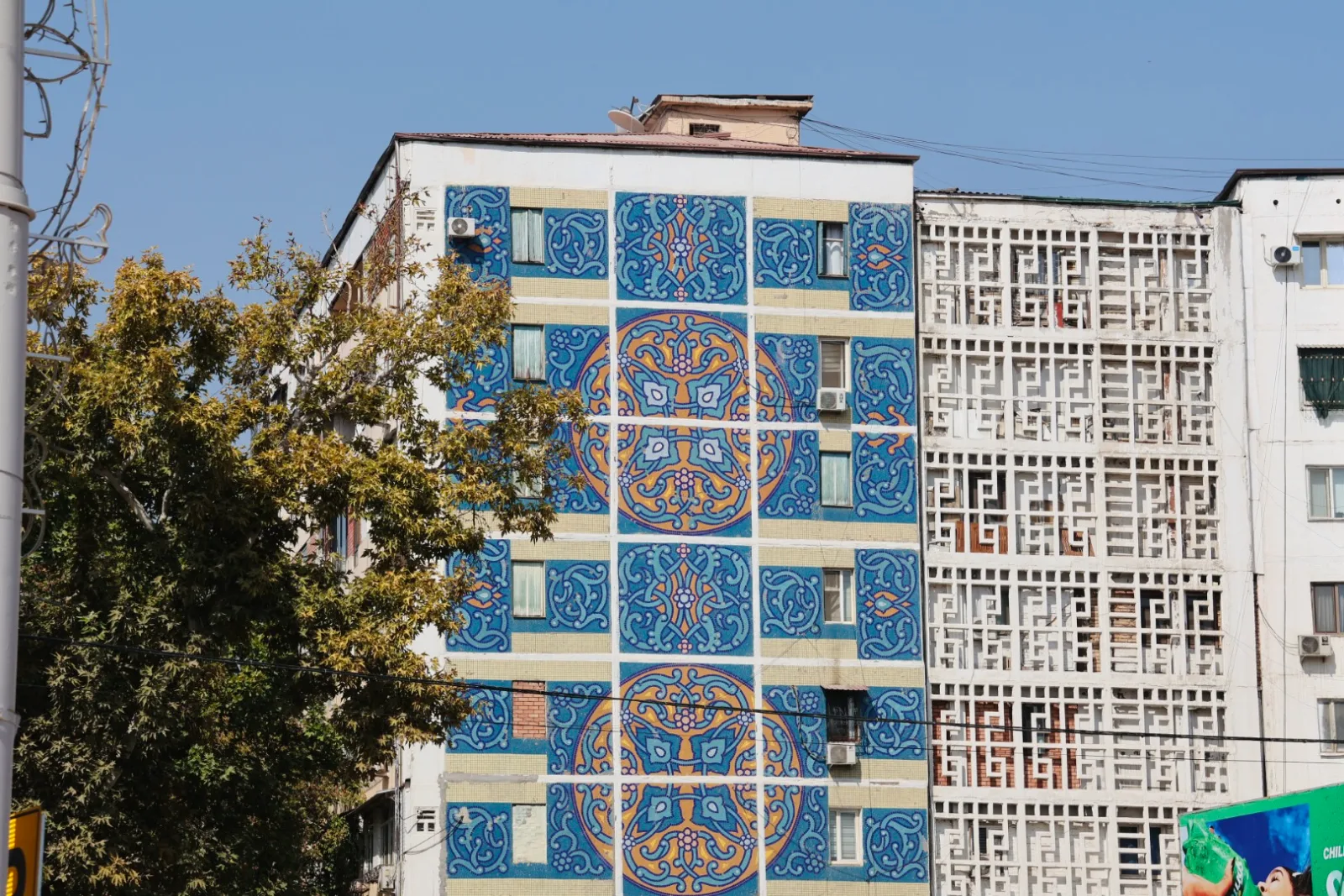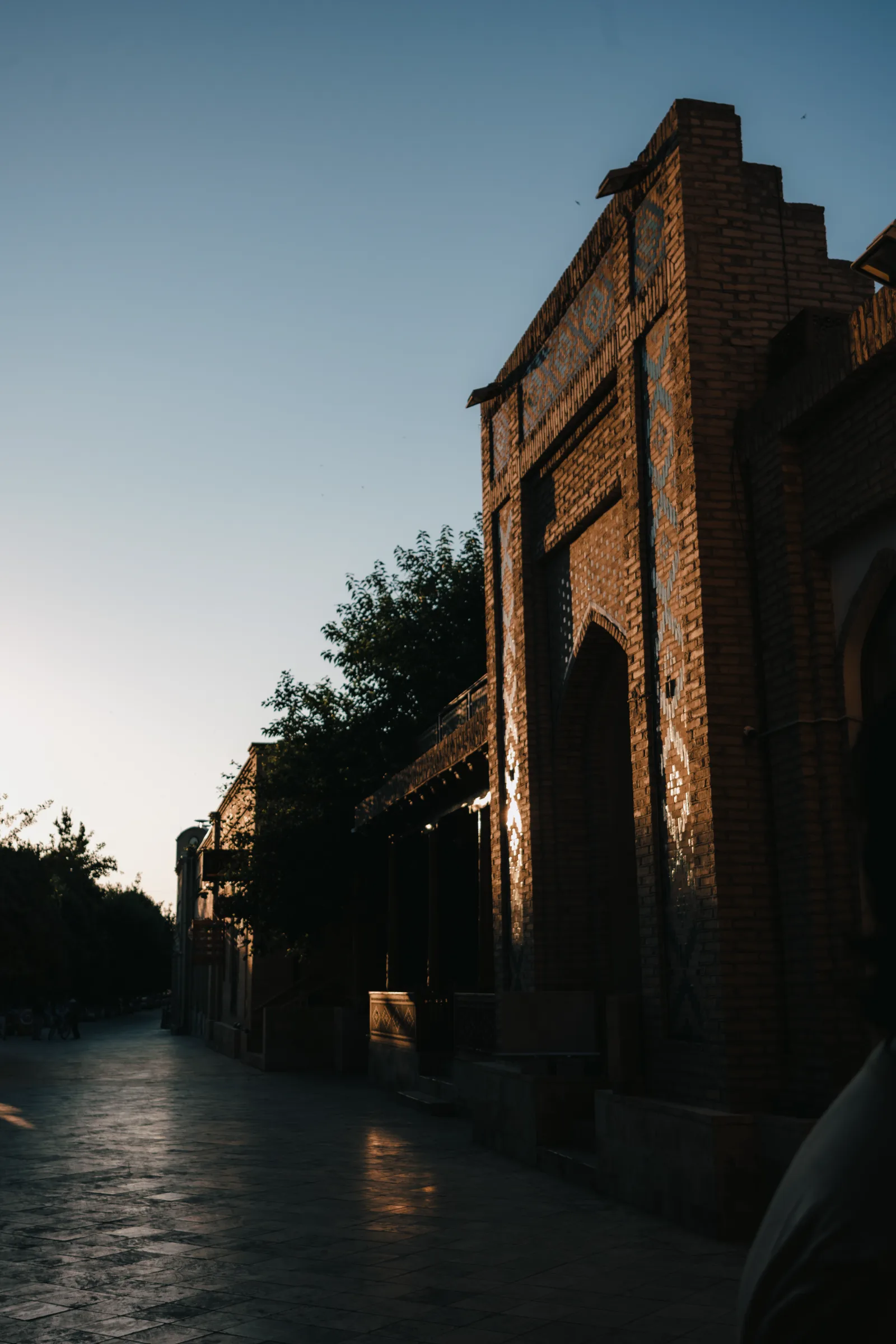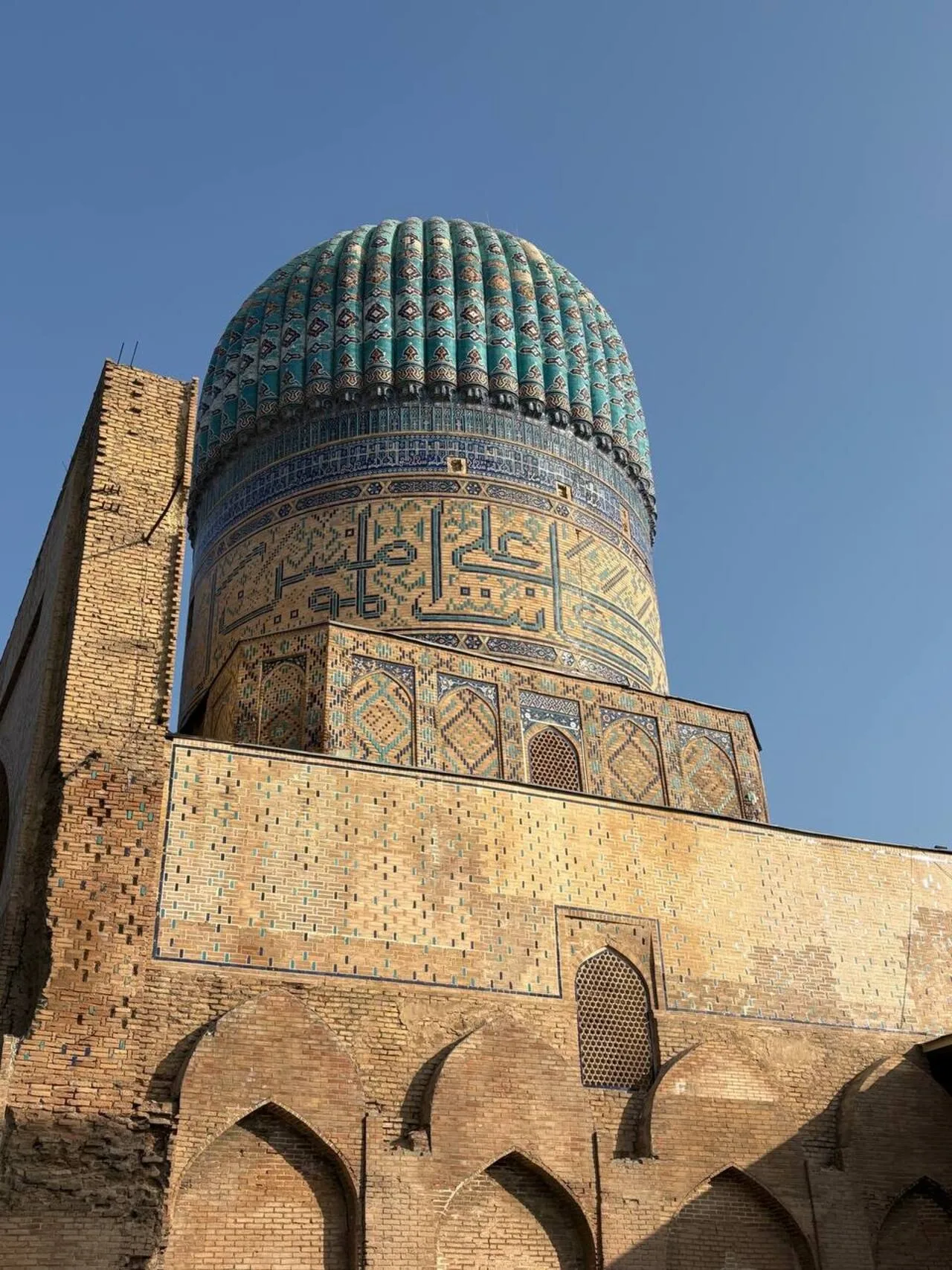
Встаньте перед Регистаном в Samarkand на закате — и вы поймёте то, что трудно выразить словами. Возвышающиеся порталы, кобальтово-бирюзовая изразцовая мозаика, каллиграфические ленты, уходящие к небу, — это тимуридская архитектура во всей её мощи. Рождённая в эпоху завоеваний и отточенная в одну из самых амбициозных эстетических программ исламского мира, она остаётся визуальной подписью золотого века Узбекистана.
Империя, что строила в синем
Тимур (Тамерлан) поднялся из степей Мавераннахра в конце XIV века и создал империю, простиравшуюся от Анатолии до границ Индии. Его военные походы были жестоки, но культурные амбиции — не менее велики. Он привозил лучших каменщиков, резчиков по дереву и мастеров изразца из каждого покорённого города — Дамаска, Шираза, Тебриза, Дели — и собирал их таланты в своей столице, Samarkand. Результатом стал синтез: персидские пропорции, хорасанский декор и центральноазиатская тяга к монументальному масштабу. Империя Тимура превратила архитектуру в пропаганду, а пропаганду — в красоту.
Признаки тимуридского архитектурного дизайна
Что делает здание «тимуридским», а не просто исламским? Несколько черт повторяются снова и снова в сохранившихся памятниках империи.
- Луковичные двухоболочечные купола, которые снаружи кажутся выше, чем выглядят изнутри
- Айваны — высокие нишеобразные входные арки, обрамляющие дворы
- Геометрическая и растительная изразцовая мозаика в кобальтово-синих, бирюзовых и белых тонах, часто в кирпичных узорах банна'и
- Сталактитовые своды мукарнас — потолки, похожие на пчелиные соты, ловящие свет под любым углом
- Монументальный масштаб, призванный поразить посетителя величием замысла заказчика
Эти элементы сложились в цельный язык исламского архитектурного дизайна, повлиявший на Великих Моголов в Индии, Сефевидов в Иране и даже османских зодчих на следующие два столетия.
Главные памятники Самарканда: Гур-Эмир и Регистан
Два места рассказывают эту историю яснее всего. Вместе они показывают, как тимуридская архитектура за поколение шагнула от камерного мавзолея к городскому театру.
Гур-Эмир — прототип
Мавзолей самого Тимура — место, где стиль кристаллизовался. Его рифлёный, дынеобразный купол, обрамлённый лазурными изразцами на высоком барабане, стал прообразом, который Великие Моголы позже переосмыслили в гробнице Хумаюна и Тадж-Махале. Внутри плиты тёмного нефрита отмечают место упокоения одного из самых значительных завоевателей в истории. Внутреннее золочение по-прежнему захватывает дух, а пропорции ощущаются удивительно современно.
В нескольких минутах ходьбы площадь Регистан принимает тот же визуальный язык и поднимает его до уровня городского театра. Три медресе обрамляют единую площадь, построенные в течение двух веков, но говорящие на одном диалекте. Медресе Улугбека (1420) — старейший учёный, с айваном, покрытым звёздчатыми изразцами. Шер-Дор (1636) нарушает исламский канон знаменитыми тиграми и солнцами с человеческими ликами. Тилля-Кори (1660) завершает ансамбль михрабом в сусальном золоте, сияющим как печь в полдень.
Биби-Ханым и космос Улугбека
Рядом с Сиабским базаром Samarkand возвышается руинированный остов мечети Биби-Ханым — каменное проявление амбиций Тимура. Он повелел сделать её крупнейшей мечетью исламского мира; здание начало рушиться ещё при его жизни. Но даже в руинах её масштаб останавливает на полушаге. Поблизости его внук Улугбек построил обсерваторию — здание-инструмент с сорокаметровым секстантом, врезанным в скалу. Тимуриды были не просто строителями. Они измеряли небеса.
В Шахрисабзе, на родине Тимура, разрушенные ворота дворца Ак-Сарай по-прежнему вздымаются почти на 40 метров; уцелевшие изразцы — среди лучших в империи.
Почему это важно сегодня
ЮНЕСКО внесла Samarkand, Bukhara и Шахрисабз в Список всемирного наследия во многом благодаря их тимуридским памятникам. Реставрационные работы продолжаются — большая часть изразцов была переложена со времён советских реставраций, — но основа подлинная. Для путешественников, дизайнеров и любителей истории искусства прогулка по этим пространствам — самое близкое к путешествию во времени, что может предложить архитектура.
Если вы хотите ощутить тимуридский дизайн за пределами фотографий, маршруты культурного наследия CraftnCulture по Samarkand и Шахрисабзу сочетают посещения памятников с мастерскими, где ремесленники до сих пор режут изразцовую мозаику так же, как мастера Тимура. Одно дело — любоваться куполом. Другое — наблюдать, как мастер складывает части, из которых он состоит.
Источники
About the author
CraftnCulture
The CraftnCulture editorial team — Tashkent-based cultural tourism specialists covering Uzbekistan travel, artisan crafts, and Silk Road heritage.