Samsa i wypieki Azji Środkowej: historia i przepisy
Cel SEO: "przepis na samsę" | Kategoria: Food
Pierwszy kęs poparzył podniebienie, a przecież mnie ostrzegano.
Przewodniczka powtórzyła dwa razy, zanim taca wyszła z tandoora: poczekaj, niech sok opadnie, nie gryź od razu środka. Ugryzłam od razu środek. Nadzienie prawdziwej taszkienckiej samsy z jagnięciny i cebuli konsystencją przypomina raczej bulion niż farsz, a trzyma się w środku wyłącznie dzięki warstwowemu ciastu i dobrej woli tego ciasta, by się nie rozpaść. U mnie spłynęło po brodzie.
Jak tam trafiłam
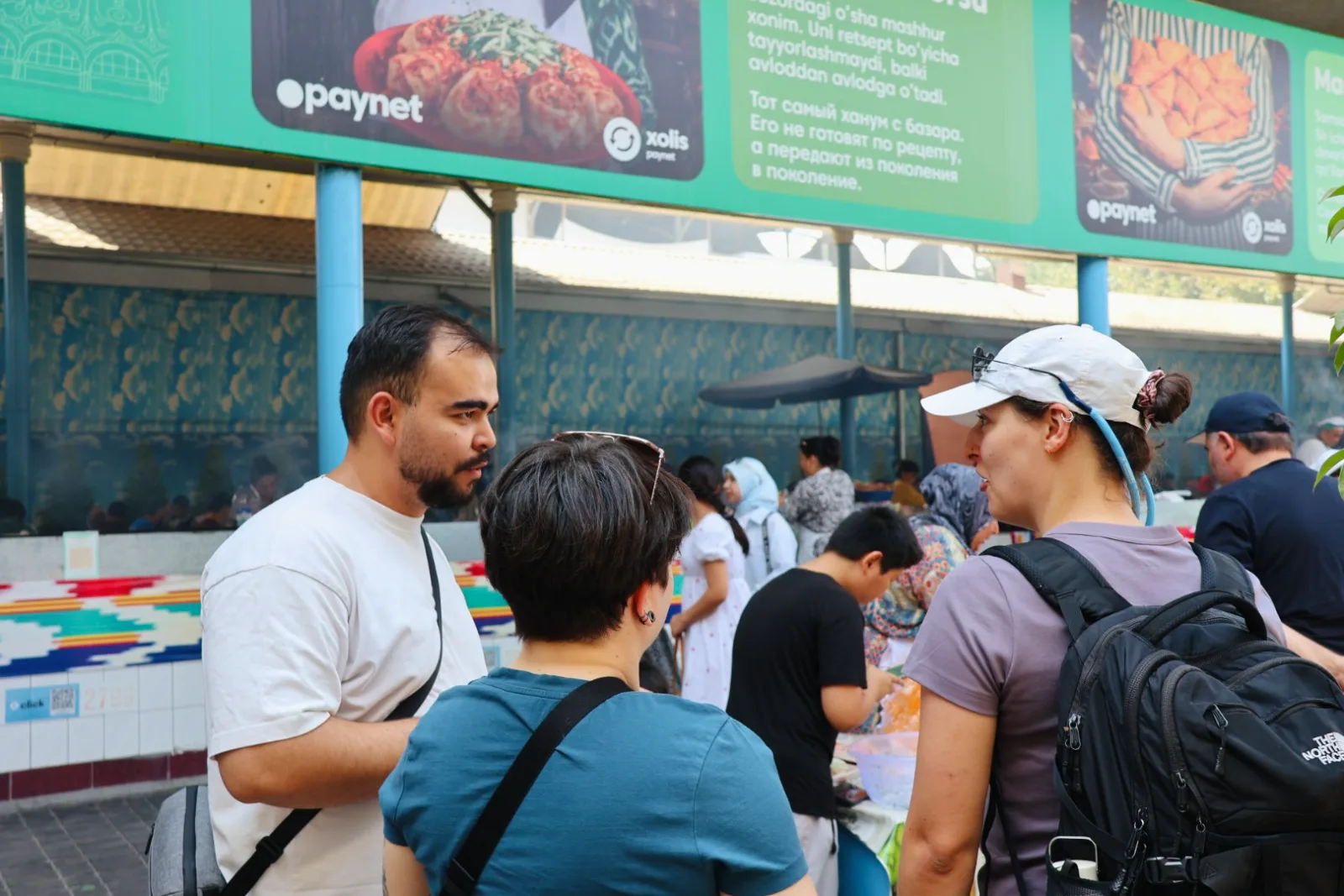
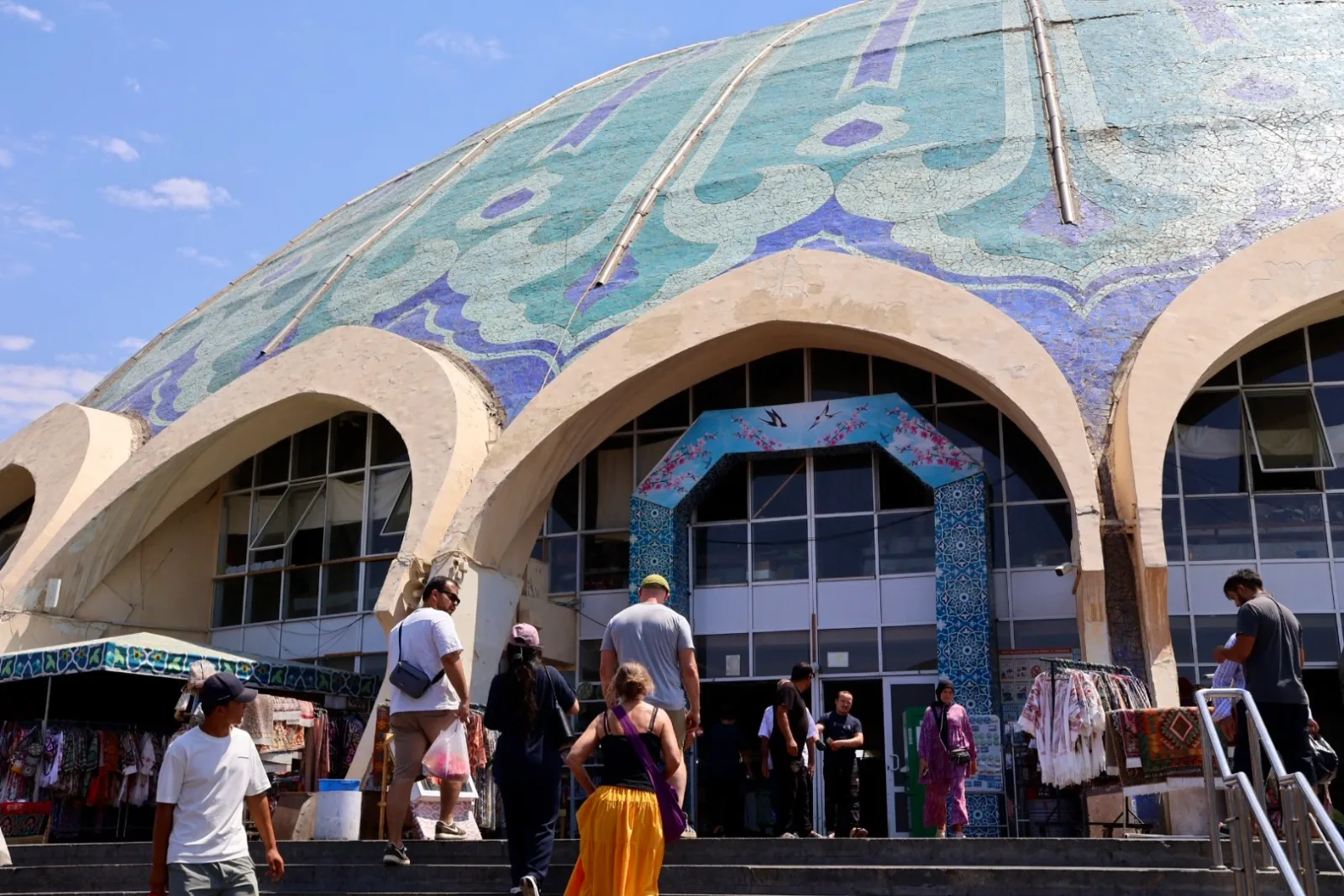
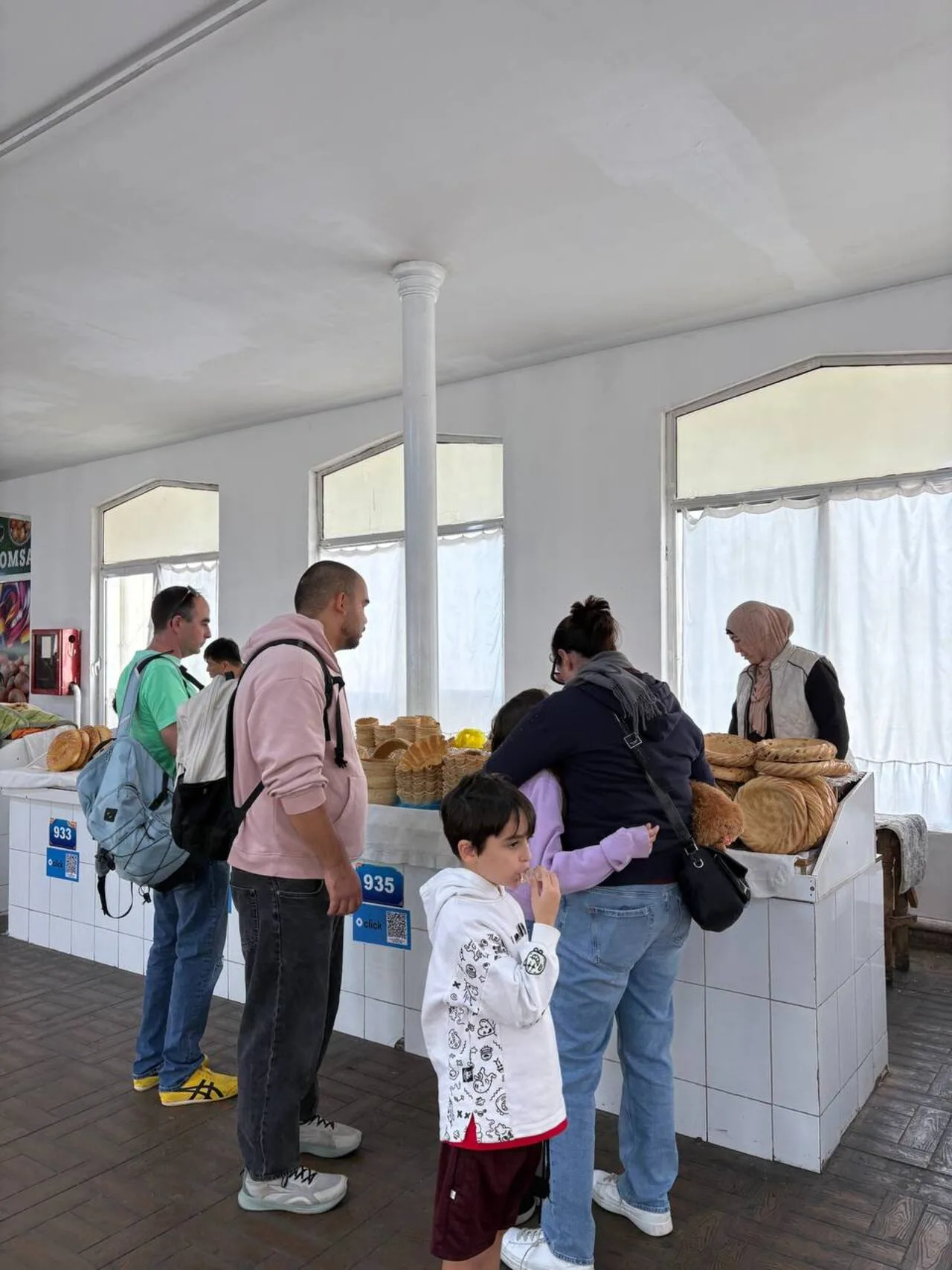
Przyjechałam na bazar Chorsu w Taszkencie w poszukiwaniu przepisu na samsę, który naprawdę dałoby się zabrać do domu, a nie wersji z laminowanej karty w hotelowej restauracji. Zamiast tego znalazłam Nodirę — kobietę pracującą przy opalanym drewnem tandoorze wbudowanym w ceglany piec, która robi samsę dokładnie tak, jak jej matka piętnaście lat temu. Nie odmierza ciasta. Zagniata, składa i przykleja każdy trójkąt do ścianki pieca na oko, i przywiera on tam, piekąc się pionowo, aż tłuszcz się wytopi, a skórka nabierze koloru mocnej herbaty.
Spodziewałam się, że samsa to prostsza kuzynka empanady albo kornwalijskiego pasztecika: ciasto, nadzienie, gotowe. Nie tak to działa. Warstwowanie to cała istota tego dania. Ciasto Nodiry składa się i wałkuje siedem razy z tłuszczem z ogona owczego między warstwami — ta sama zasada co w cieście francuskim, tyle że robiona ręcznie, bez przepisu i termometru, wyłącznie na wyczucie po dekadach praktyki.
Samo rzemiosło
Samsa jest rozpowszechniona w Azji Środkowej szerzej, niż spodziewa się większość przyjezdnych. W Uzbekistanie to zwykle jagnięcina, cebula i czarny kminek, pieczone pionowo w glinianym tandoorze. W Kotlinie Fergańskiej jesienią pojawia się samsa z dyni, lekko osłodzona, by zrównoważyć słoność ciasta. W niektórych regionach Kazachstanu i wśród społeczności ujgurskich spotyka się wersje smażone zamiast pieczonych w tandoorze — płaskie, gęstsze, bliższe smażonym pierożkom niż wypiekowi. To przypomnienie, że "samsa" to nie jedno danie, tylko wspólna technika, którą każdy region dostosował do własnych składników.
Sama nazwa wskazuje wstecz — większość historyków kuchni wywodzi samsę od perskiego sanbosag, przodka również samosy, który wędrował szlakami handlowymi Jedwabnego Szlaku na długo przed tym, jak oba dania przybrały dzisiejszą postać. Zmieniała się nie idea — ciasto owinięte wokół nadzienia, pieczone szybko i gorąco — lecz tłuszcz, piec i nadzienie, kształtowane przez to, co dawały lokalne stada i zbiory.
Jak to naprawdę wyglądało
Ugniatanie ciasta na samsę własnymi rękami to mniej pieczenie, a bardziej drobne, powtarzalne negocjacje z ciastem. Nodira pozwoliła mi samodzielnie zrobić partię, a moje pierwsze próby wyszły miejscami za grube, miejscami za cienkie — warstwy nie oddzielały się czysto podczas pieczenia, więc zamiast jej kruchej, łamliwej skórki wyszło mi coś bliższego chlebowi. Nie poprawiała mnie słowami. Zabierała ciasto, składała je jeszcze raz, oddawała z powrotem i pozwalała poczuć różnicę dłonią. To właśnie ta część, której nie przekaże żadna karta przepisu: ciasto samo podpowiada, czy tłuszcz jest równomiernie rozłożony, a nauczyć się to wyczuwać można tylko psując kilka partii wcześniej.
Nie będę udawać, że wyszłam stamtąd z realną umiejętnością. Warstwowanie na wyczucie zajmuje lata, nie popołudnie, i byłoby nieuczciwe twierdzić inaczej o tym, czego może nauczyć dwugodzinne zajęcie. To, co rzeczywiście wyniosłam, to znacznie lepsze zrozumienie, dlaczego samsa, którą jadłam cały tydzień w różnych straganach, za każdym razem smakowała inaczej — grubość ciasta, proporcja tłuszczu i żar pieca zmieniają wynik dużo bardziej niż sam przepis na nadzienie.
Dlaczego małe grupy mają znaczenie
Stragan Nodiry nie jest przystosowany do przyjmowania autokaru wycieczkowego. Przy jej małym stoliku obok tandooru zmieszczą się może cztery osoby naraz, a ona rozmawia podczas pracy, ale tylko wtedy, gdy nie musi jednocześnie panować nad tłumem. Kiedy CraftNCulture przywozi gości w ramach warsztatów kulinarnych i poznawania street foodu Taszkentu, grupa pozostaje na tyle mała, że może włożyć ciasto w ręce każdej osoby, zamiast tylko opowiadać z dystansu. Wcześniej tego ranka widziałam, jak przez stragan przeszła większa grupa — aparaty w górze, nikt niczego nie dotykał — i było to zupełnie inne doświadczenie niż to, które miałam godzinę później, stojąc przy jej ladzie z mąką na palcach.
Co zabrałam ze sobą
Dwie rzeczy: pojemnik z samsą z dyni, który nie przetrwał przejazdu taksówką do hotelu, oraz praktyczne zrozumienie tego, co odróżnia dobrą samsę od przeciętnej — tłuszcz, liczba złożeń, żar pieca, nic z tego nie widać w drukowanym przepisie, jeśli ktoś wcześniej tego nie pokaże. Od tamtej pory próbowałam odtworzyć warstwowanie w domu w zwykłym piekarniku — wychodzi blisko, ale domowy piekarnik nie odtworzy tego, co promieniujące ciepło glinianego tandooru robi z górną warstwą ciasta.
Jeśli planujesz wpleść w podróż temat wypieków Azji Środkowej albo przepis na samsę, pomiń wersję dla turystów przy dużych zabytkach i poszukaj piekarzy, którzy sami wciąż stoją przy piecu — bazar Chorsu albo osiedlowy stragan polecony przez gospodarzy. Kulinarne programy CraftNCulture w małych grupach w Taszkencie obejmują czas przy działających tandoorach, takich jak ten Nodiry, obok warsztatów gotowania płowu — dla podróżnych, którzy chcą usłyszeć technikę od osoby, która ją stosuje, a nie z laminowanej karty.
Zobacz kulinarne doświadczenia CraftNCulture w Taszkencie na craftnculture.uz →
CraftNCulture prowadzi kulturalne i kulinarne doświadczenia w małych grupach w Uzbekistanie, Kazachstanie i Kirgistanie.
About the author
CraftnCulture
The CraftnCulture editorial team — Tashkent-based cultural tourism specialists covering Uzbekistan travel, artisan crafts, and Silk Road heritage.