The Sour Bread and the Cloudy Jar: What Fermented Foods Actually Preserve in Uzbekistan
The bowl of qatiq sat in front of me at room temperature, which felt wrong. Every yogurt I'd trusted in my life had come cold, from a refrigerator, in a container with a printed expiration date. This one had been made two days earlier in a clay pot on a kitchen counter in Tashkent, and the woman who handed it to me watched my face for the reaction she already knew was coming — the sourness hits before the texture does.
How I Got Here
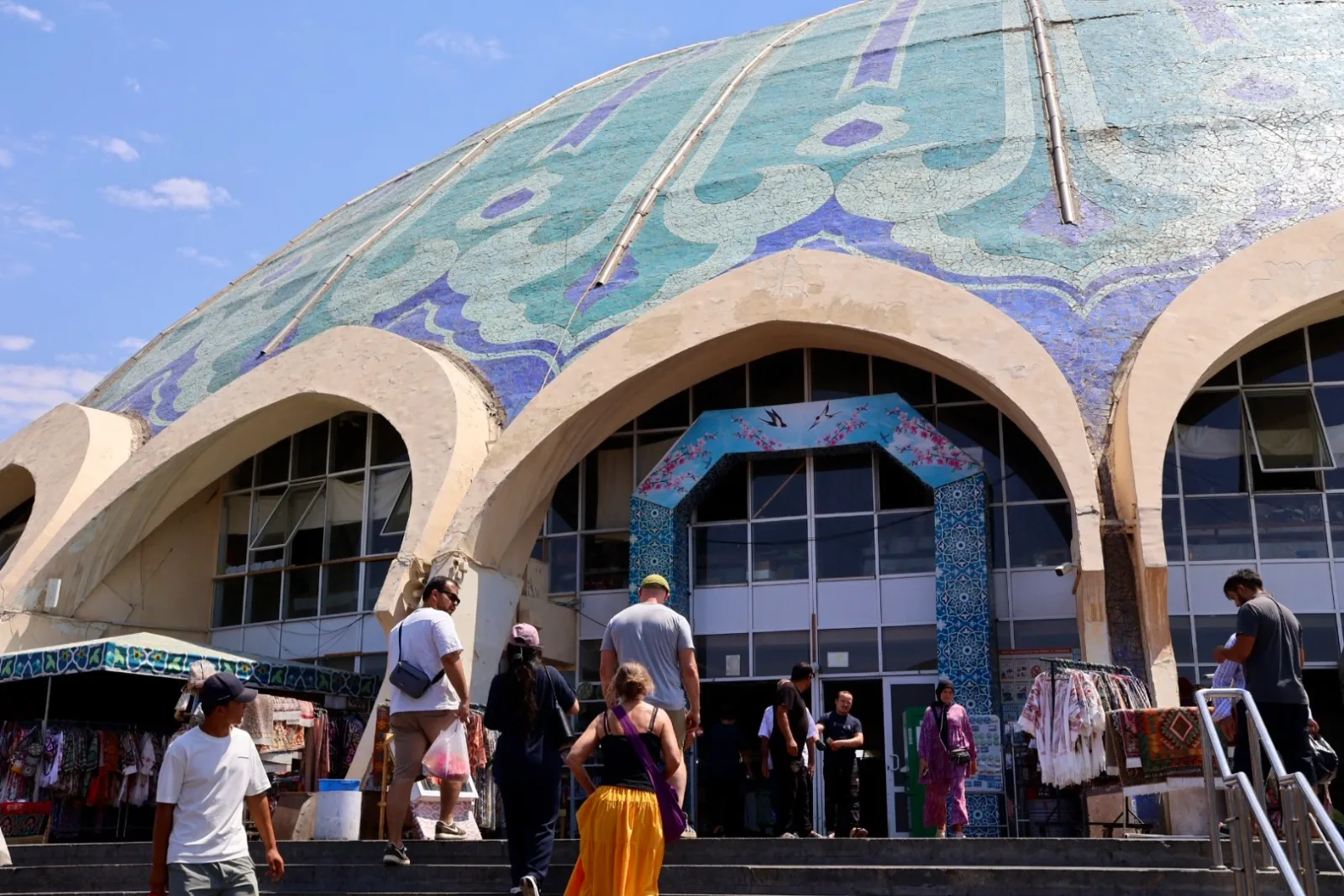
I'd booked into Tashkent's Chorsu Food Tour expecting bread, plov, maybe a spice market walk with someone explaining cumin varieties I'd forget by dinner. What I hadn't expected was how much of what we tasted over four hours was fermented — not as a novelty ingredient plated for effect, but as the baseline of how food gets kept edible in a country where summer heat used to make refrigeration a luxury most households didn't have until a generation or two ago. Fermented foods in Uzbekistan aren't a trend rediscovered by a health-conscious market. They're what people did because the alternative was food going bad.
That distinction matters more than it sounds like it should. A lot of what gets marketed elsewhere as "ancient fermentation wisdom" is retrofitted — a modern health claim bolted onto an old process. Here, the process came first, for reasons that had nothing to do with gut bacteria. The health angle is real, but it was never the point. Preservation was the point.
The Craft Itself
Qatiq is the starting point for almost everything else. It's a fermented milk, thicker and more sour than the yogurt most Western travelers know, made by letting raw milk sit with a live culture — often a spoonful saved from the last batch, passed down through a household rather than bought fresh each time. That inherited-culture detail is the part that stuck with me: some families are working with a bacterial lineage that's been alive in their kitchen for decades, not a packet bought at a store.
From qatiq comes suzma — qatiq strained through cloth until the whey drains off and what's left is a thick, almost cheese-like paste, sour enough to make you understand why it gets used sparingly, stirred into soups or spread thin on bread rather than eaten by the spoonful. Then there's chalop, a cold summer soup built on a qatiq base, thinned with water and packed with herbs and cucumber — the kind of dish that makes sense the moment you're standing in 40-degree heat in July and someone hands you a bowl of it.
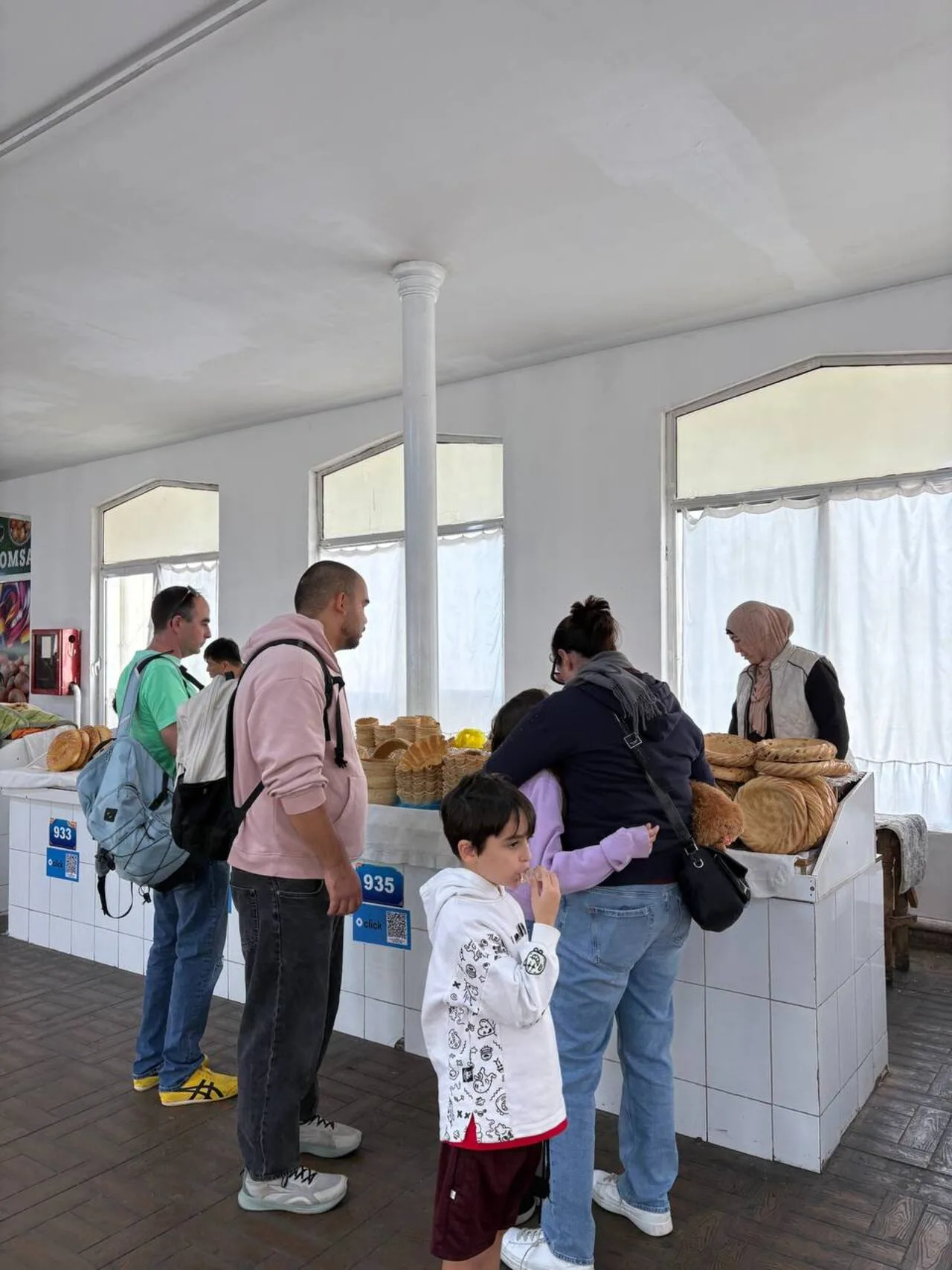
Bread fermentation runs on a parallel track. The non I ate at a bakery near Chorsu bazaar wasn't leavened with commercial yeast — the baker kept a starter going, fed daily, the same principle as a sourdough culture, just older and less fashionable about it. He didn't call it sourdough. He called it "the dough that's always working," which is a better description than the one I would have used.
What It Actually Felt Like
I'll admit the first spoonful of suzma was a genuine adjustment — sourer and denser than I'd braced for, with a tang that sat on the back of my tongue longer than plain yogurt ever does. The guide watched me try not to react and laughed, which felt fair. She told me most first-time tasters do the same thing: a small flinch, then a second bite that's better than the first because you know what's coming.
What surprised me wasn't the flavor adjustment — I've traveled enough to expect that part. It was how ordinary the fermentation process is treated by the people doing it. There's no ceremony, no explanation offered unprompted, because nobody in that kitchen thinks of it as a technique worth narrating. It's just what qatiq is, what non is, what gets made because it's Tuesday and the milk needs using before it turns on its own, uncontrolled. The controlled souring is the alternative to the uncontrolled kind. That's the whole logic, and once you hear it stated that plainly, the "wellness ritual" framing you see elsewhere starts to look a little thin.
I also noticed the smell before anything else — the bakery had that faint, yeasty sourness in the air that you get near any working starter, mixed with woodsmoke from the tandoor. It's not an unpleasant smell, but it's not the sanitized bread-aisle smell either. It smells like something alive.
Why the Small Group Size Mattered
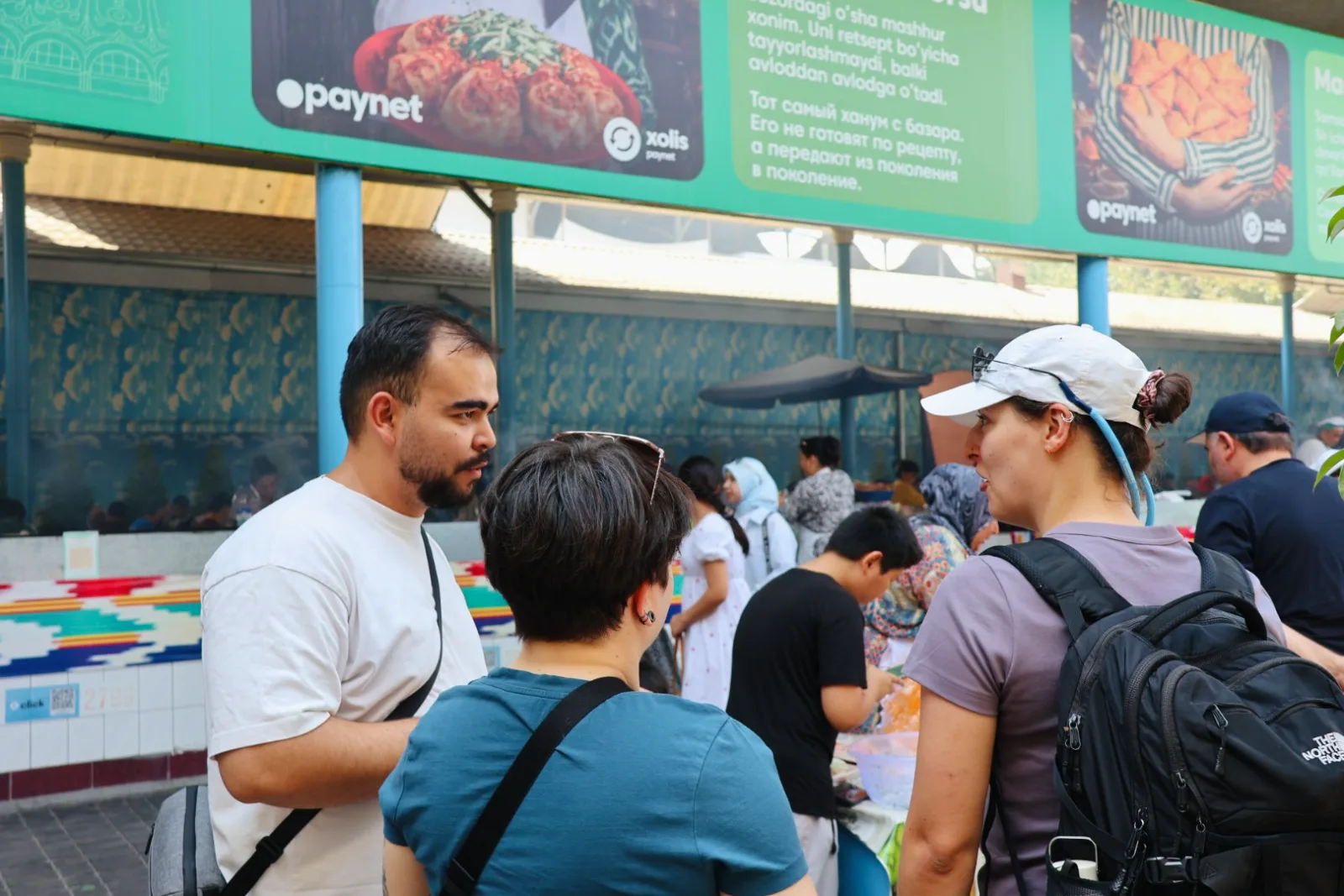
There were seven of us on the tour, and that number is the reason I got to taste suzma straight from the cloth it had been straining in, rather than a pre-portioned sample plated for a tour bus of thirty. The baker had time to explain, unhurried, why he'd fed the starter that morning instead of the night before (temperature, not tradition — the kitchen runs cooler overnight and the culture needs the extra hours). In a larger group, that kind of practical detail gets cut for time. In seven, there was room for a genuine question-and-answer, not a scripted stop.
What You Leave With
I didn't leave with an object the way I would from a ceramics or embroidery workshop — no scarf, no bowl. What I left with was closer to recalibration: an understanding that "fermented" in Uzbek cooking isn't a flavor category, it's a preservation infrastructure that predates refrigeration and still runs in parallel with it, because a lot of people here still think qatiq made at home tastes better than anything from a store shelf, and after tasting both, I don't think they're being sentimental about it.
The sourness stayed with me longer than I expected, the specific tang of suzma showing up again in memory days later when I ordered plain yogurt back home and found it flat by comparison. That's not a claim that homemade is always better — plenty of traditional food gets romanticized past what it deserves. But this one held up.
This tasting happened as part of CraftNCulture's Chorsu Food Tour in Tashkent, and travelers wanting a longer version — more stops, more fermented dairy, an actual metro ride between them — can book the 4-Hour Food Tour & Metro Journey instead. If you want to work the fermentation angle with your hands rather than just your palate, the closest hands-on adjacency is the Bread Baking Workshop in Samarkand, where the starter-feeding logic behind non gets explained stitch by stitch rather than tasted in passing.
Tour: Chorsu Food Tour, Tashkent — $65, 2 hours, small group Extended version: 4-Hour Food Tour & Metro Journey — $85, small group Related craft: Traditional Bread Baking Workshop, Samarkand — $65, 2 hours
About the author
CraftnCulture
The CraftnCulture editorial team — Tashkent-based cultural tourism specialists covering Uzbekistan travel, artisan crafts, and Silk Road heritage.