Polityka pilawu: co narodowa potrawa Uzbekistanu naprawdę mówi o regionalnej tożsamości
Słowa kluczowe: pilaw, tożsamość narodowa, symbolika kulturowa | ~1000 słów
Sprzeczka zaczęła się o ryż.
Nie o to, jak go gotować — o to, czyja wersja jest właściwa. Stałem na weselu pod Samarkandą z talerzem, którym można by nakarmić trzy osoby, gdy mężczyzna po sześćdziesiątce nachylił się do mnie i ostrożną angielszczyzną powiedział, że to, co jem, „nie jest prawdziwym pilawem". Nie chciał obrazić gospodarzy. Mówił mniej więcej tak, jak mieszkaniec Neapolu mógłby wypowiedzieć się o pizzy zrobionej w Rzymie.
Nie spodziewałem się, że danie z ryżu może mieć swoją politykę. Myliłem się — okazało się to jasne już następnego dnia.
Jak się tu znalazłem
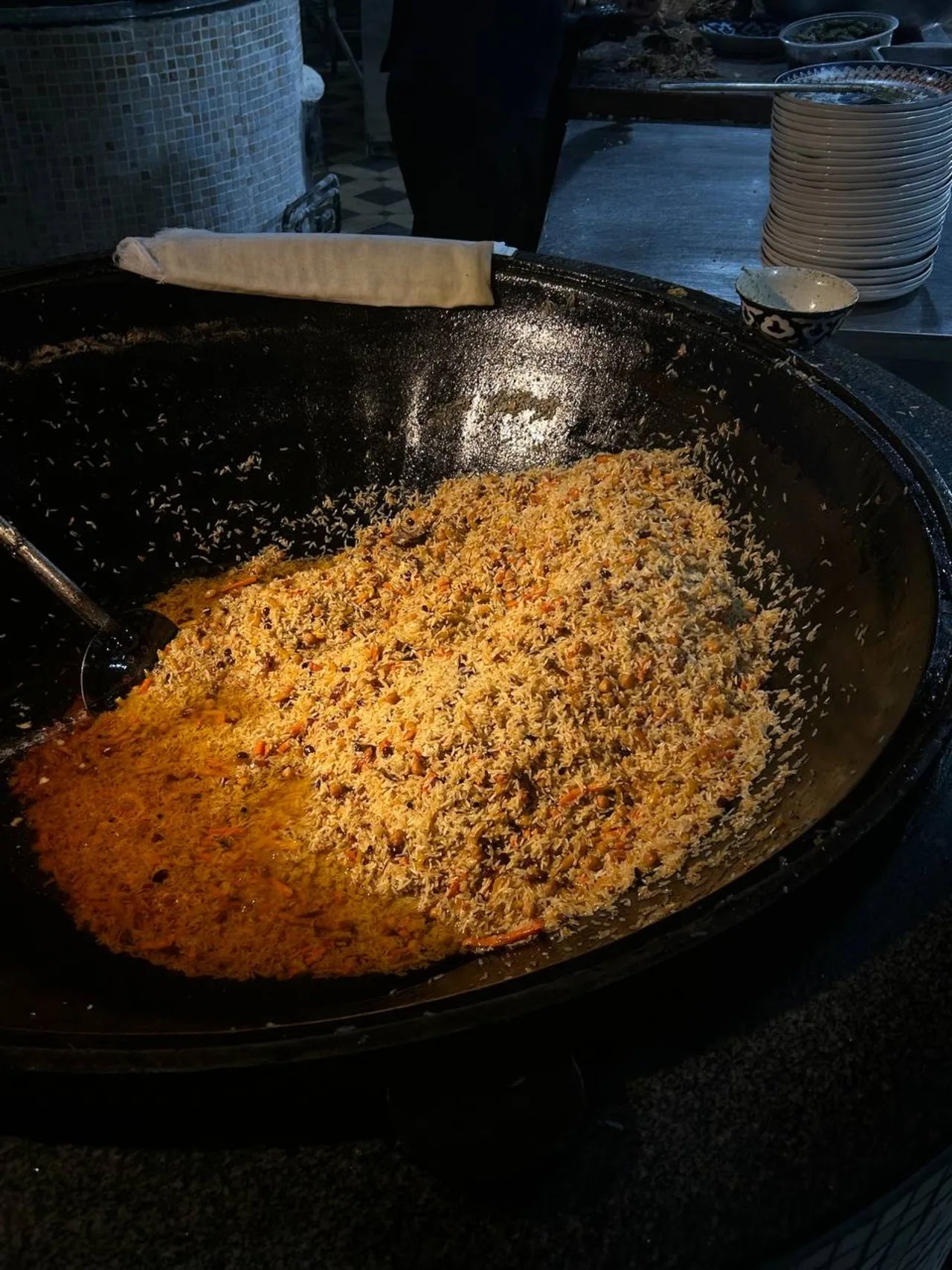
Dołączyłem do niewielkiej grupy kulturowej CraftNCulture, której trasa wiodła przez Taszkent, Samarkandę i Bucharę, i gdzieś po drodze zauważyłem, że to samo słowo wymawiano różnym tonem. O pilawie taszkenckim mówiono z jakąś obywatelską dumą, niemal urzędowo — to danie stolicy, gotowane w ogromnych kotłach w dedykowanych „centrach pilawu", które otwierają się przed świtem i wyprzedają wszystko do dziesiątej. O pilawie samarkandzkim mówiono ze wzruszeniem ramion i deklaracją wyższości, zwykle w związku z bardziej uczciwą proporcją ryżu do mięsa. Gdy dotarliśmy do Buchary, jeden z kucharzy wprost powiedział mi, że oba miasta „gotują teraz dla turystów", a prawdziwy pilaw dzieje się w domach, nie w restauracjach.
Myślałem, że zapisałem się po to, żeby dobrze zjeść. Skończyło się na tym, że znalazłem się w środku cichej regionalnej rywalizacji, której nikt wcześniej mi nie wyjaśnił, bo dla Uzbeków nie wymaga ona wyjaśnienia. Wszyscy już wiedzą, że pilaw nie jest neutralny.
Dlaczego danie z ryżu niesie taki ciężar
Skład pilawu niemal się nie zmienia z regionu na region — ryż, mięso, marchew, cebula, olej, czasem ciecierzyca, rodzynki lub pigwa w zależności od pory roku i rodziny kucharza. Zmieniają się metoda, proporcje i okazja, a właśnie te drobne różnice niosą niewspółmiernie dużo symboliki kulturowej. Pilaw taszkencki skłania się ku żółtej marchewce i lżejszej ręce do oleju. Pilaw samarkandzki często gotuje się warstwowo, ryż parowany osobno od mięsa i warzyw, a nie razem, i podaje odwrócony, tak by mięso znalazło się na wierzchu. Buchara zgłasza pretensje do własnej wersji — więcej oleju i cięższa ręka do kminu rzymskiego.
Nigdzie nie jest to spisane oficjalnie. Sprzecza się o to tak, jak o regionalne style grillowania albo o to, czyja wersja dania, które gotowała też twoja babcia, jest „właściwa". Danie działa jak swego rodzaju jadalny spis powszechny — częstując kogoś pilawem, mówisz mu, chcąc czy nie, z jakiego jesteś regionu i w jakich tradycjach zostałeś wychowany.
Jest też warstwa obywatelska. Pilaw podaje się na weselach, stypach, obrzezaniach i piątkowych wspólnych posiłkach, gdzie mężczyźni z sąsiedztwa na zmianę gotują kocioł dla wszystkich. To nie jest w pierwszej kolejności jedzenie restauracyjne. To jedzenie-obowiązek, danie, które gotuje się, gdy wspólnota potrzebuje nakarmić wiele osób naraz, a odziedziczony przepis mówi ludziom, skąd jesteś, zanim jeszcze wypowiesz słowo.
Jak to naprawdę było — siedzieć w środku tego sporu
Przyznam, że trzeciego dnia ta rywalizacja zaczęła mnie nużyć. Każdy kucharz miał własną teorię i każda teoria z pełnym przekonaniem zaprzeczała poprzedniej. Zapytałem naszego przewodnika, rodowitego taszkenckiego mieszkańca, która wersja jest naprawdę najlepsza, spodziewając się dyplomacji. Odpowiedział natychmiast — samarkandzka — po czym wyglądał na lekko zawstydzonego, jakby złamał niepisaną zasadę obywatelskiej lojalności.
To, co zmieniło moje zdanie, to nie był jeden posiłek — to widok starszej kobiety w bucharskim domu, która ręcznie porcjowała pilaw, oddając największy, najbardziej tłusty kawałek mięsa najstarszemu gościowi przy stole bez pytania — gest, który zauważyli wszyscy poza mną. Regionalna duma okazała się najmniej interesującą warstwą. Ciekawsze było obserwowanie, jak danie w czasie rzeczywistym utrzymuje porządek społeczny — kogo obsługuje się pierwszego, kto dostaje najlepszy kawałek, kto gotował, a kto był z tego obowiązku zwolniony.
Nadal nie potrafię z pewnością uszeregować tych trzech wersji. Nie jestem pewien, czy od cudzoziemca w ogóle się tego oczekuje.
Dlaczego robienie tego w małej grupie miało znaczenie
Było nas siedmioro, co oznaczało, że jedliśmy w domach i małych rodzinnych kuchniach, a nie w salach bankietowych zaprojektowanych na pięćdziesiąt osób. W większej grupie turystycznej dostaje się pilaw turystyczny — kompetentny, spójny, pozbawiony sporu. W grupie na tyle małej, by usiąść przy prawdziwym stole, wciąga się cię w spór, chcesz tego czy nie, bo ludzie, którzy cię karmią, mają zdanie i wystarczająco dużo miejsca przy stole, by się nim podzielić.
Tu ma to większe znaczenie niż przy większości rzemiosł. Pilaw nie jest ukryty w warsztacie, jak ceramika czy hafciarstwo — można go zamówić wszędzie. Czego nie można zamówić, to kontekst, a ten pojawia się tylko tam, gdzie jest miejsce przy stole na prawdziwą rozmowę, a nie wyreżyserowaną.
Co ze sobą zabrałem
Szczerze mówiąc, nie przepis — poprosiłem o niego i dostałem trzy sprzeczne odpowiedzi od trzech kucharzy w trzech miastach, co wydało mi się całkiem trafnym wynikiem. Zabrałem ze sobą zrozumienie, że najbardziej codzienna potrawa danego kraju może nieść więcej tożsamości niż jego zabytki, i że regionalna duma nie jest tu odgrywana dla gości. Sprzecza się o nią w domu, na weselach, nad kotłami, które nie mają nic wspólnego z turystyką.
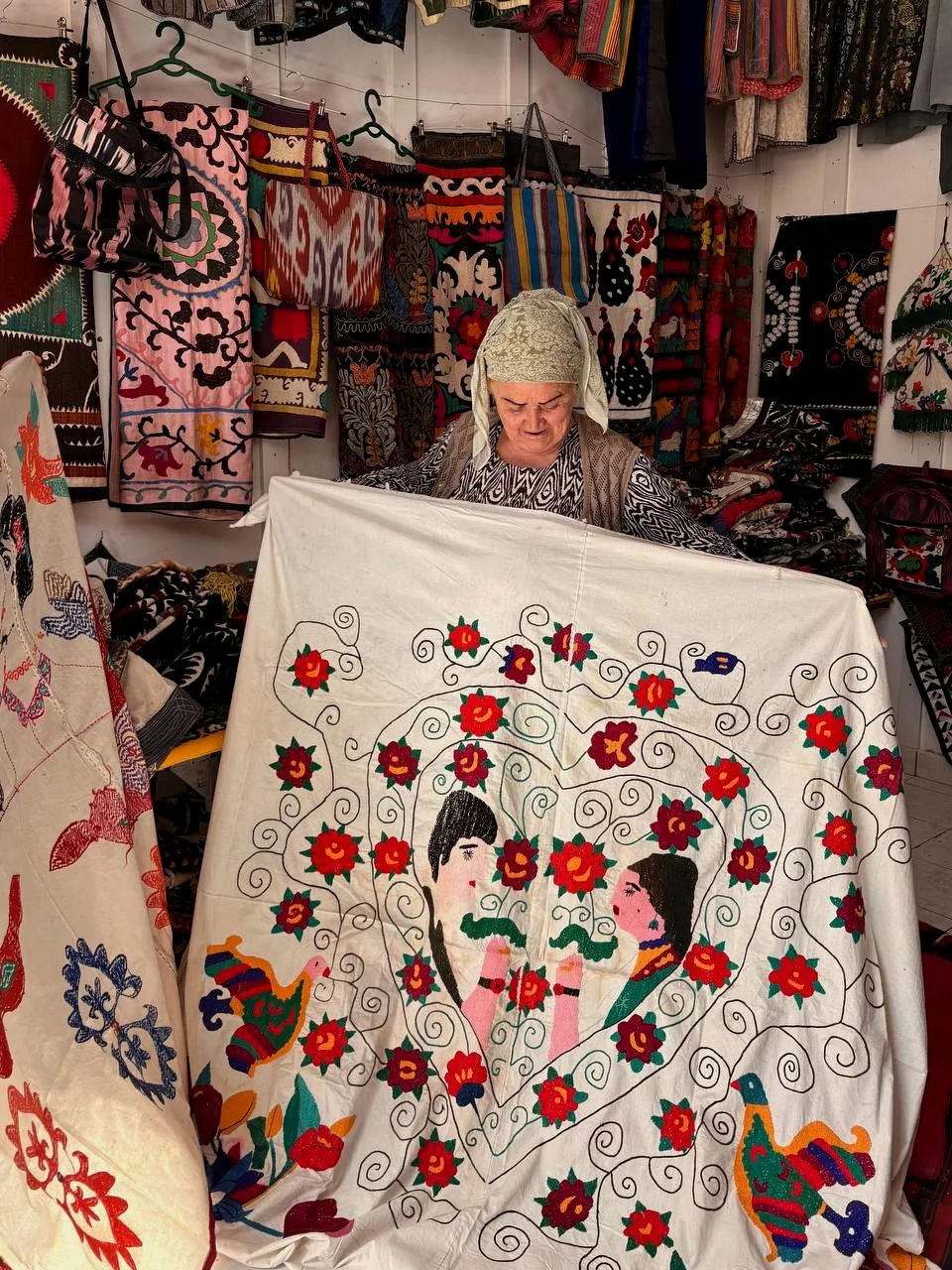
Niewielkie kulturowe wycieczki CraftNCulture przez Taszkent, Samarkandę i Bucharę obejmują pilaw właśnie w takim kontekście — domowe kuchnie i wspólnotowe kotły, a nie inscenizowane pokazy, obok spotkań z ceramikami, hafciarkami i innymi pracującymi rzemieślnikami. Grupy celowo liczą poniżej dziesięciu osób.
Aktualne trasy dla małych grup na craftnculture.uz →
CraftNCulture prowadzi niewielkie kulturowe wycieczki rzemieślnicze po Uzbekistanie.
About the author
CraftnCulture
The CraftnCulture editorial team — Tashkent-based cultural tourism specialists covering Uzbekistan travel, artisan crafts, and Silk Road heritage.