Pola bawełny, o których nikt nie mówi
Autobus z Samarkandy trzęsł się przez cztery godziny przez pola, których początkowo nie mogłam rozpoznać. Nie pszenica. Nie ryż. Bawełna. Nieskończona biel na brązowej ziemi, bez żadnej grupy turystycznej w zasięgu wzroku.
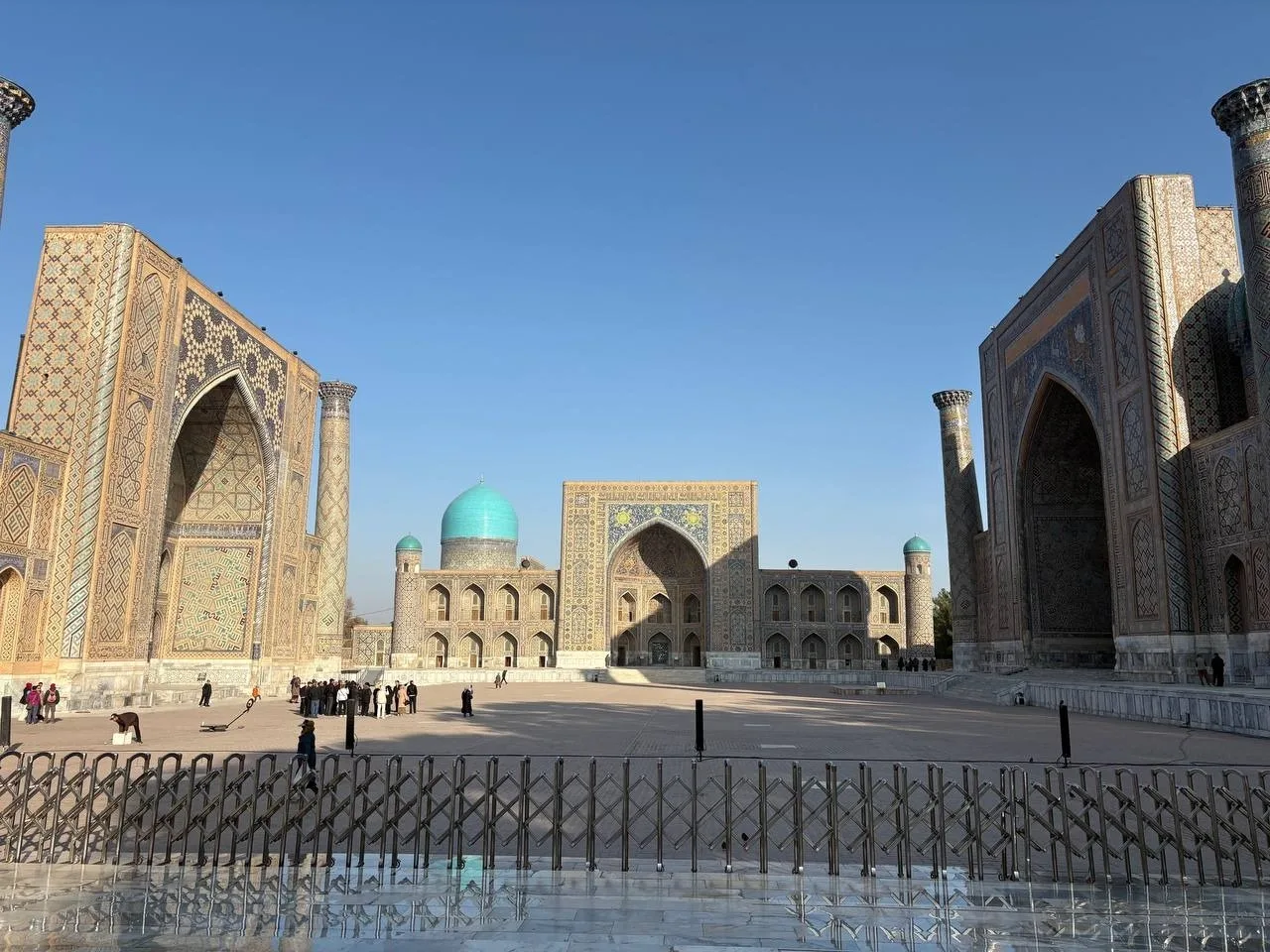
Trafiłam do prowincji Kaszkadarya przypadkiem - nieudane połączenie w Karshi przekształciło się w trzy dni, których nie planowałam. Żadnych obiektów UNESCO tutaj. Żadnych niebieskich kopuł, które widziałeś na Instagramie. Po prostu kraj bawełny i ludzie, którzy zbudowali swoje życie wokół niej.
Prowincja Kaszkadarya rzadko pojawia się w przewodnikach turystycznych. Jest wspominana jako punkt tranzytowy między Samarkandą a Termez, lub jako "region uprawy bawełny" w raportach ekonomicznych. Czego raporty nie mówią: bawełna tutaj to nie tylko rolnictwo. To fundament przetrwałej gospodarki rzemieślniczej, którą większość wycieczek całkowicie pomija.
Jak się tu znalazłam
10-dniowa wyprawa CraftNCulture przez mniej znane regiony Uzbekistanu spędza dwie noce w Karshi, stolicy prowincji, właśnie dlatego, że większość wycieczek tego nie robi. Program obiecywał społeczności rzemieślnicze nietknięte infrastrukturą turystyczną - maksymalnie ośmiu podróżników, bez występów, bez pokazów.
Zapisałam się sceptycznie. "Nietknięty" zwykle oznacza "niedostępny" lub "rozczarowujący". Ale rozmiar grupy miał znaczenie: w autobusie na czterdzieści osób fotografujesz rzemieślników. W grupie ośmiu siedzisz z nimi.
Samo rzemiosło
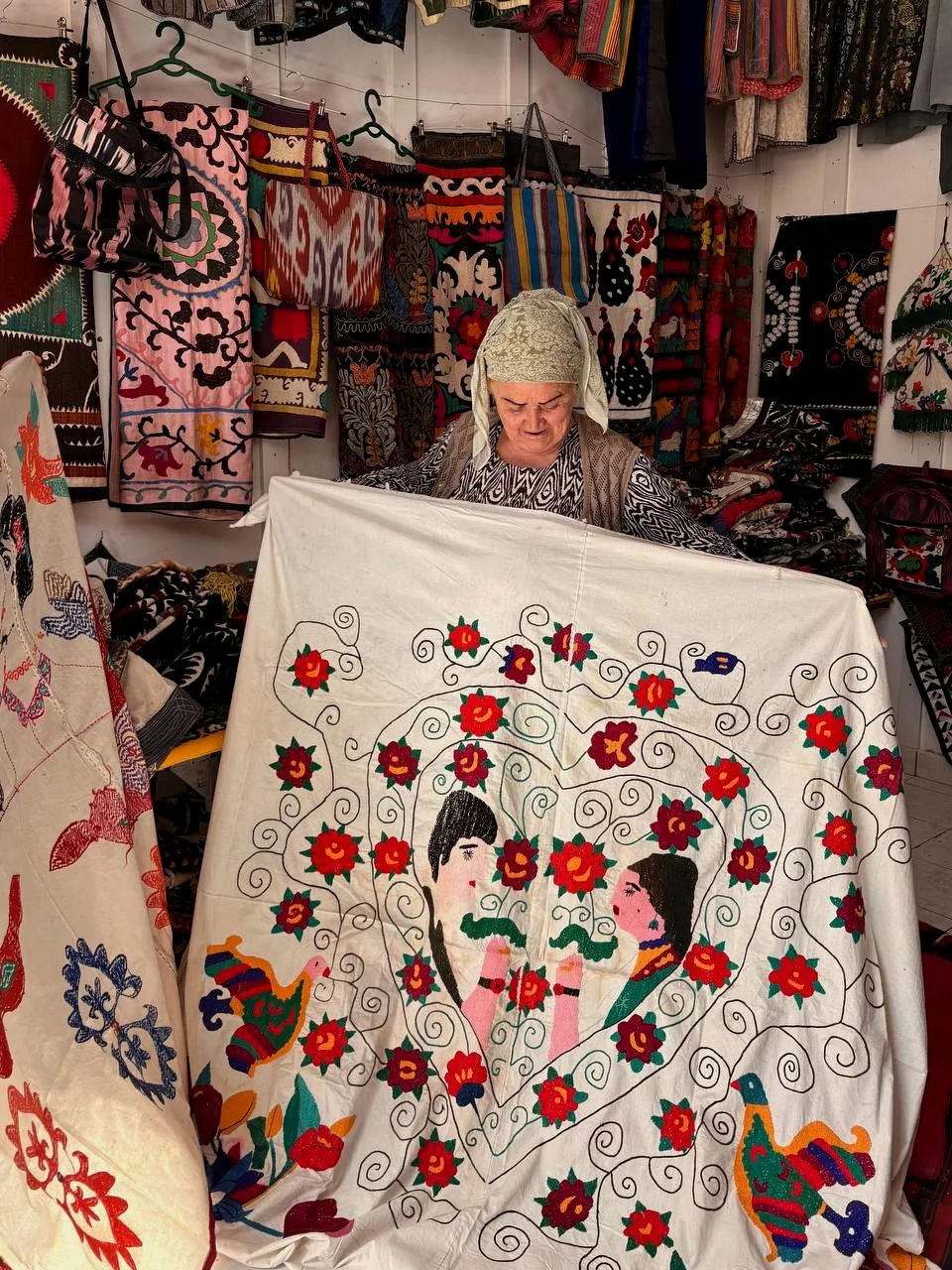
Gospodarka rzemieślnicza Kaszkadaryi nie jest oddzielona od bawełny - jest na niej zbudowana. Warsztaty tekstylne w Guzar i Kitab nie importują nici. Przędą je same, od surowego włókna do gotowej suzani w tym samym podwórzu.
Mahbuba, haftarka w trzecim pokoleniu z Kitab, przeprowadziła mnie przez cały swój łańcuch dostaw w dwadzieścia minut. Bawełna pochodziła z farmy jej brata, czterdzieści kilometrów na południe. Naturalne barwniki - łupina orzecha włoskiego, skórka granatu, indygo - pochodziły z ogrodu jej sąsiadki. Rama, na którą naciągnęła tkaninę, była z cedru, ściętego przez jej męża.
To nie jest romantyczny prymitywizm. To rzeczywistość ekonomiczna w regionie, gdzie logistyka łańcucha dostaw wciąż faworyzuje lokalne nad importowane. Nie przewozisz syntetycznych nici, gdy twój kuzyn uprawia surowiec.
Co naprawdę czułam
Warsztat nie był malowniczy. Betonowa podłoga, lampy fluorescencyjne, uporczywy zapach chemicznych barwników mieszający się z kurzem surowej bawełny. Ręce Mahbuby były ciemnobrązowe do nadgarstków - orzech nie zmywa się łatwo, powiedziała i zaśmiała się, gdy zapytałam, czy jej to przeszkadza. Dlaczego miałoby przeszkadzać? Plamy oznaczają, że pracuje.
Nie nauczyła mnie haftu w dwie godziny. Nauczyła mnie nawlekać igłę bawełnianą nicią grubszą niż wszystko, czego wcześniej używałam, i wiązać węzeł, który nie ześlizgnie się przy naciągnięciu. Nić zaczepiała się o modzele, o których nie wiedziałam. Udało mi się cztery ściegi. Były krzywe.
Poprawiła napięcie pierwszego bez słowa - po prostu wyciągnęła rękę i pociągnęła nić mocniej, potem gestem pokazała, żebym kontynuowała. Drugi ścieg sama naciągnęłam za mocno. Trzeci był lepszy. Czwarty znów wyglądał jak pierwszy.
Co zostało ze mną, to nie suzani (dokończyła ją sama po moim wyjeździe i wysłała do mojego hotelu w Taszkencie). To było jej rzeczowe wyjaśnienie, dlaczego wciąż to robi: gospodarka bawełniana tutaj zawaliła się po rozpadzie Związku Radzieckiego, ale umiejętności nie. Ludzie nadal robili nici, farbowali je, haftowali, ponieważ wiedza była już wbudowana w ich ręce, nie w żaden rynek. Teraz turystyka napływa powoli i ona znów uczy - nie dlatego, że to dobrze płaci, ale dlatego, że ktoś wreszcie chce się uczyć.
Dlaczego małe grupy mają znaczenie
W grupie dwudziestu osób obserwowałabym demonstrację Mahbuby przez dziesięć minut, kupiła coś z jej stołu i poszła dalej. W grupie ośmiu zostałyśmy trzy godziny. Pokazała nam cały proces - czesanie, przędzenie, farbowanie, haftowanie - i opowiedziała o piętnastoletniej przerwie, kiedy nikt nie kupował suzani, a ona pracowała w zakładzie przetwórstwa bawełny.
Wiedza żyje w przerwach między demonstracją a rozmową. Nie dostajesz tych przerw w dużych grupach.
Dlaczego Kaszkadarya, a nie Samarkanda
Rzemieślnicy Samarkandy to profesjonaliści. Są dobrzy w tym, co robią, i przyzwyczajeni do turystów. Rzemieślnicy Kaszkadaryi to osoby, które przetrwały. Utrzymali swoje rzemiosła przy życiu przez krach ekonomiczny, nie dlatego, że było to opłacalne, ale dlatego, że to było to, co znali.
Różnica pokazuje się w tym, jak uczą. Warsztaty w Samarkandzie są wypolerowane, efektywne, zaprojektowane dla grup. Warsztaty w Kaszkadaryi to czyjeś rzeczywiste miejsce pracy, a ty siedzisz tam, gdzie zwykle siedzą oni. Rzemiosło jest to samo. Kontekst nie.
Z czym wychodzisz
Wyszłam z suzani, której nie skończyłam, cztery krzywe ściegi widoczne w rogu, którego Mahbuba nie rozpruła. Mogła je przerobić - zajęłoby jej to trzydzieści sekund - ale zostawiła je celowo. "Żebyś pamiętała," powiedziała. Pamiętam.
Wyszłam z palcami poplamionymi orzechem, które blaknęły przez tydzień, i dziwnym bólem mięśni między kciukiem a palcem wskazującym od utrzymywania napięcia nici przez trzy godziny. Wyszłam z konkretnym wspomnieniem ciężaru bawełnianej nici między palcami, grubszej i bardziej szorstkiej niż oczekiwałam, zupełnie niepodobnej do cienkiej nici do haftu, której wcześniej używałam.
Wyszłam z chęcią powrotu, nie żeby zobaczyć więcej, ale żeby znów usiąść z Mahbubą i nauczyć się następnego kroku, na który nie miałam czasu. Nie dlatego, że doświadczenie było romantyczne. Ponieważ wiedza była prawdziwa, a ona była gotowa się nią dzielić, a dwie godziny to było za mało.
10-dniowa wycieczka CraftNCulture po mniej znanych regionach odbywa się od kwietnia do października, $1,890 USD, maksymalnie ośmiu podróżników. Dwie noce w Karshi, warsztaty w Guzar i Kitab, bez występów. Rezerwuj na craftnculture.uz.
About the author
CraftnCulture
The CraftnCulture editorial team — Tashkent-based cultural tourism specialists covering Uzbekistan travel, artisan crafts, and Silk Road heritage.