Uzbek Metalwork Workshops in Tashkent: Learn Coppersmithing from Master Craftsmen
The first time I watched a master coppersmith work, I held my breath.
Not because the workshop was quiet—it wasn't. The hammer strikes echoed off the stone walls of the old bazaar workshop, a rhythmic language that's been spoken here for centuries. Not because the work looked difficult—it does, but that's not why I stopped breathing.
It was the moment when a flat sheet of copper, dull and unremarkable, became alive. The craftsman—ustoz, we call him—bent it, heated it, coaxed it with practiced hands into curves and details that seemed impossible. His apprentice watched from the corner, seeing the same movements his father had shown him, that his grandfather had shown before. The metal sang under the hammer. And I understood, in that moment, that this isn't craft. This is conversation between hands and metal that goes back nine hundred years.
We want you to have that same moment. That's why we're telling you everything you need to know about Uzbek metalwork workshops and coppersmithing experiences right here in Tashkent.
What Is Uzbek Metalwork, Really?
When people talk about Uzbek metalwork, they're usually thinking of one thing: the intricate copper and brass vessels, the hammered jewelry, the detailed platters that somehow catch light like they're glowing from inside. But that's looking at the finished product. The actual craft is something deeper.
Uzbek metalwork—particularly coppersmithing—is a form of storytelling. Each hammer strike places detail intentionally. The patterns you see on a traditional samovar (the ornate tea urn that sits in nearly every Uzbek home) or a decorative plate aren't random flourishes. They represent centuries of regional variation, family technique, and cultural identity.
Where to Find Uzbek Metalwork Workshops in Tashkent
The Old City Bazaar Workshops
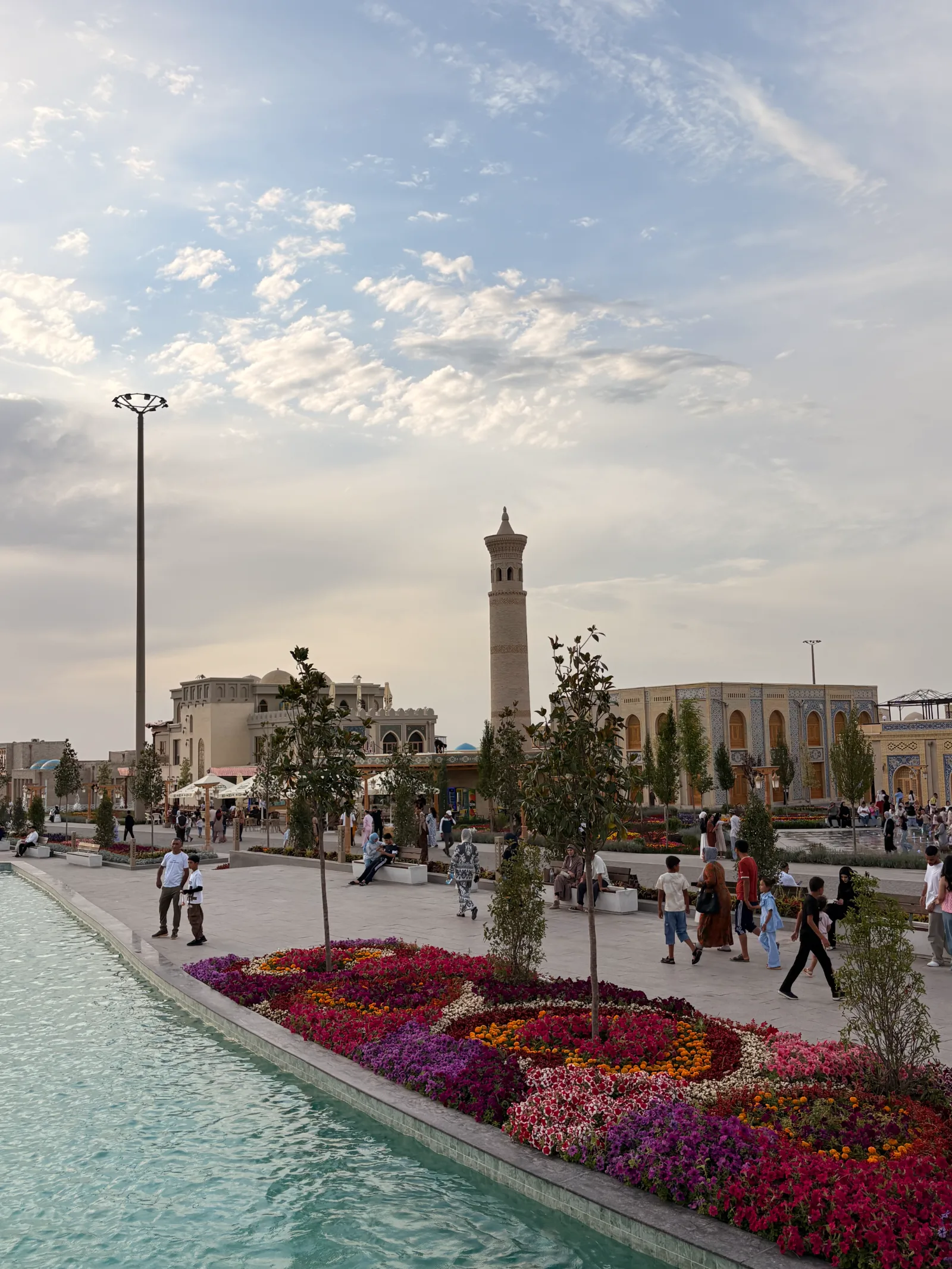
If you want to experience metalwork in its natural habitat, you head to the old bazaar quarter near Chorsu Market. This is where the real work happens.
The workshops here are often tucked into narrow passages and side streets. These aren't tourist setups with polished display cases. You'll see apprentices heating copper over coal fires, finished pieces stacked on shelves, metal dust on every surface. A basic 2-3 hour workshop session typically costs $20-35 USD.
The Craft Centers and Established Studios
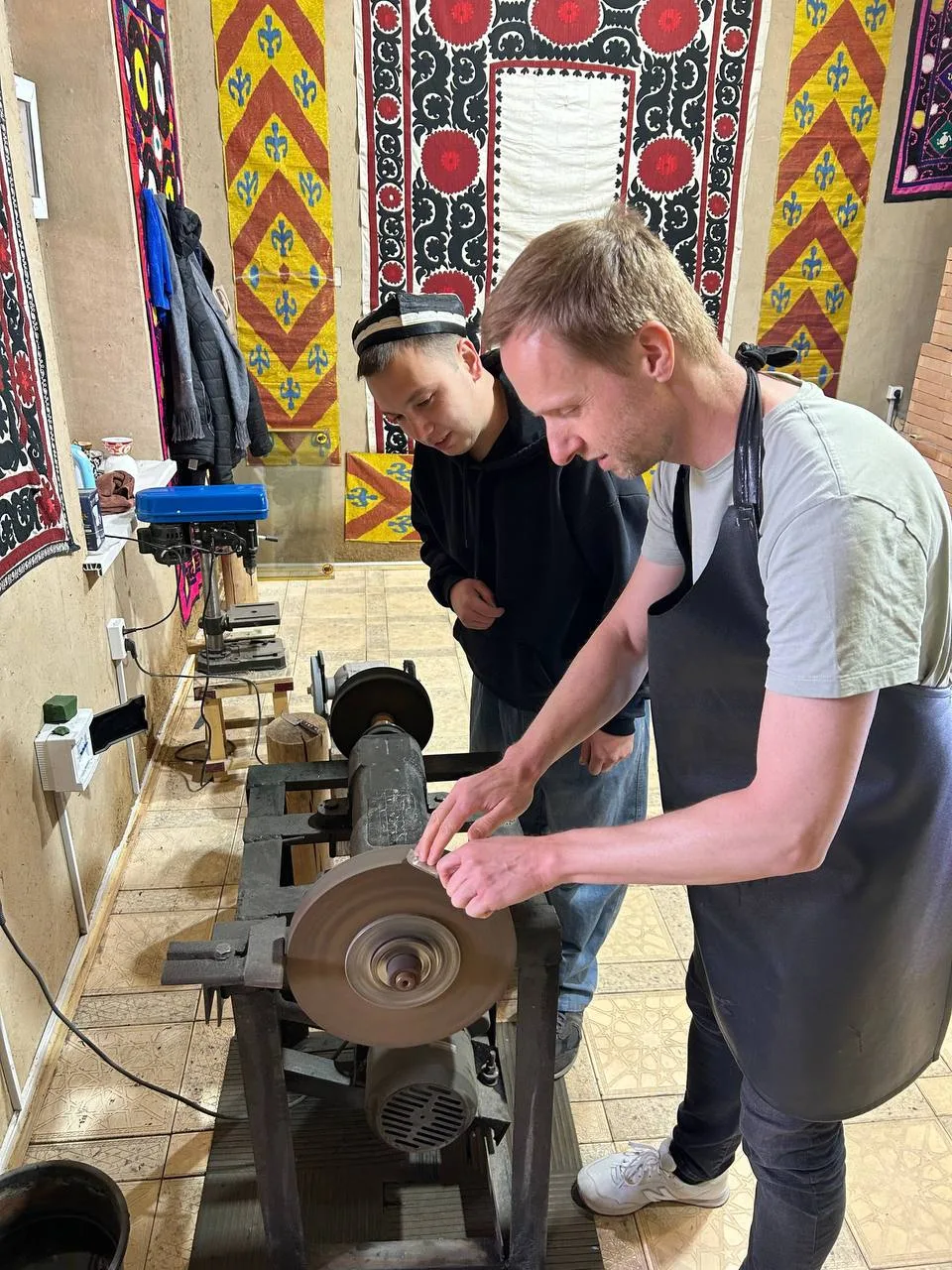
For a more structured experience, several dedicated craft centers now offer regular Uzbek metalwork classes. Private craft studios in the Chilanzar and Yunusabad districts typically charge $40-80 USD for a 3-hour session with English-speaking instructors and groups of 2-4 people.
What Actually Happens in an Uzbek Metalwork Workshop?
If this is your first time, expect to start with copper—it's softer, more forgiving, and teaches you the fundamentals without frustration.
The ustoz will show you how to hold the hammer (it's not how you think—the motion comes from your wrist and elbow, not your shoulder). Then comes the actual project:
- Heat the copper until it glows (around 700°C)
- Begin shaping using the hammer and a stake
- Reheat as needed because copper hardens as you work it (annealing)
- Add details using chasing tools to create patterns
- Finish by smoothing and polishing
The Cultural Context: Why This Craft Matters
Coppersmithing in Uzbekistan goes back to the Islamic Golden Age. Timurid emperors employed master craftsmen and demanded increasingly sophisticated work. Even through Russian Empire and Soviet industrialization, Uzbek families kept teaching their children. Because the work is too beautiful to let die. Because this is who we are.
When you book a workshop, you're supporting the continuation of something irreplaceable. The money goes directly to the craftsman and his family.
Practical Details
Best Time: Spring (April-May) and fall (September-October). Workshops operate year-round but summer is hot.
What to Bring: Closed-toe shoes, long sleeves, water bottle. Don't bring valuables.
Cost Breakdown:
- Street bazaar drop-in: $20-35 (2-3 hours)
- Museum workshop: $15-25 (1.5-2 hours)
- Private studio: $40-80 (3 hours)
- Curated experience with guide: $70-120 (4 hours)
Language: Most ustozs don't speak English. Learn salom (hello), rahmat (thank you), mehnatkash (craftsman).
Ready to feel the hammer in your hand? Explore our metalwork workshops and let us connect you with Tashkent's master coppersmiths. No experience needed—just curiosity and respect for the craft.
About the author
CraftnCulture
The CraftnCulture editorial team — Tashkent-based cultural tourism specialists covering Uzbekistan travel, artisan crafts, and Silk Road heritage.