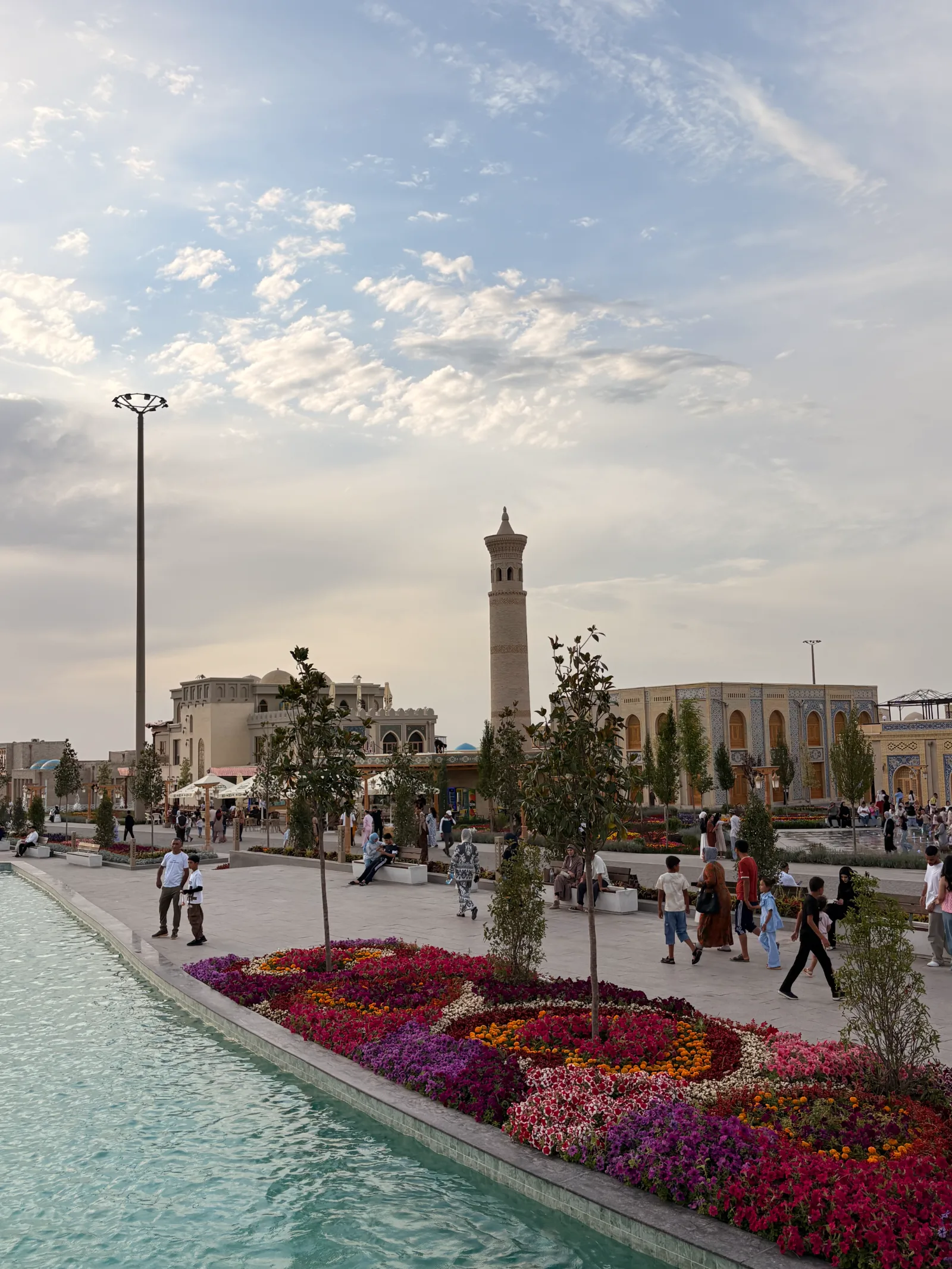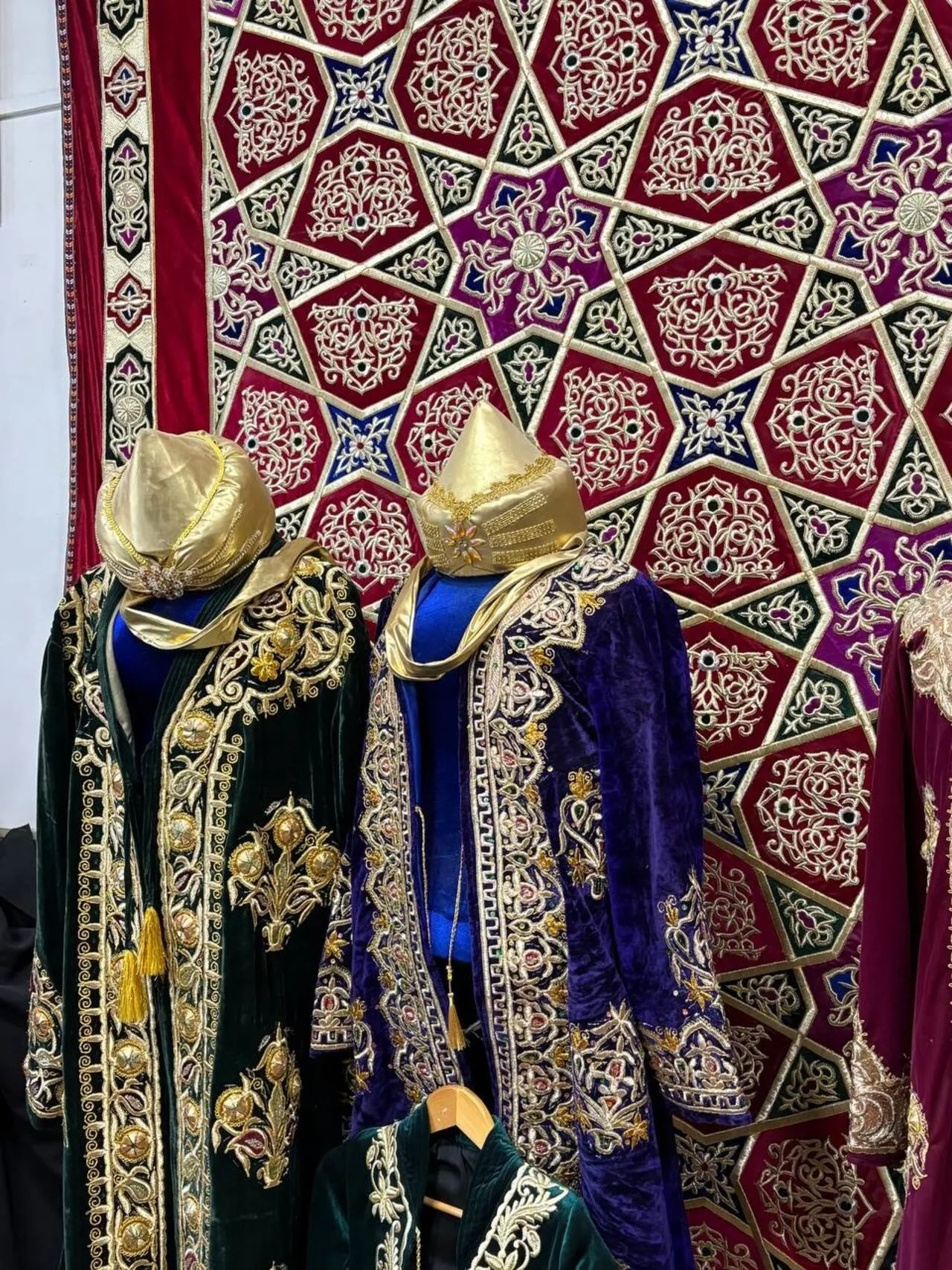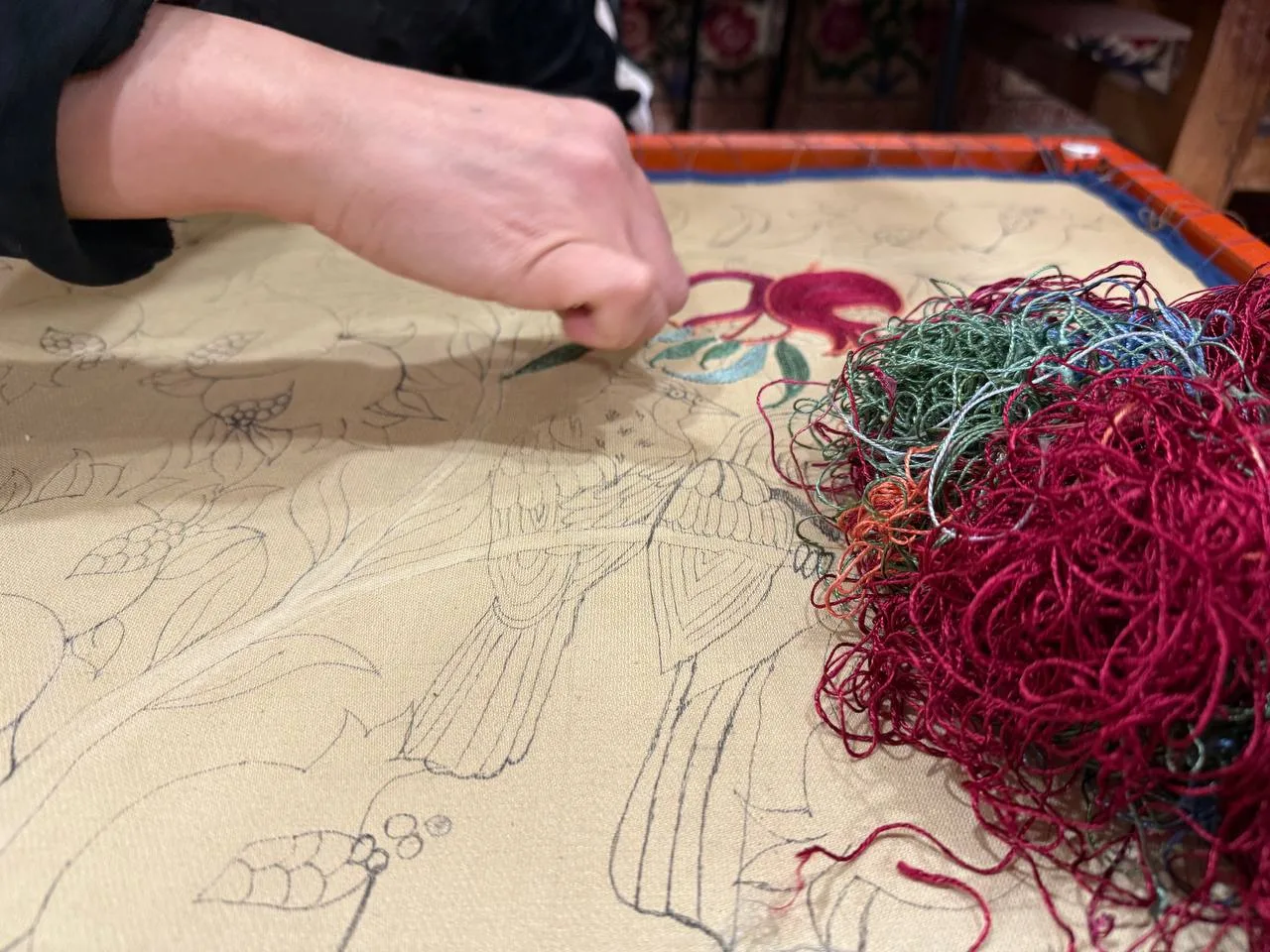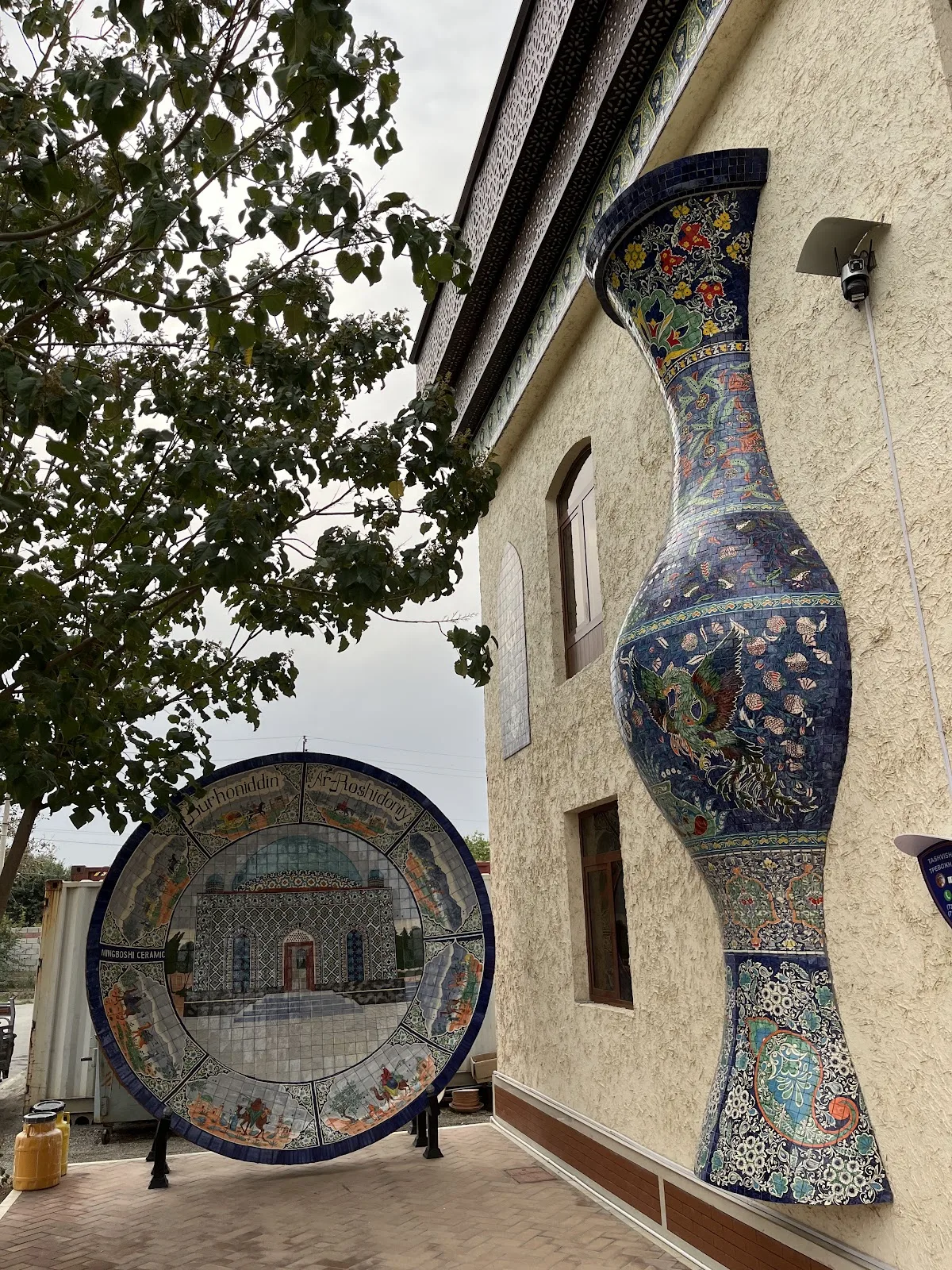
The first thing you notice about Rishtan is the color. It's everywhere. Blue plates stacked outside workshops. Turquoise bowls drying in the sun. Aquamarine tiles adorning even the simplest buildings. This small town in the Fergana Valley has been producing ceramics for over a thousand years, and the tradition has literally become part of the landscape.
But drive an hour in any direction, and that blue disappears. Rishtan's pottery tradition is hyperlocal—tied to specific clay deposits, particular plants for glazes, and knowledge passed through specific families. Nearly lose those families, and you nearly lose everything.
What Is the Secret of Ishkor?
What makes Rishtan ceramics distinctive isn't just their patterns—it's that distinctive blue-turquoise glaze that seems to glow from within. It's called "ishkor," and its recipe was nearly lost forever.
Ishkor isn't a single ingredient—it's an alchemical process. The glaze is made from mineral colorants mixed with ash obtained from burning specific plants. Different masters use slightly different formulas, and they guard these recipes carefully. But the basic principle has remained unchanged: natural materials, processed traditionally, producing a glaze that synthetic alternatives have never successfully replicated.
The result is a finish with depth. Factory ceramics sit flat under light. Ishkor-glazed pottery seems to have dimension, drawing your eye into the surface rather than just across it.
The Near-Extinction
In the 1950s, Rishtan's handmade ceramics industry nearly collapsed. A factory opened in town, producing ceramics using modern techniques and industrial enamels. It was faster. It was cheaper. And for a generation raised under Soviet efficiency mandates, it seemed like progress.
Traditional potters couldn't compete on price. Their sons went to work in the factory. The intricate knowledge of clay preparation, wheel techniques, kiln temperatures, and ishkor formulation began to fade from active practice.
By the 1970s, authentic Rishtan ceramics had become rare. The traditional art survived only in a handful of families who stubbornly refused to abandon the old ways.
The Masters Who Refused
Two names appear in every account of Rishtan's revival: I. Kamilov and Sh. Yusupov. These hereditary masters maintained the traditional techniques when it would have been much easier to give up.
They didn't just preserve their own practice—they taught. They opened workshops to students who wanted to learn the old ways. They documented techniques that had previously been passed only through oral tradition and hands-on apprenticeship.
Today, there are over 100 pottery masters working in Rishtan, many trained by masters who were themselves trained by Kamilov and Yusupov. The tradition didn't just survive—it regenerated.
What Makes Rishtan Ceramics Special
The clay itself comes from local deposits—red clay that fires differently than clay from other regions. The traditional process begins with the clay being mixed with water and left to settle, a purification process that can take days.
Shaping happens on the wheel, entirely by hand. Each potter develops their own style—slight variations in thickness, rim angle, and base shape that experienced collectors can identify.
After initial shaping, pieces dry partially before the first firing. Then comes decoration—the intricate geometric and floral patterns that cover Rishtan pottery. These are painted by hand, often by specialized decorators who work alongside the potters.
The ishkor glaze goes on last, and the pieces return to the kiln. The chemical transformation that occurs during this final firing is where the magic happens—where mineral colorants and plant ash combine with heat to produce that legendary blue.
Why It Still Matters
Factory ceramics are everywhere in Uzbekistan now. You can buy them cheaply in any bazaar. Some even imitate Rishtan patterns, though they lack the depth of genuine ishkor-glazed pieces.
But in Rishtan itself, the real work continues. Potters wake early to check their kilns. Decorators spend hours on a single bowl. Families still pass techniques to children who show aptitude and interest.
When you visit, you can walk into workshops unannounced. The work isn't hidden—it's happening in courtyards and open sheds, accessible to anyone curious enough to stop. Potters will explain their process, show you the clay deposits, demonstrate the wheel technique.
And you can buy directly from the makers. Bowls that will last generations. Plates that carry centuries of tradition in their glaze. Objects made by human hands using techniques perfected over a millennium.
In an age of mass production, that's worth preserving. Worth visiting. Worth supporting. For context on why these traditions matter globally, UNESCO maintains a list of Intangible Cultural Heritage that includes many Uzbek craft traditions.
The blue of Rishtan almost disappeared once. With enough visitors who value authenticity over convenience, it won't disappear again.
About the author
CraftnCulture
The CraftnCulture editorial team — Tashkent-based cultural tourism specialists covering Uzbekistan travel, artisan crafts, and Silk Road heritage.