Ферганская долина — самый недооценённый регион Узбекистана: плодородный полумесяц, спрятанный между горами на крайнем востоке страны, где икатовые станки до сих пор стучат во дворах семейных мастерских, а Шёлковый путь так и не затих. Пока большинство путешественников курсирует между Samarkand, Bukhara и Khiva, самостоятельный маршрут по Ферганской долине вознаграждает живыми ремёслами, более дружелюбными ценами и теми незапланированными моментами, что исчезают на главной туристической трассе. Вот пятидневный план, который вы можете осуществить сами: остановки в Андижане и Коканде в сочетании с небольшими ремесленными городами — серьёзный кандидат в любом списке альтернатив Шёлковому пути.
День 1: Из Ташкента в Коканд
Пропустите долгую дорогу и забронируйте утренний поезд «Афросиёб» из Ташкента в Коканд (около пяти часов через перевал Камчик). Когда-то могущественная столица ханства, Коканд встречает вас дворцом Худояр-хана — буйством зелёной, синей и охровой плитки XIX века, которое сразу даёт понять: вы отошли от стандартного сценария Шёлкового пути. Пообедайте в чайхане у пятничной мечети Джами, затем прогуляйтесь по тенистым улицам старого города. Большинство самостоятельных путешественников недооценивают Коканд — посвятите ему целый день. Ночуйте в семейном гостевом доме у центрального парка.
День 2: Керамика Риштана и переезд в Маргилан
Возьмите маршрутное такси и проедьте 50 километров до Риштана — столицы керамики, где фирменную узбекскую бирюзовую глазурь (ишкор) до сих пор добывают из местных растений. Зайдите в одну из действующих мастерских — самой известной является усадьба Рустама Усманова, но более тихие семейные мастерские вдоль главной улицы не менее интересны. Сядьте на час за гончарный круг — мастера терпеливы. К вечеру продолжайте путь в Маргилан. Заселяйтесь в гостевой дом в старом квартале Ханака и разомните ноги на базаре Кумтепа, если попадаете в четверг или воскресенье — это шумные, радостные базарные дни города.
Что взять с собой в долину
Несколько мелочей сделают маршрут проще:
- Наличные узбекские сумы — карты вне Ташкента принимают плохо
- Скромные многослойные вещи: утром прохладно даже летом
- Маленький блокнот, чтобы мастера записали свои номера WhatsApp
- Переходник на розетку (тип C/F) и портативный аккумулятор для долгих поездок
- Влажные салфетки — лепёшки, плов и пыльные мастерские сочетаются часто
День 3: Шёлк Маргилана и фабрика «Ёдгорлик»
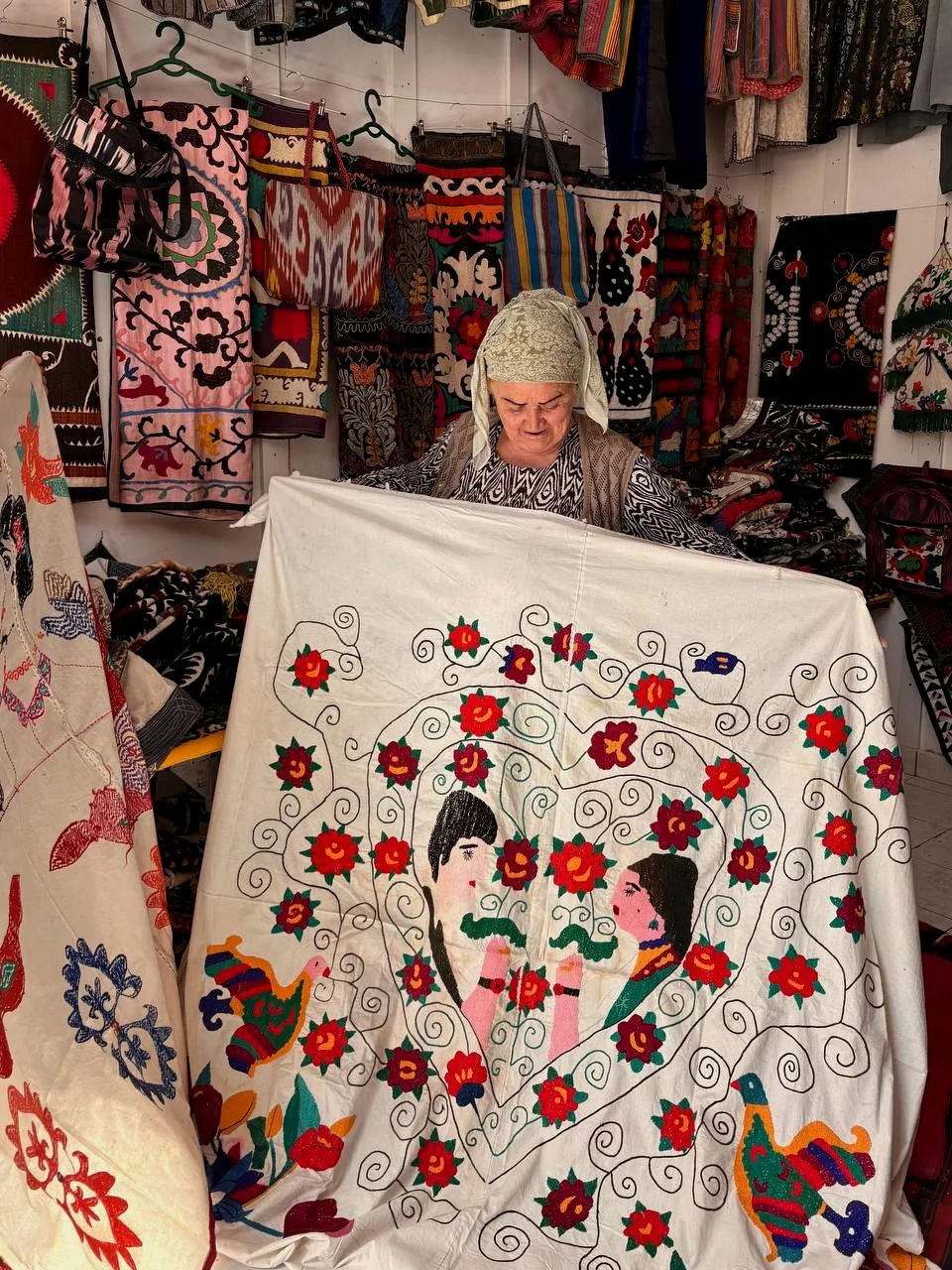
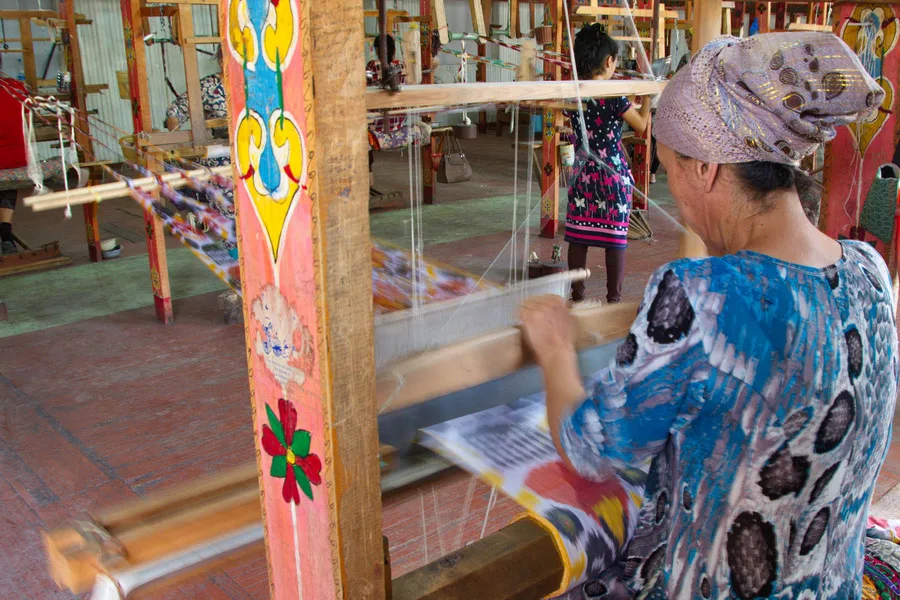
Маргилан — сердце узбекской традиции шёлкоткачества. Утро посвятите фабрике «Ёдгорлик», где работники до сих пор разматывают коконы вручную, завязывают узоры икат хлопковыми нитями и красят пряжу кожурой граната и индиго. В отличие от промышленных производств, «Ёдгорлик» работает только на натуральных красителях и деревянных станках — редкое сохранение досоветского ремесла. После обеда дойдите до медресе Саид Ахмад-Ходжа, ныне действующего центра ремёсел, и покупайте напрямую у ткачей. Цены примерно вдвое ниже, чем в Самарканде или Ташкенте.
День 4: Фергана и Андижан
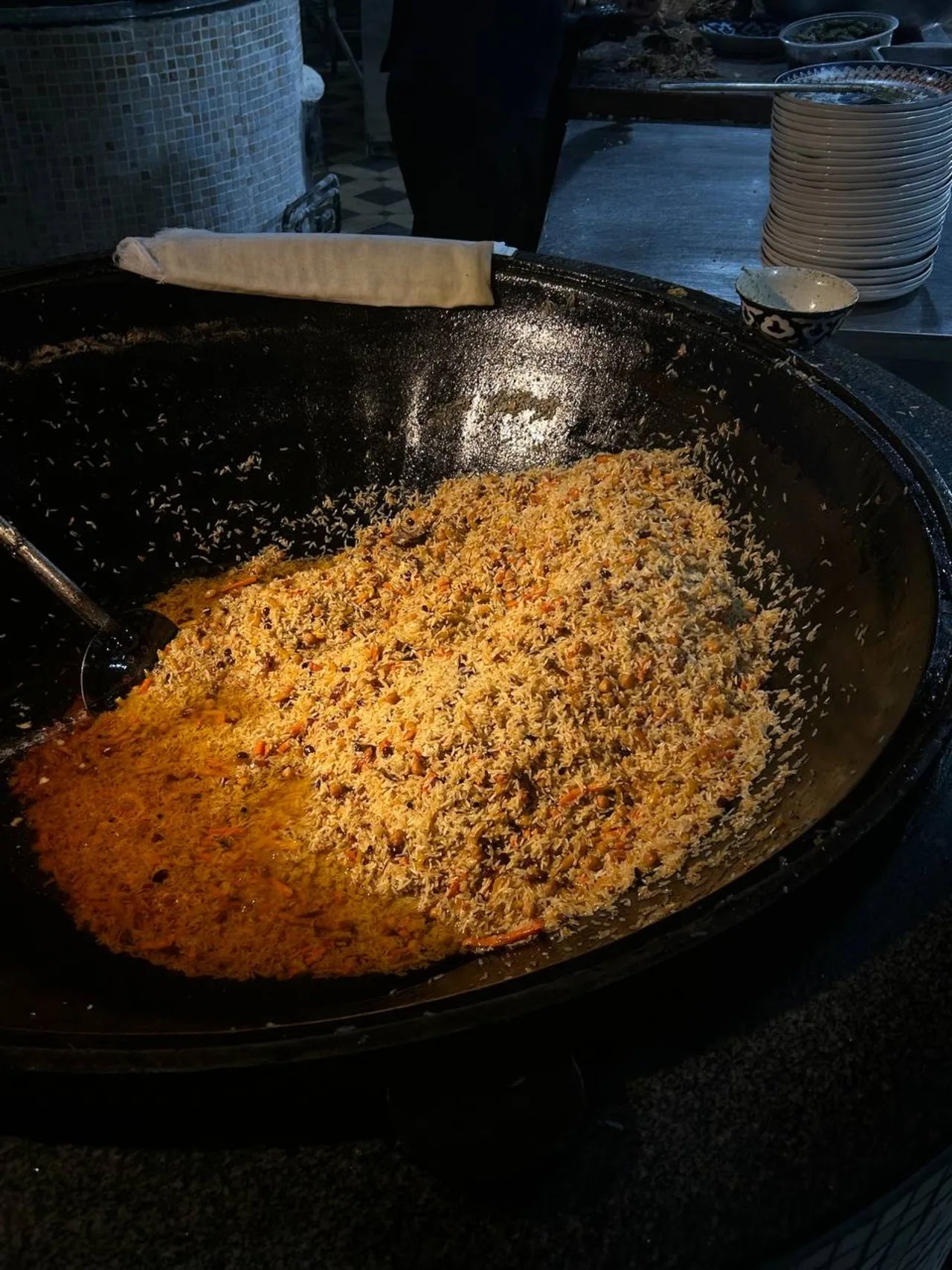
Сядьте на короткое маршрутное такси до Ферганы — областного центра. Это спокойный город советской эпохи с тенистыми бульварами, удобный как база, но небогатый достопримечательностями — половины дня достаточно. После обеда двигайтесь в Андижан, самый восточный крупный город Узбекистана и родину Бабура, основателя Империи Великих Моголов. Загляните в Литературный музей Бабура и комплекс Джами, затем поужинайте в местной чайхане. Андижанский плов — это отдельный зверь: слаще, с большим количеством моркови и айвы, чем ташкентская версия. Ночуйте у центральной площади.
День 5: Кува и обратный путь
В последний день съездите в Куву — небольшой город с древним буддийским памятником VII века, тихим напоминанием о том, что культура долины старше ислама на столетия. Вернитесь в Андижан или Фергану на дневной рейс в Ташкент (45 минут в воздухе — гораздо лучше, чем повторять дорогу). Вечером разбирайте свои икатовые шарфы, керамические пиалы и контакты мастеров, готовых прислать ещё.
Почему этот маршрут работает
Ферганская долина находится вне стандартного туристического кольца — а это значит более низкие цены, тёплое гостеприимство и более глубокий доступ к ремёслам. Вы встретите гончаров, ткачей и пекарей, у которых действительно есть время поговорить. Для тех, кто уже знает Регистан, долина — естественная следующая глава и одна из самых благодарных альтернатив Шёлковому пути в стране.
CraftnCulture работает напрямую с несколькими мастерами в Риштане, Маргилане и Андижане. Если вы предпочитаете, чтобы знакомства были организованы заранее — включая визиты в мастерские, переезды между городами и местного гида, говорящего на местном диалекте — наши маршруты по Ферганской долине соединяют этот путеводитель с людьми, ради которых стоит ехать.
Источники
About the author
CraftnCulture
The CraftnCulture editorial team — Tashkent-based cultural tourism specialists covering Uzbekistan travel, artisan crafts, and Silk Road heritage.