Jak fotografować Uzbekistan bez turystycznego sztampowego kadru
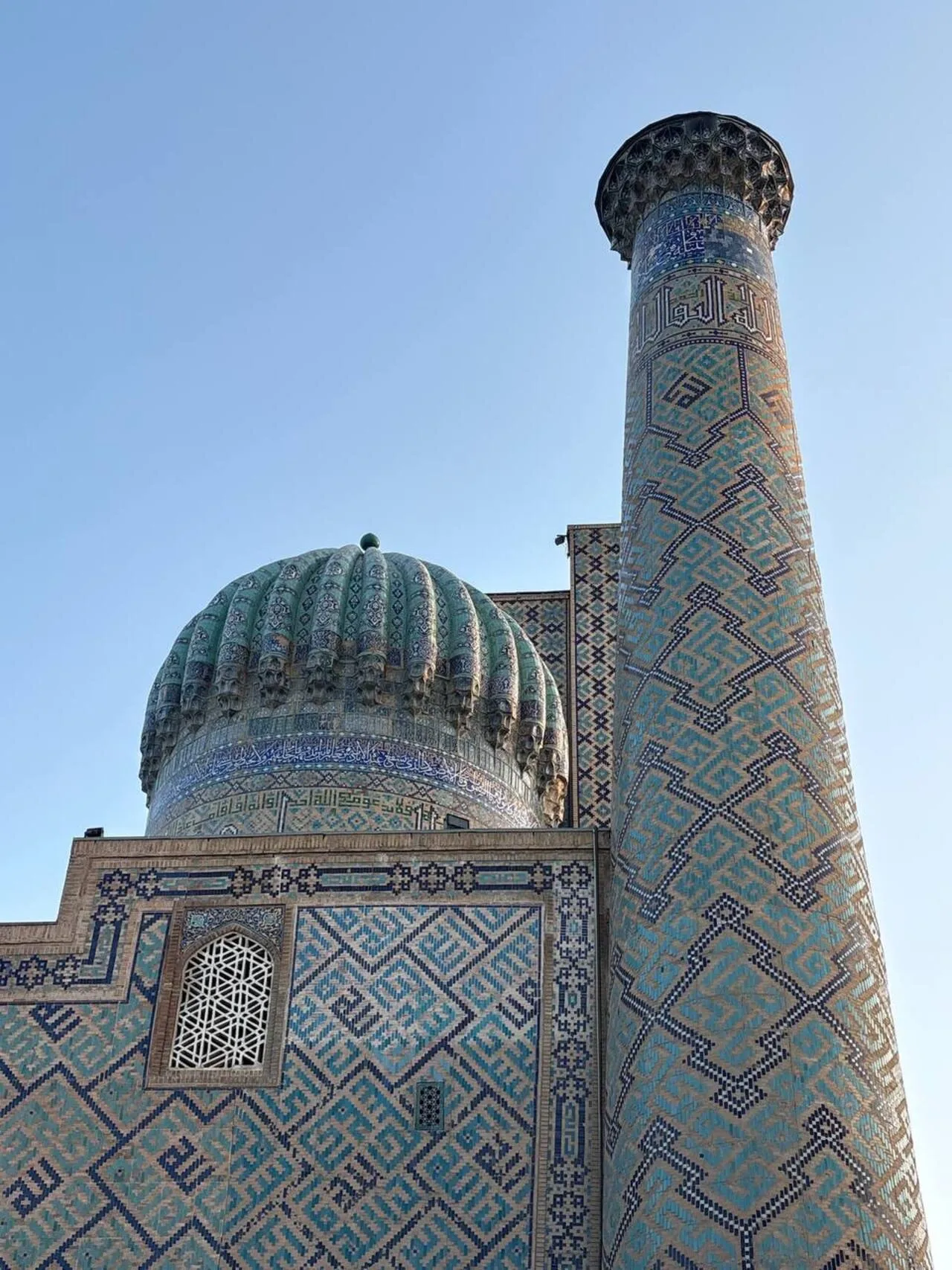
Światło pada na kopuły Registanu o 6:40 rano w październiku, a o 6:55 stoi już jedenaście statywów w dokładnie tym samym miejscu. Wiem, bo byłam dwunasta. Wszyscy czytali ten sam wpis na blogu. Wszyscy mieli to samo ujęcie - turkusowe kopuły, pusty dziedziniec, sylwetka miejscowego przechodzącego przez kadr w odpowiednim momencie. Zrobiłam swoją wersję. Wygląda dokładnie jak wersja wszystkich innych. Na tym polega problem fotografii Uzbekistanu, jeśli buduje się plan podróży wyłącznie wokół słynnych fasad: wracasz do domu z kartą pamięci pełną zdjęć, które zrobiłby każdy turysta z biletem lotniczym.
Jak zaczęłam myśleć o tym inaczej
Przyjechałam na dwutygodniową wycieczkę zbudowaną wokół architektury Jedwabnego Szlaku - Chiwa, Buchara, Samarkanda, same najsłynniejsze miejsca. Dużo fotografuję, mam za sobą Marrakesz, Petrę, Luang Prabang, i miałam gotową listę ujęć jeszcze przed lądowaniem. Nie przewidziałam, jak mało ta lista będzie znaczyć, gdy stanę w prawdziwym warsztacie i będę patrzeć na pracę rzemieślnika. Garncarz w Riszton kręcił misę na kole nożnym, które według niego nie było wymieniane od ponad dekady, a pył z gliny łapał popołudniowe światło wpadające przez drzwi w sposób, jakiego żaden zabytek nie potrafił. To zdjęcie do dziś jest najlepszym, co przywiozłam do domu, i nie było go na żadnej liście.
Różnica między dokumentowaniem a fotografowaniem
To realna różnica, a większość podróżnych jej nie zauważa. Dokumentowanie miejsca oznacza stanie tam, gdzie stoją wszyscy, i kierowanie aparatu na to, na co kierują wszyscy - zdobywasz Registan, minaret Kalyan, Ark w Bucharze, i warto je mieć, to naprawdę imponujące budowle. Ale fotografowanie miejsca - zdjęcie z prawdziwą narracją wizualną, a nie tylko rozpoznawalnym tematem - wymaga bliskości i czasu, których nie daje harmonogram autobusu. Trzeba być w pomieszczeniu wystarczająco długo, żeby ludzie przestali grać do obiektywu. Przewodnik, który daje czterdzieści minut przy zabytku i nazywa to przystankiem fotograficznym, daje ci dokumentację. Warsztat, w którym siedzisz metr od rąk rzemieślnika przez dwie godziny, daje coś innego.
Gdzie naprawdę są dobre miejsca do zdjęć - i to nie tam, gdzie myślisz
Mauzolea i medresy wychodzą na zdjęciach pięknie i wszyscy już wiedzą, gdzie one są - nie będę marnować miejsca, odkrywając na nowo meczet Bibi-Chanym. Zaskoczyły mnie wnętrza: pracownia hafciarki suzani w Bucharze, gdzie szpulki nici ułożone są według koloru na pobielonej ścianie, dłonie poruszają się na tyle szybko, że rozmyją się przy złym czasie migawki. Dziedziniec herbaciarni w starym mieście Chiwy o godzinie, gdy jej właściciele piją własną herbatę zamiast obsługiwać turystów - zupełnie inna atmosfera, zupełnie inne twarze. Warsztaty ceramiczne w Dolinie Fergańskiej, gdzie garnki czekające na wypalenie ułożone są w nierówne kolumny, których żaden scenograf by tak nie ustawił, ale które wyglądają lepiej niż cokolwiek zaaranżowanego. Nic z tego nie jest tajemnicą - to po prostu informacja, z której nie skorzystasz, obserwując te przestrzenie z okna autokaru zamiast być w nich fizycznie.
Co naprawdę czuło się inaczej - fotografowanie w warsztacie kontra przy zabytku
Zabytkom nie przeszkadza bycie fotografowanymi. Ludziom - tak, albo powinno, a duża część turystycznej fotografii w tym regionie chyba nie dostrzega tej różnicy. Stojąc w rodzinnym warsztacie ceramicznym Nodiry pod Riszton, z aparatem w ręku, byłam świadoma w sposób, w jaki nie byłam przy żadnym zabytku, że jestem gościem w czyimś prawdziwym miejscu pracy, a nie widzem przedstawienia zaaranżowanego na moją korzyść. To zmienia sposób fotografowania. Czekasz. Pytasz, choćby przez tłumacza, choćby samym uniesieniem brwi i gestem w stronę aparatu. Robisz mniej zdjęć, ale lepszych, bo nie strzelasz seriami do nieruchomego budynku, tylko wypatrujesz momentu, gdy światło poprawnie pada na dłoń albo wyraz twarzy uspokaja się do skupienia zamiast uprzejmości. Z trzech godzin w tym warsztacie przywiozłam może czterdzieści dobrych zdjęć. Przy Registanie zrobiłam czterysta klatek i zachowałam sześć.
Dlaczego wielkość grupy naprawdę zmienia to, co można sfotografować
To część, o której większość przewodników fotograficznych po regionie nie wspomina, bo większość z nich napisali ludzie, którzy nigdy nie próbowali fotografować w grupie dwudziestu osób w działającym warsztacie rzemieślniczym. W dużej grupie rzemieślnik występuje dla sali - narzuca się tempo pokazu, tempo zarządzania tłumem, a ty dostajesz jeden kąt, dzielony z dziewiętnastoma innymi obiektywami, na czas wyznaczony przez przewodnika. W grupie ośmiu osób lub mniejszej, jak w formacie małych grup CraftNCulture, jest miejsce, żeby naprawdę poruszać się po warsztacie, przeczekać zły kąt, poprosić rzemieślnika, żeby kontynuował pracę, zamiast zatrzymywać się w pozie. W warsztacie hafciarskim Dilnozy w Bucharze jest miejsce dla może trzech osób, by usiąść wystarczająco blisko i uzyskać naprawdę intymne ujęcie jej rąk na tkaninie. W grupie dwudziestu osób większość z tych trzech miejsc jest zajęta, zanim rozpakujesz torbę.
Co naprawdę przywiozłam do domu
Nie zdjęcie Registanu - mam je, jest w porządku, wygląda jak wersja sześciuset innych ludzi. To, co przywiozłam, to zestaw zdjęć z prawdziwych przestrzeni roboczych: dłonie, materiał w trakcie obróbki, szczególna jakość światła w pomieszczeniu zbudowanym dwieście lat przed tym, zanim elektryczność stała się elementem projektu. Jeśli planujesz podróż wokół tego, co umożliwia fotografia Uzbekistanu, zabytki są oczywistością - zarezerwuj slot o złotej godzinie, wszyscy tak robią. Ale wpleć czas w warsztatach, w grupie wystarczająco małej, żeby nie być dwunastym statywem w cudzym kadrze. CraftNCulture prowadzi swoje rzemieślnicze wycieczki w małych grupach maksymalnie ośmiu osób właśnie dlatego, że dostęp załamuje się powyżej tej liczby - sprawdź aktualną trasę Jedwabnego Szlaku i jednodniowe wycieczki rzemieślnicze, żeby poznać dokładne daty i ceny, zanim zaplanujesz pod nie torbę na sprzęt.
Więcej historii CraftNCulture → w sekcji bloga, albo poznaj samych rzemieślników na stronach warsztatów rzemieślniczych wspomnianych powyżej.
About the author
CraftnCulture
The CraftnCulture editorial team — Tashkent-based cultural tourism specialists covering Uzbekistan travel, artisan crafts, and Silk Road heritage.