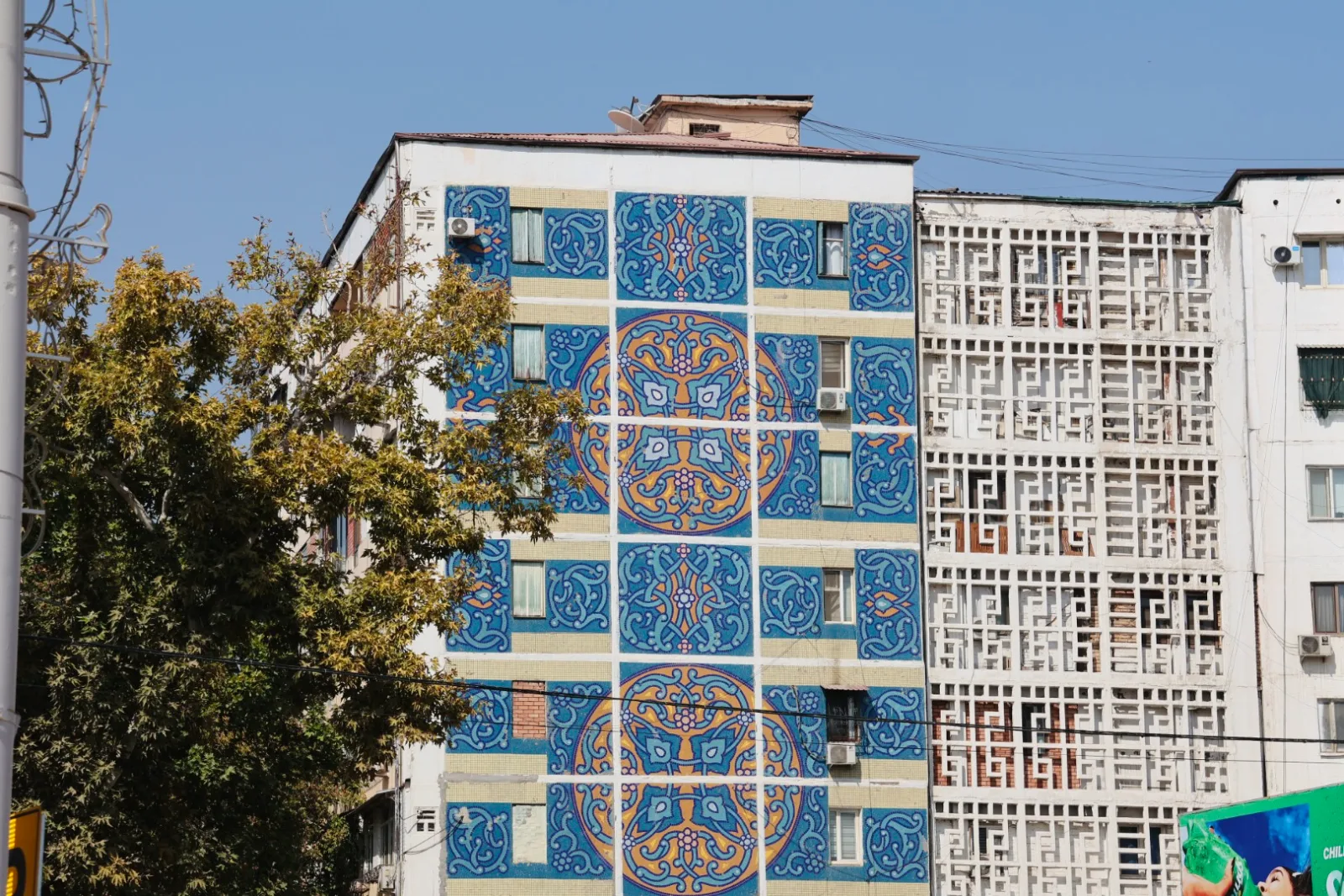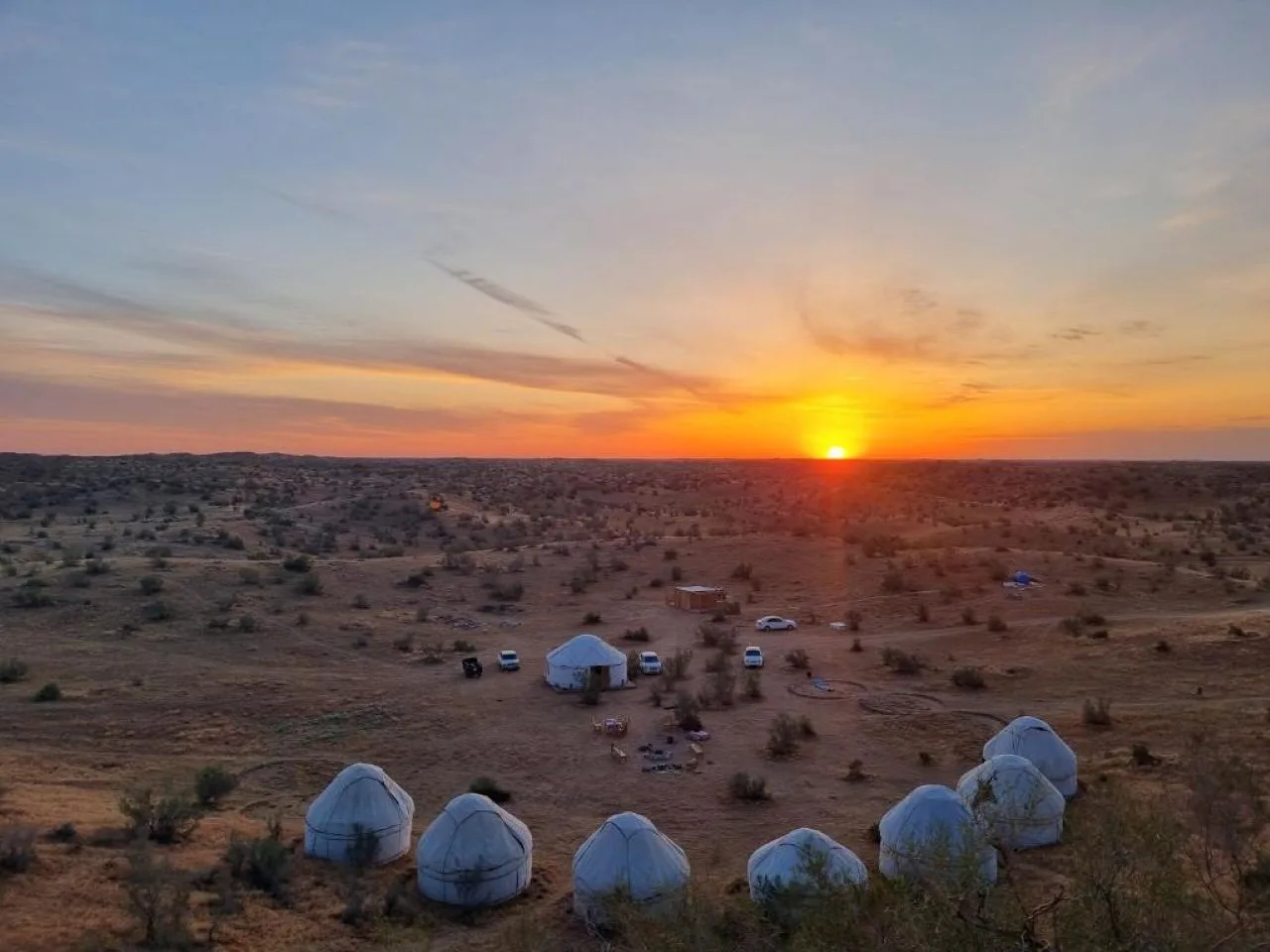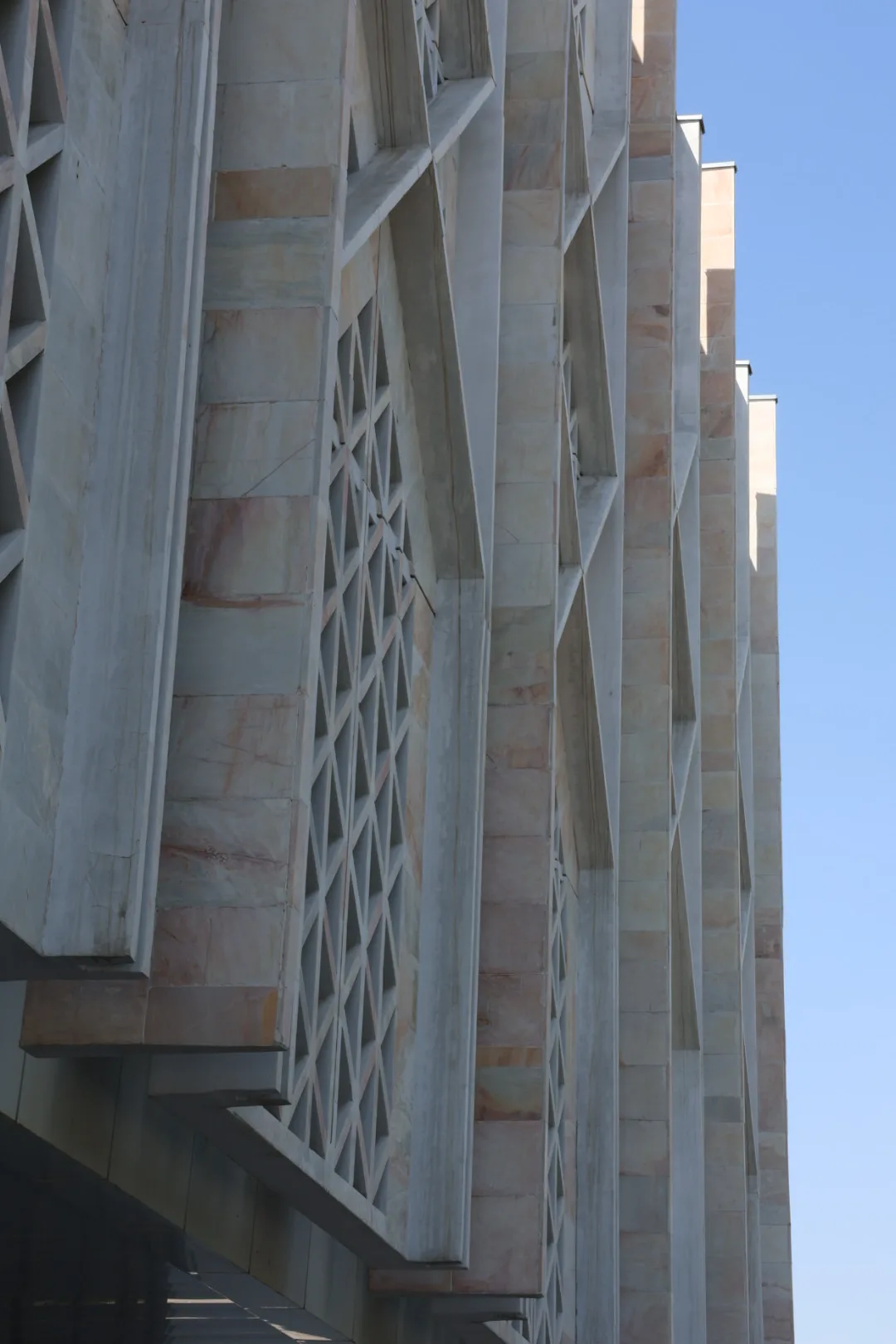
Plecakiem przez Jedwabny Szlak: ile naprawdę kosztuje budżetowa podróż w głąb Uzbekistanu
Kierowca marszrutki odsunął mój banknot 50 000 sumów i wskazał na mniejszy. Przepłaciłam o jakieś cztery dolary, a on nie miał zamiaru ich wziąć. To właśnie takie momenty - drobne, zupełnie niefotogeniczne negocjacje - nie trafiają do typowych opisów Azji Środkowej. A to one decydują, czy budżetowa podróż w głąb Uzbekistanu naprawdę się udaje, czy tylko dobrze wygląda w planie podróży.
Jak do tego doszłam
Czytałam zwykłe obietnice o backpackingu po Jedwabnym Szlaku przez wnętrze Uzbekistanu - tanie pociągi, przyjaźni ludzie, waluta, która starcza na długo. Większość okazała się prawdą, co zaskoczyło mnie bardziej, niż powinno. Przyjechałam z arkuszem kalkulacyjnym: 35 dolarów dziennie, wszystko wliczone, przez trzy tygodnie - z Taszkentu przez Samarkandę i Buchara aż do Doliny Fergańskiej, z pominięciem utartej pętli do Chiwy, którą jeżdżą prawie wszystkie autokary turystyczne. Chciałam wiedzieć, ile naprawdę kosztuje trasa przez wnętrze kraju - miasta pomiędzy pocztówkowymi stolicami - kiedy nikt nie organizuje logistyki za mnie.
Krótka odpowiedź: udało się, ale nie tak, jak sugerują blogi podróżnicze. Najtańsze nie były hotele. Najtańsze były pociągi.
Trasy, które naprawdę działają
Szybki pociąg Afrosiyob między Taszkentem a Samarkandą sprzedaje bilet drugiej klasy taniej, niż kosztowała mnie taksówka z lotniska do pierwszego hostelu. Ten jeden fakt zmienia całą logikę podróży: najpierw pociąg, potem marszrutka - to budżetowy szkielet tej trasy, a nie firmy autokarowe nastawione na turystów. Marszrutki - wspólne minibusy odjeżdżające, gdy się zapełnią, a nie według rozkładu - łączą mniejsze miasteczka, których pociągi omijają, i kosztują śmiesznie mało, jeśli płaci się w drobnych i nie kłóci o miejsce przy otwartym oknie.
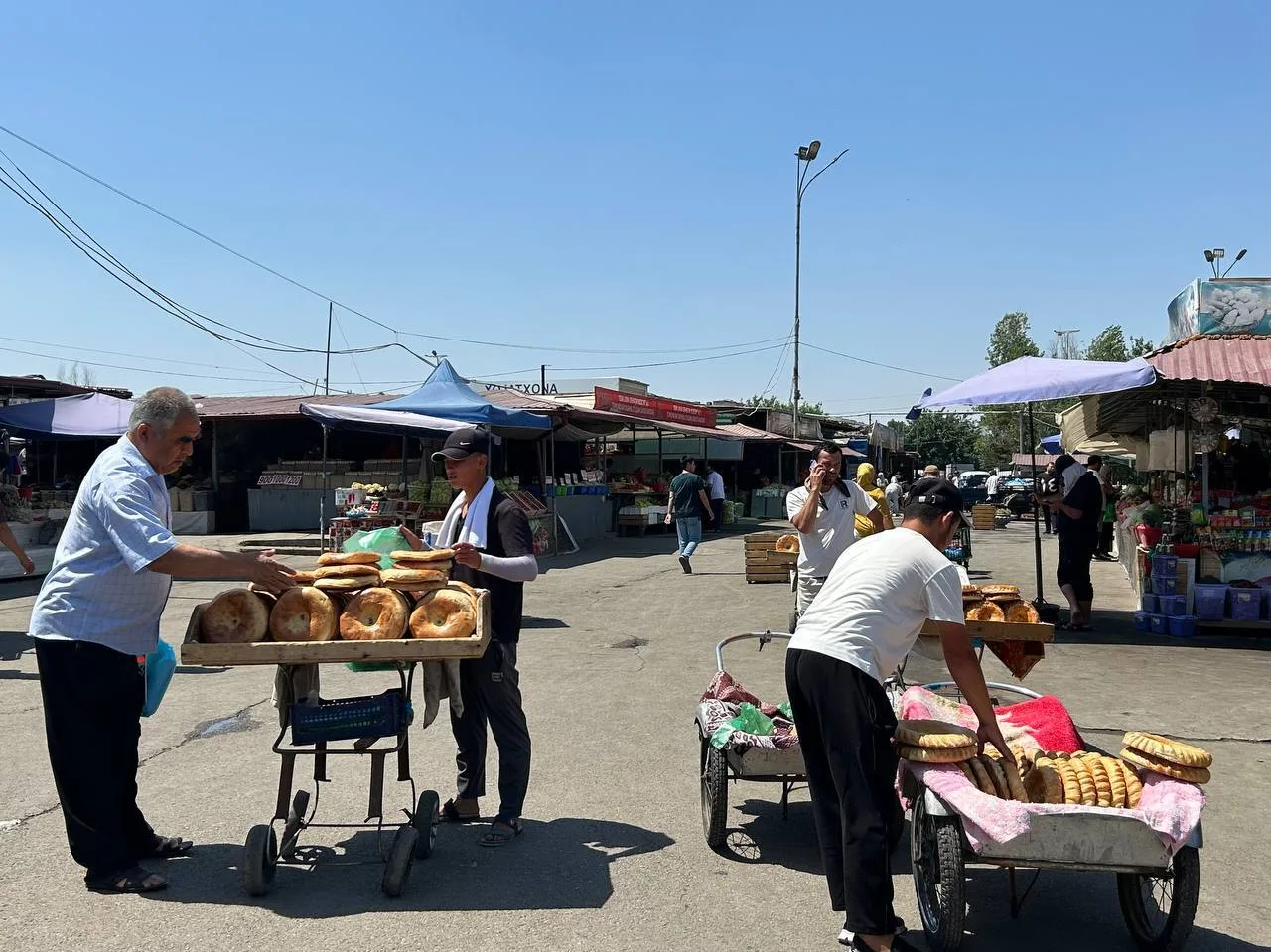
Najbardziej zaskoczyła mnie trasa lądowa z Samarkandy do Doliny Fergańskiej, przez przełęcz Kamczik. Rzadko poleca ją jakiekolwiek biuro podróży - jest wolniejsza i mniej efektowna niż lot - ale też trzy razy tańsza, i to właśnie tam naprawdę rozmawiałam z ludźmi: kobieta sprzedająca chleb non przez okno na przystanku, dwoje studentów jadących do domu na święta, którzy przez czterdzieści minut próbowali wytłumaczyć mi zasady gry w karty mieszanką rosyjskiego i gestów.
Jak to naprawdę wyglądało
Nie będę udawać, że budżetowa podróż jest tu wygodna jak wykupiona wycieczka. Pociągi są dobre; pensjonaty bywają bardzo różne. W Bucharze miałam pokój z działającym prysznicem i naprawdę dobrym śniadaniem za 9 dolarów za noc, a pod Kokandem pokój, który z życzliwości nazwę "łóżkiem". Nikt nie uprzedza, że w najtańszych czajchanach - herbaciarniach, które w większości miasteczek są jednocześnie najlepszą jadłodajnią - menu rzadko bywa w zrozumiałym języku, a wskazanie palcem na to, co je sąsiedni stolik, działa lepiej niż jakikolwiek rozmówek.
Zmęczenie też jest prawdziwe. Budżetowa podróż w głąb kraju to więcej czekania: aż marszrutka się zapełni, aż pojawi się połączenie, aż ktoś znajdzie pokój, skoro tego zarezerwowanego online faktycznie nie ma. Wymienia się wygodę na kontakt z krajem takim, jaki jest naprawdę, a nie takim, jaki jest inscenizowany dla autokaru turystów jadącego według grafiku. Niektóre dni ta wymiana wydawała się okazją. Dzień, w którym siedziałam trzy godziny na dworcu autobusowym w Namanganie bez jasnej godziny odjazdu, wydawał się błędem.
Gdzie zorganizowana wersja się opłaca
Znowu pojechałabym w głąb kraju budżetowo, ale już w drugim tygodniu zrozumiałam, dlaczego CraftNCulture i podobni organizatorzy prowadzą małe grupy z ustalonymi terminami przez te same miasta, zamiast zostawiać podróżnych samym sobie z połączeniami. Grupa sześciu czy ośmiu osób jadąca przez Dolinę Fergańską z przewodnikiem, który już wie, który kierowca marszrutki naprawdę przyjeżdża na czas, to nie oszukiwanie doświadczenia - to odkupienie godzin, które spędziłam stojąc na dworcach, w zamian za realny czas z rzemieślnikami i w warsztatach, do których samotny budżetowy podróżny często w ogóle nie ma dostępu. Miasteczka w głębi kraju nagradzają powolność, ale nie nagradzają zmarnowanego czasu, a budżetowa podróż tutaj nieuchronnie wiąże się z jego marnowaniem.
Co poradziłabym komuś, kto jedzie tą trasą
Licz 30-40 dolarów dziennie poza trzema głównymi miastami, bliżej 50 w Samarkandzie i Bucharze, jeśli chcesz osobnego pokoju z niezawodną ciepłą wodą. Bilety na Afrosiyob rezerwuj kilka dni wcześniej w sezonie - wyprzedają się. Miej przy sobie drobne wszędzie - o siódmej rano nikt nie ma reszty ze 100 000 sumów. I nie pomijaj miasteczek w głębi kraju, żeby zaoszczędzić dzień - ten Uzbekistan, którego naprawdę szukasz, ten, który nie występuje przed autokarami, mieszka na przystankach marszrutek między miastami, o których każdy słyszał.
Jeśli trzy tygodnie samodzielnego układania trasy przez Dolinę Fergańską to nie jest podróż, na którą masz teraz czas, CraftNCulture prowadzi małe grupowe wycieczki kulturalne przez te same miasta w głębi kraju - Kokand, Riszton, Margilan - z załatwioną logistyką i dostępem do rzemieślników, którego samotny podróżny zwykle nie jest w stanie zorganizować. Terminy i szczegóły są na stronie wycieczki; grupy pozostają poniżej dziesięciu osób.
Więcej historii CraftNCulture o Dolinie Fergańskiej i miastach w głębi Jedwabnego Szlaku.
About the author
CraftnCulture
The CraftnCulture editorial team — Tashkent-based cultural tourism specialists covering Uzbekistan travel, artisan crafts, and Silk Road heritage.