The Women Timurid Samarkand Didn't Write Down
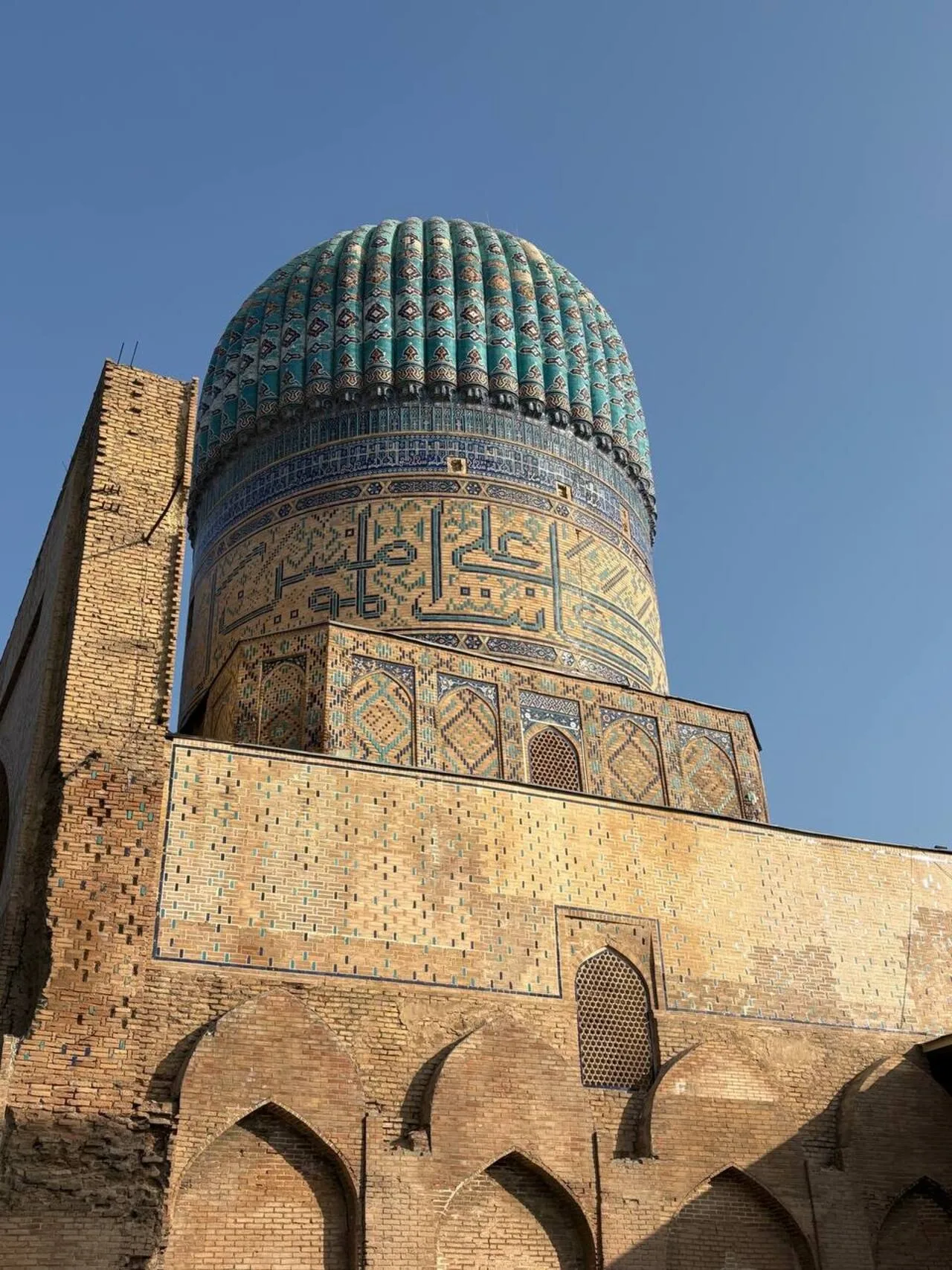
Our guide stopped us in front of the Bibi-Khanym Mosque and asked a question nobody in the group could answer: name one woman from Timurid Samarkand who wasn't married to Timur. Silence. Eight of us, all reasonably well-read, and the only woman merchants or artists in Timurid history we could summarize started and ended with a wife's name attached to a tomb.
That gap turned into the best two hours of a nine-day cultural craft tour of Uzbekistan I hadn't expected to think about this hard.
The record on women merchants and artists in Timurid courts is thin, and Nodira didn't pretend otherwise. "You won't find their names on plaques," she said, standing in the mosque's inner courtyard while a restoration crew worked scaffolding overhead. "You find them in tax records, in the size of a caravanserai stall, in who commissioned which madrasa." That's a different kind of history tour - one built on inference and documentary scraps rather than a clean plaque-to-plaque narrative, and it's more honest for it.
What the Record Actually Shows
Gawhar Shad, wife of Timur's son Shah Rukh, is the one name most people who've read anything on the period will recognize, and even she gets flattened into "wife of" in most tour scripts. Nodira spent twenty minutes on what Gawhar Shad actually commissioned - mosques, madrasas, waqf endowments that functioned as a form of institutional patronage most male nobles didn't bother with at that scale. That's not decoration history. That's someone controlling capital and directing where it went for generations after her death.
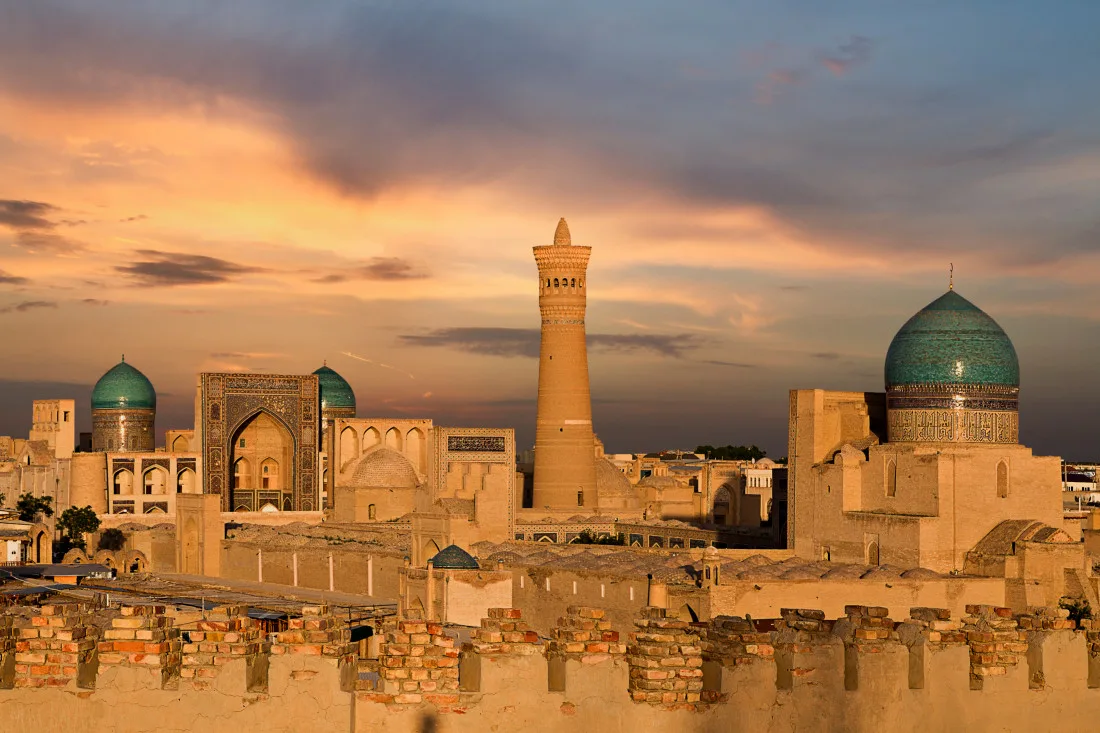
Below the court level, the evidence gets harder to name but doesn't disappear. Bazaar registries and later Russian colonial-era surveys of Central Asian trade guilds document women running specific stalls - textile dyeing, silk reeling, small-scale money-changing - inside caravanserai complexes that historians had long assumed were entirely male-run. Nodira was careful about the limits here: "I can tell you the stall existed and a woman's name is on the lease. I can't tell you her life story, because nobody wrote it down worth keeping." That honesty mattered more to me than a tidier version would have.
What It Actually Felt Like
Standing in the Bibi-Khanym courtyard listening to this, I kept waiting for the satisfying reveal - the lost manuscript, the rediscovered workshop, the narrative arc a documentary would give this. It didn't come. What I got instead was a slower, more uncomfortable kind of understanding: most of what shaped this city's textile trade, its dye markets, its embroidery guilds, was built by women whose names simply weren't considered worth preserving by the people doing the writing. The absence itself is the story, and it's not a comfortable one to sit with in a courtyard built by a man's decree for his wife's memory.
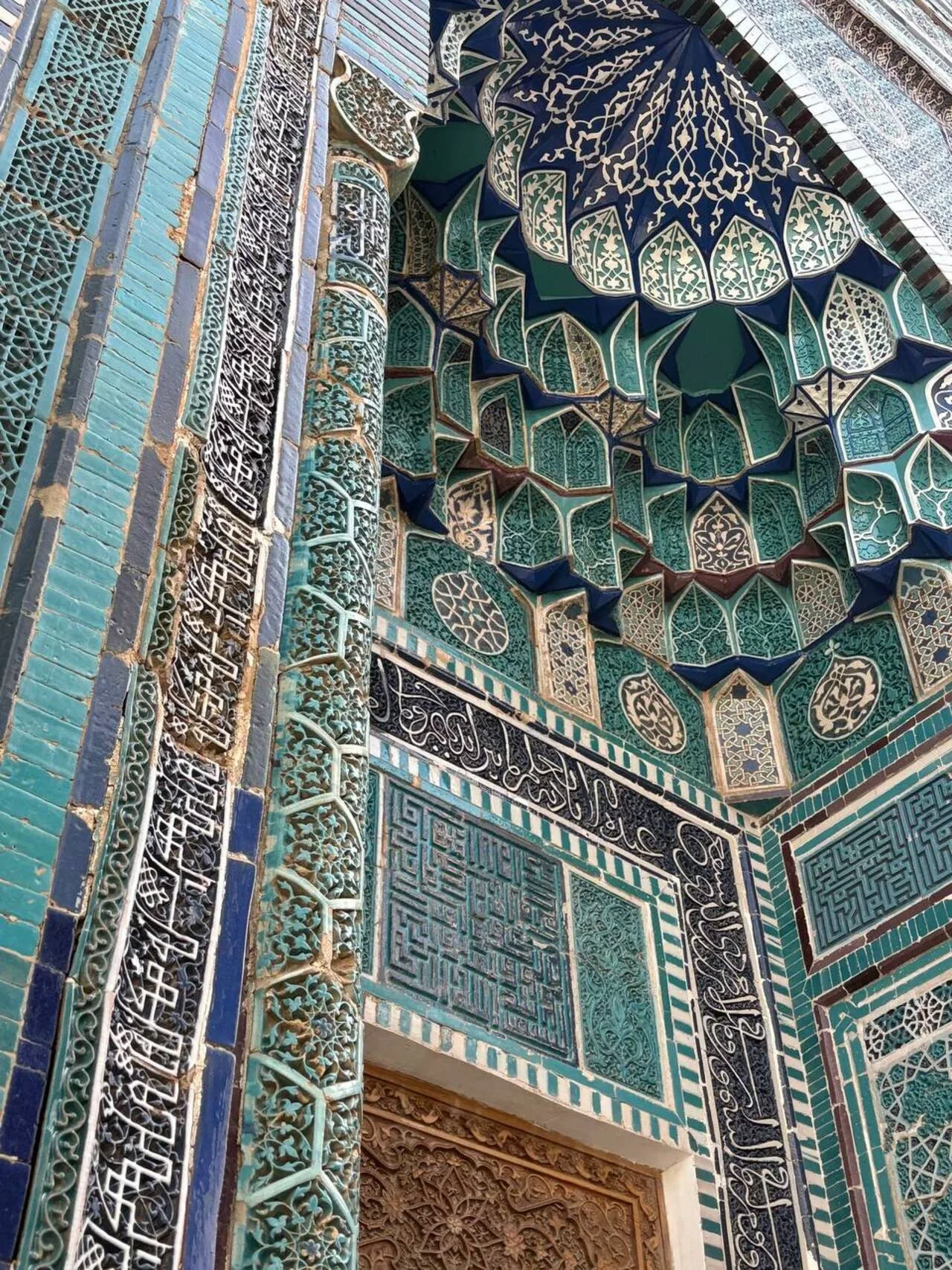
There's a section of the mosque's inner wall where the original tilework survives next to a 20th-century restoration patch, and the color difference is obvious if you know what you're looking at - the old glaze has a depth the new ceramic doesn't quite match. Nodira pointed out that the artisans doing that original tilework, and later the ones restoring it, would have included women in the workshops even when the workshop's public "master" was recorded as male. It's the same pattern as the merchant stalls: present, working, uncredited.
What You Leave With
I came to Samarkand for the ikat dyeing the next morning, and I got that too - hands stained a blue that took four days to fully wash out, a scarf I tied myself sitting uneven on the loom. But the thing I keep bringing up at dinner parties isn't the scarf. It's the tax ledger Nodira described, the stall lease with a woman's name and nothing else, the specific, frustrating shape of a historical record that documents transactions but not people. It made the ikat workshop the next day land differently too - I found myself asking who, exactly, in the generations before the artisan teaching me, had done this same resist-tying work and never been named for it.
You won't get a tidy answer to "who were the women of Timurid Samarkand." You'll get a better question than the one you arrived with, and a clearer sense of what a caravanserai stall lease can and can't tell you two thousand years - or six hundred - after the fact.
CraftnCulture's Samarkand cultural history session runs as part of the 7-day small-group cultural craft tour of Uzbekistan, paired the following morning with the hands-on ikat dyeing workshop in the same city. Group size stays capped at nine to keep conversations like this one possible.
Meta description: What the historical record actually shows about women merchants and patrons in Timurid Samarkand - a first-hand account from CraftNCulture's small-group cultural craft tour.
About the author
CraftnCulture
The CraftnCulture editorial team — Tashkent-based cultural tourism specialists covering Uzbekistan travel, artisan crafts, and Silk Road heritage.