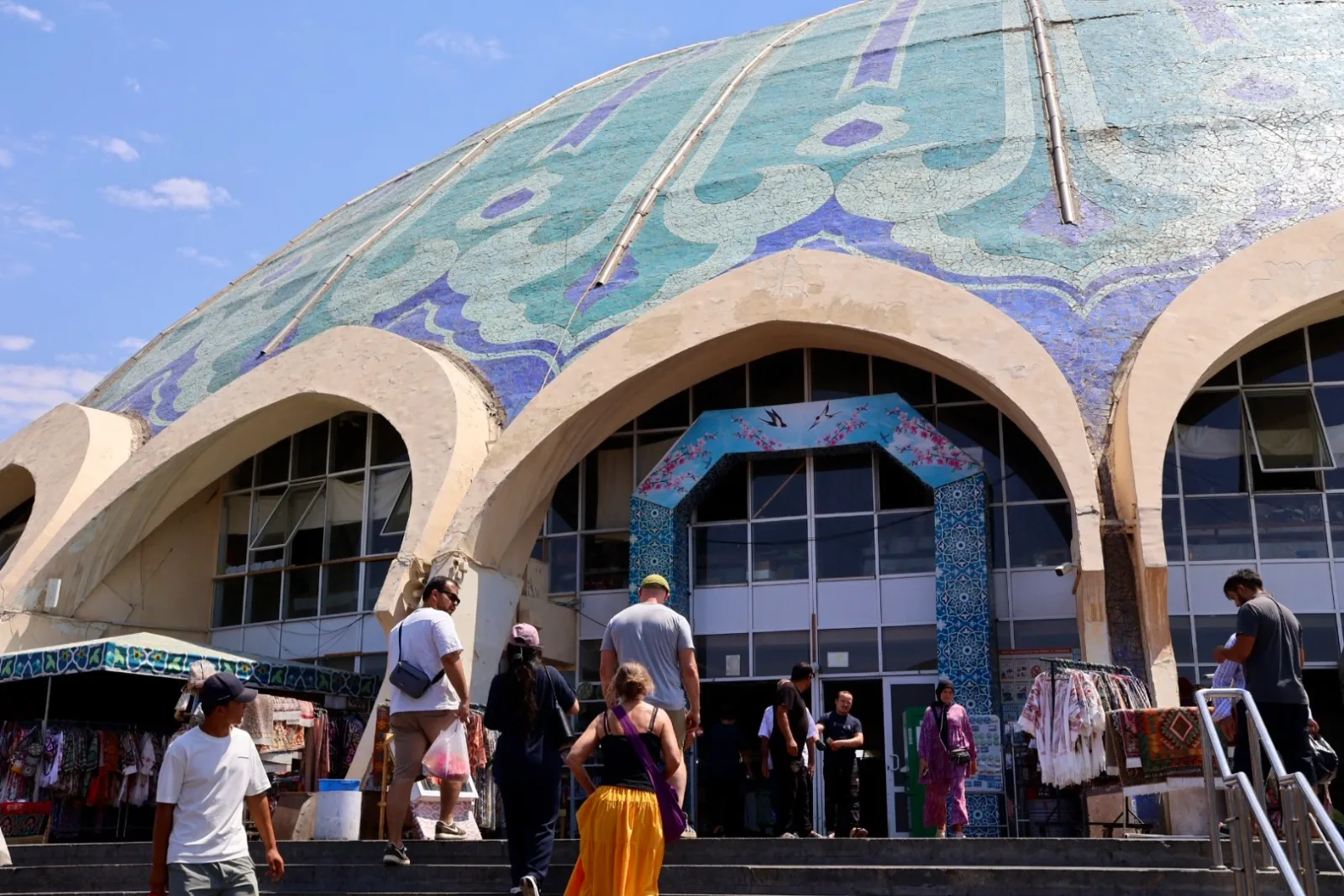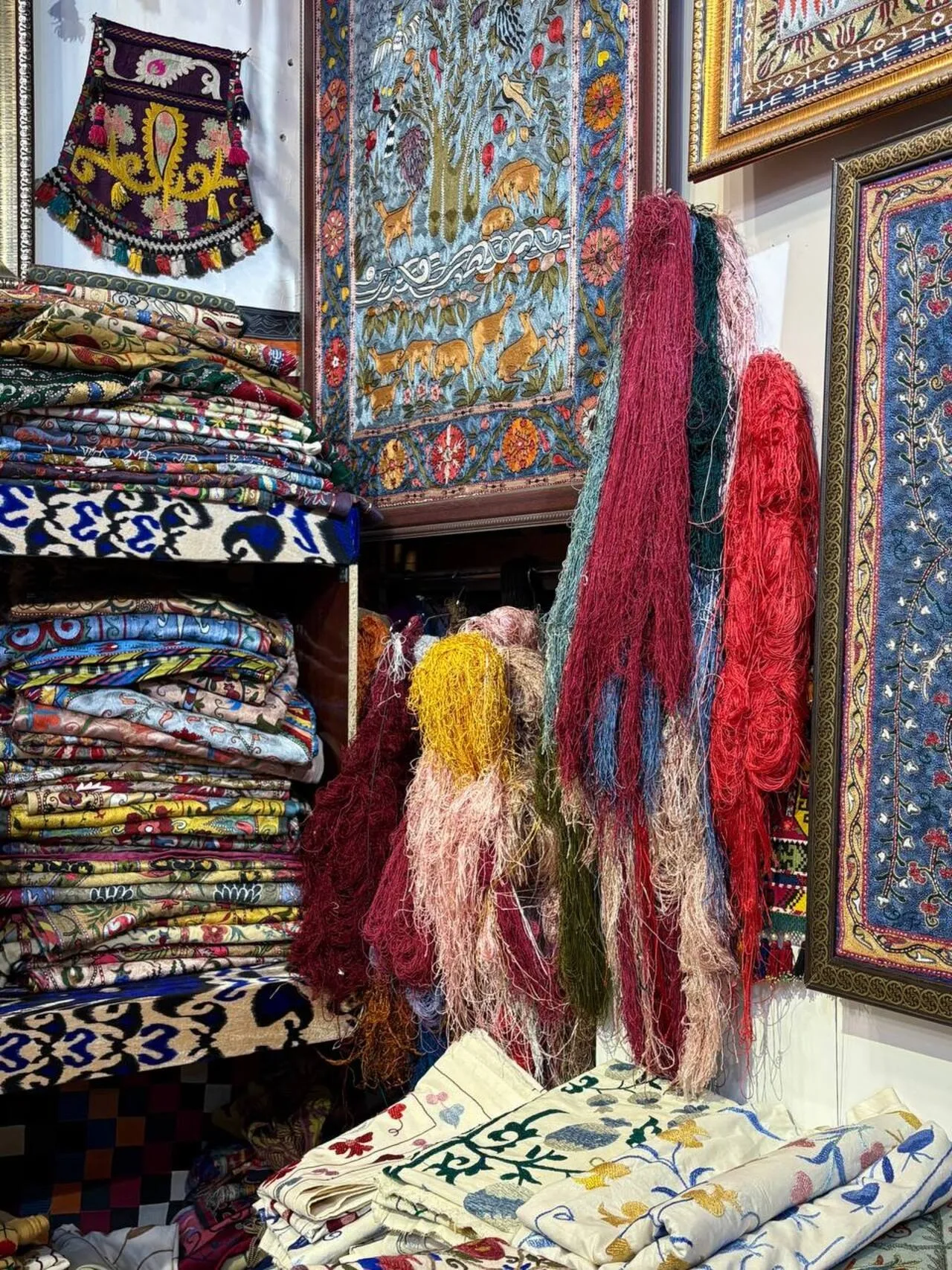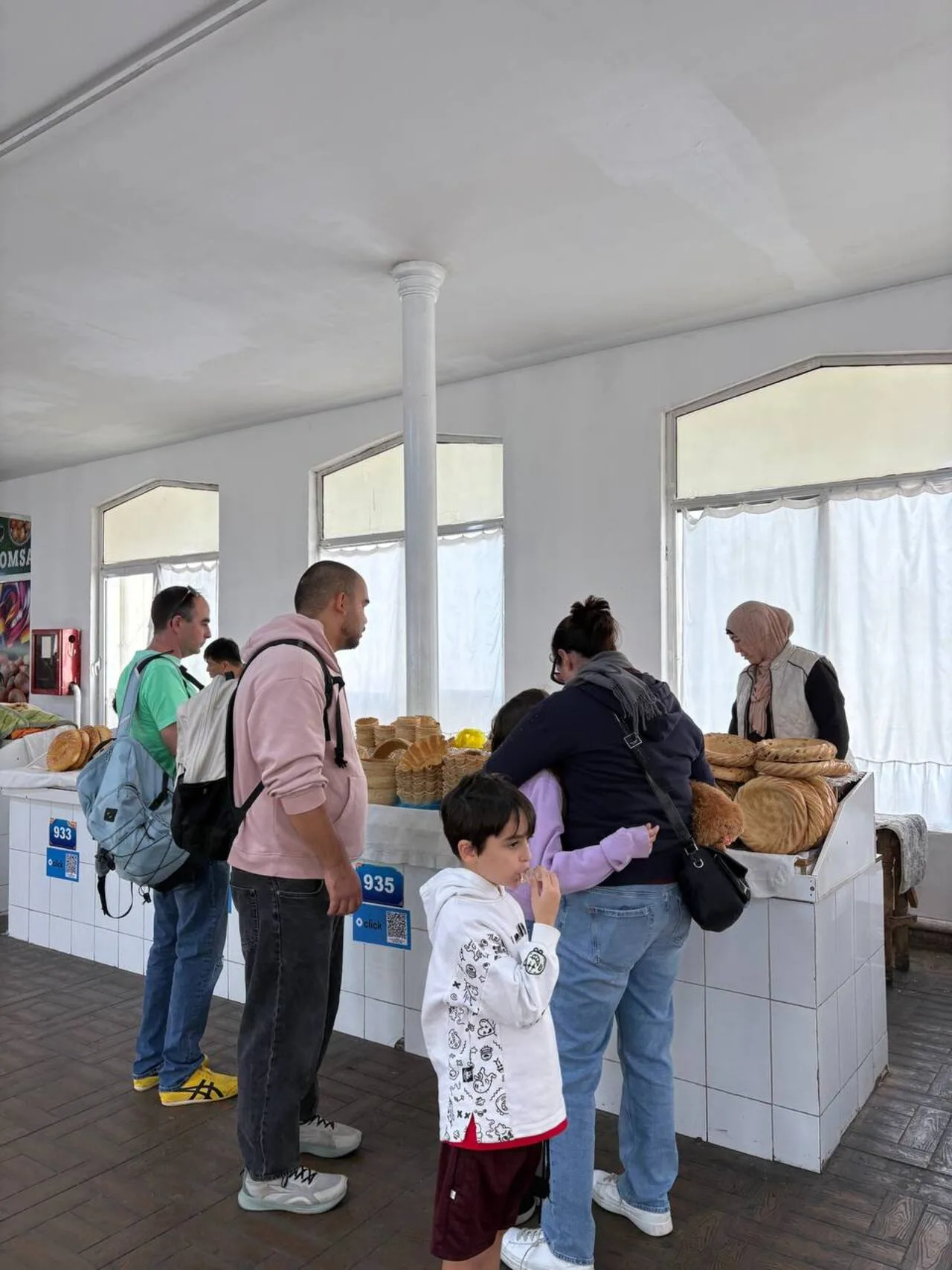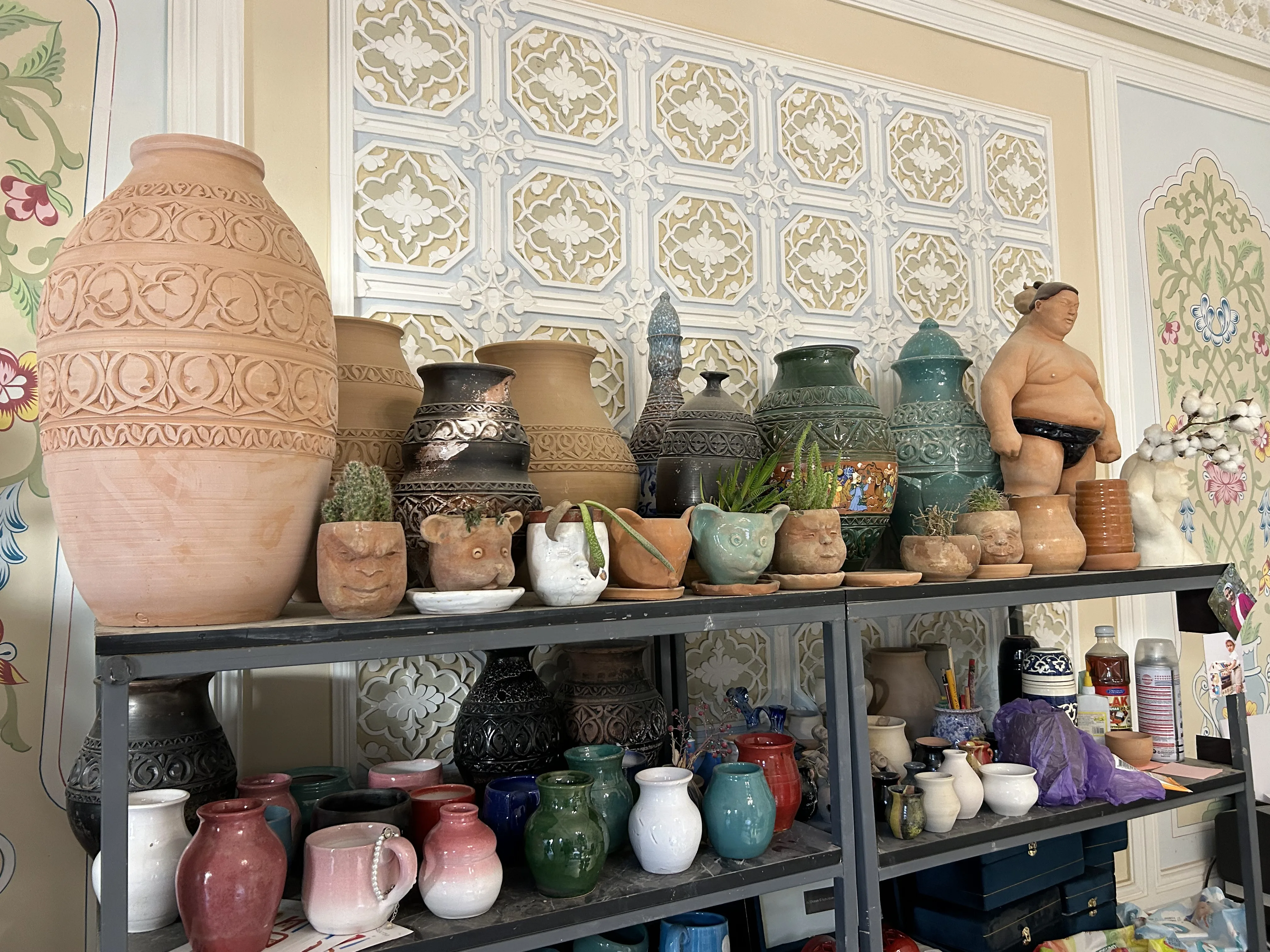
Uzbekistan, a crossroads of the ancient Silk Road, has nurtured one of the world’s richest ceramic traditions for more than two millennia. From the turquoise domes of Samarkand to the intricate pottery of Rishtan, Uzbek ceramics represent a perfect fusion of history, craftsmanship, and vibrant cultural identity.
Origins of the Craft
Archaeological findings show that ceramic production in Central Asia dates back over 2,000 years. Early artisans created simple household vessels, but as trade flourished along the Silk Road, local masters began integrating Persian, Chinese, and Arab influences into their designs.
Distinct Regional Styles
Uzbek ceramics are known for their regional diversity, each area developing a unique aesthetic:
Rishtan (Fergana Valley) Famous for its bright blue ishkor glaze, Rishtan pottery features floral and geometric motifs inspired by nature.
Gijduvan (Bukhara Region) Known for earthy tones, strong patterns, and bold symbolism. The Gijduvan school preserves ancient techniques passed down through family generations.
Khiva & Khorezm Characterized by deep turquoise and white colors, often used for architectural tiles that decorate palaces and madrasas.
Samarkand A blend of influences, combining traditional Uzbek motifs with Timurid artistic heritage.
The Magic of Ishkor Glaze
One of the most distinctive features of Uzbek pottery is the ishkor glaze, made from a desert plant. This natural glaze gives ceramics their signature blue-green tones, unmatched anywhere else in the world.
Symbolism and Design
Uzbek ceramic patterns are more than just decoration—they carry cultural meaning:
Pomegranate — abundance and life
Birds — freedom and happiness
Spirals and vines — growth and eternity
These motifs reflect the values and spiritual beliefs deeply woven into Uzbek culture.
A Living Tradition
Today, Uzbekistan’s ceramic heritage continues to thrive. Families of master potters in Rishtan, Gijduvan, and Khorezm preserve centuries-old methods while introducing modern interpretations. Workshops, museums, and artisan markets across the country allow visitors to explore and purchase authentic handmade pieces.
A Legacy of Beauty
With its vivid colors, symbolic patterns, and refined craftsmanship, Uzbek ceramics remain a powerful symbol of national identity and cultural pride. This 2,000-year-old art form continues to inspire artists, delight travelers, and connect the present with the Silk Road’s majestic past.
About the author
Julia Drzymała
Polish creative director and cultural storyteller. Co-founded CraftnCulture in 2024 to connect Uzbekistan's master artisans with travelers worldwide.