Хлопковые поля, о которых никто не рассказывает
Автобус из Самарканда грохотал четыре часа через поля, которые я сначала не могла определить. Не пшеница. Не рис. Хлопок. Бесконечная белизна на коричневой земле, и ни одной туристической группы.
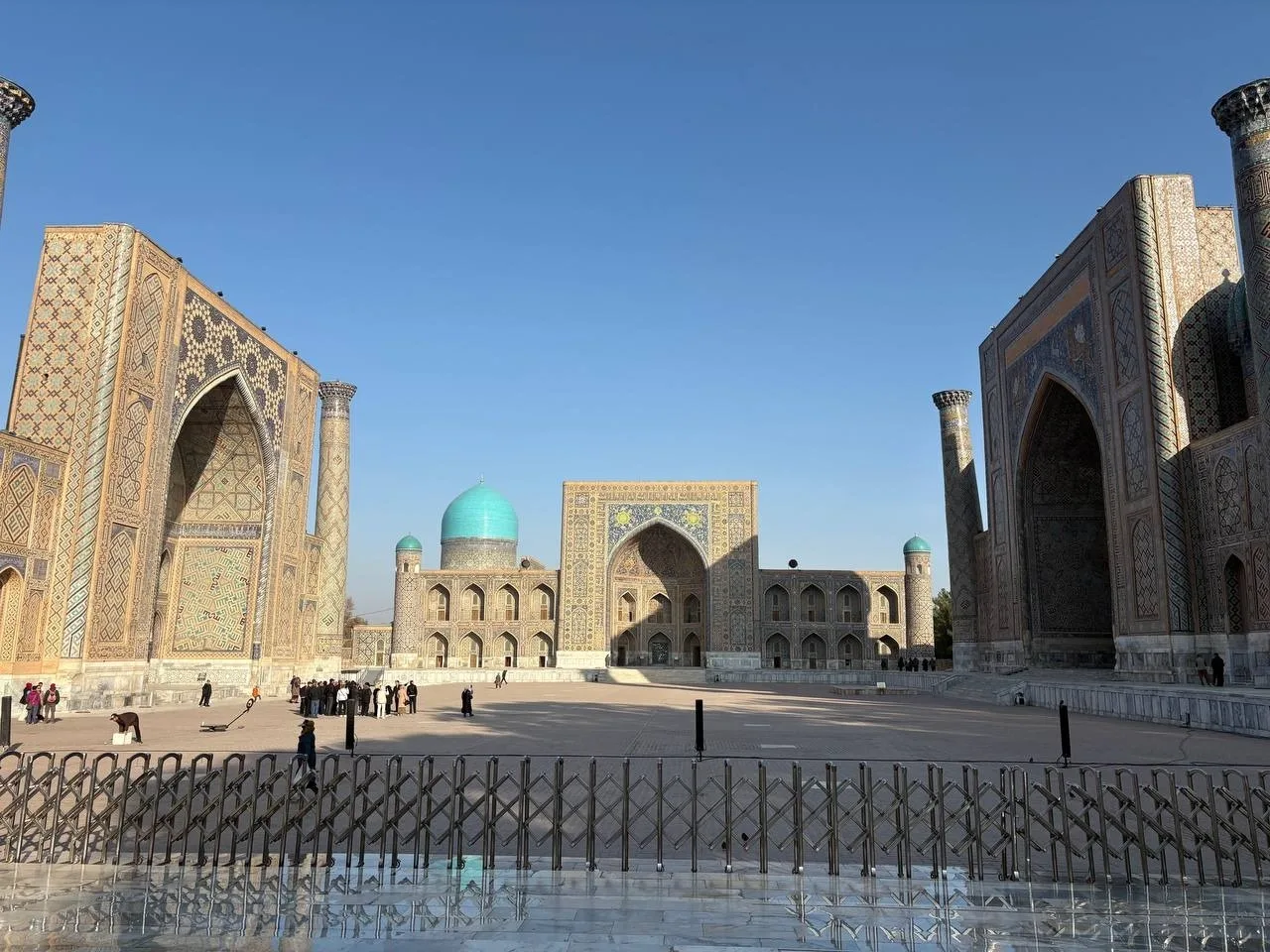
Я попала в Кашкадарьинскую область случайно - пропущенная пересадка в Карши превратилась в три дня, которых я не планировала. Никаких объектов ЮНЕСКО здесь нет. Никаких голубых куполов, которые вы видели в Инстаграме. Просто хлопковая страна и люди, построившие свою жизнь вокруг неё.
Кашкадарьинская область редко появляется в путеводителях. Её упоминают как транзитную точку между Самаркандом и Термезом, или как "хлопководческий регион" в экономических отчётах. Чего отчёты не говорят: хлопок здесь - не просто сельское хозяйство. Это основа выжившей ремесленной экономики, которую большинство туров полностью пропускают.
Как я здесь оказалась
10-дневное путешествие CraftNCulture по малоизвестным регионам Узбекистана включает две ночи в Карши, столице области, именно потому, что большинство туров этого не делают. Маршрут обещал ремесленные сообщества, не затронутые туристической инфраструктурой - максимум восемь путешественников, без представлений, без шоу.
Я записалась скептически. "Нетронутый" обычно означает "недоступный" или "разочаровывающий". Но размер группы имел значение: в автобусе на сорок человек вы фотографируете ремесленников. В группе из восьми вы сидите с ними.
Само ремесло
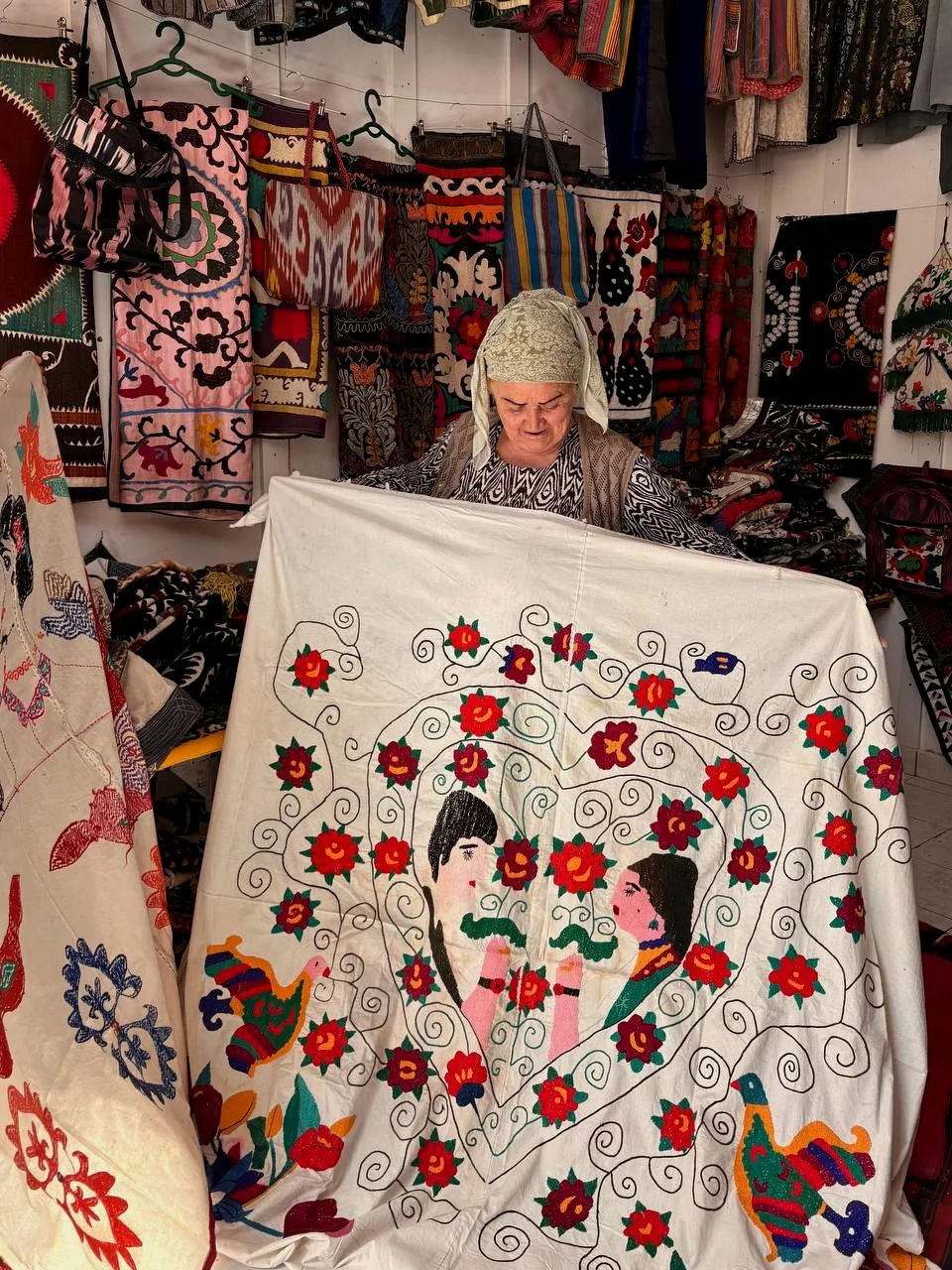
Ремесленная экономика Кашкадарьи не отделена от хлопка - она построена на нём. Текстильные мастерские в Гузаре и Китабе не импортируют нитки. Они прядут их сами, от сырого волокна до готовой сузане в том же дворе.
Махбуба, вышивальщица в третьем поколении из Китаба, провела меня через всю свою цепочку поставок за двадцать минут. Хлопок пришёл с фермы её брата, в сорока километрах к югу. Натуральные красители - скорлупа грецкого ореха, кожура граната, индиго - пришли из сада соседки. Рама, на которую она натягивала ткань, была из кедра, срубленного её мужем.
Это не романтический примитивизм. Это экономическая реальность в регионе, где логистика цепочки поставок всё ещё благоприятствует местному над импортным. Вы не везёте синтетические нитки, когда ваш двоюродный брат выращивает сырьё.
Что я на самом деле почувствовала
Мастерская не была живописной. Бетонный пол, флуоресцентные лампы, стойкий запах химических красителей, смешанный с пылью сырого хлопка. Руки Махбубы были окрашены тёмно-коричневым до запястья - орех не смывается легко, сказала она и засмеялась, когда я спросила, не мешает ли ей это. Почему должно мешать? Пятна означают, что она работает.
Она не учила меня вышивке за два часа. Она учила меня продевать нитку в иглу хлопковой нитью толще, чем всё, что я использовала раньше, и завязывать узел, который не соскользнёт при натяжении. Нить цеплялась за мозоли, о которых я не знала. Я сделала четыре стежка. Они были кривыми.
Она поправила натяжение первого, ничего не говоря - просто протянула руку и потянула нить крепче, затем жестом предложила продолжить. Второй стежок я слишком затянула сама. Третий был лучше. Четвёртый снова походил на первый.
Что осталось со мной, была не сузане (она закончила её сама после моего отъезда и отправила в мой отель в Ташкенте). Это было её деловое объяснение, почему она всё ещё этим занимается: хлопковая экономика здесь рухнула после распада Советского Союза, но навыки нет. Люди продолжали делать нитки, красить их, вышивать, потому что знание уже было встроено в их руки, а не в какой-либо рынок. Теперь туризм просачивается медленно, и она снова учит - не потому что это хорошо оплачивается, а потому что кто-то наконец хочет учиться.
Почему важны малые группы
В группе из двадцати человек я бы наблюдала, как Махбуба демонстрирует десять минут, купила бы что-то с её стола и пошла дальше. В группе из восьми мы остались на три часа. Она показала нам весь процесс - чесание, прядение, окрашивание, вышивку - и рассказала о пятнадцатилетнем промежутке, когда никто не покупал сузане, и она работала на хлопкоперерабатывающем заводе.
Знание живёт в пробелах между демонстрацией и разговором. Вы не получаете эти пробелы в больших группах.
Почему Кашкадарья, а не Самарканд
Ремесленники Самарканда - профессионалы. Они хороши в том, что делают, и привыкли к туристам. Ремесленники Кашкадарьи - выжившие. Они сохранили свои ремёсла через экономический коллапс не потому, что это было прибыльно, а потому, что это было то, что они знали.
Разница проявляется в том, как они учат. Самаркандские мастерские отполированы, эффективны, разработаны для групп. Мастерские Кашкадарьи - это чьё-то реальное рабочее пространство, и вы сидите там, где обычно сидят они. Ремесло то же самое. Контекст - нет.
С чем вы уходите
Я ушла с сузане, которую не закончила, четыре кривых стежка видны в углу, который Махбуба не распорола. Она могла бы переделать их - это заняло бы у неё тридцать секунд - но оставила их намеренно. "Чтобы ты помнила," сказала она. Я помню.
Я ушла с пальцами, окрашенными орехом, которые выцветали неделю, и странной мышечной болью между большим и указательным пальцем от удержания натяжения нити в течение трёх часов. Я ушла с конкретным воспоминанием о весе хлопковой нити между пальцами, толще и грубее, чем я ожидала, совсем не похожей на тонкую нить для вышивания, которую я использовала раньше.
Я ушла с желанием вернуться, не чтобы увидеть больше, а чтобы снова посидеть с Махбубой и выучить следующий шаг, на который у меня не было времени. Не потому что опыт был романтичным. Потому что знание было настоящим, и она была готова им делиться, и двух часов было недостаточно.
10-дневный тур CraftNCulture по малоизвестным регионам проходит с апреля по октябрь, $1,890 USD, максимум восемь путешественников. Две ночи в Карши, мастерские в Гузаре и Китабе, без представлений. Бронируйте на craftnculture.uz.
About the author
CraftnCulture
The CraftnCulture editorial team — Tashkent-based cultural tourism specialists covering Uzbekistan travel, artisan crafts, and Silk Road heritage.