Шагните на базар Чорсу в Ташкенте — и ваши чувства окажутся там раньше вас. Голубой купол рынка возвышается над лабиринтом прилавков, торговцы выкрикивают цены, а между рядами стелется дымок зиры и жареной баранины. Гастрономический тур по базару Чорсу в Ташкенте — самый быстрый способ понять аппетит города: не как музейный экспонат, а как живую, шумную, шипящую часть повседневности. Здесь закупаются узбекские повара, бабушки торгуются за абрикосы, и любой путешественник, которому интересна местная уличная еда, должен провести здесь хотя бы одно неспешное утро.
Почему Чорсу выделяется на гастросцене Ташкента
Большинство столичных рынков выглядят отрепетированно. Чорсу — нет. Базар на протяжении веков остаётся главным продуктовым центром Ташкента, закрепляя Старый город между Хаст-Имамом и одноимённой станцией метро. Купол советской эпохи 1980-х годов дарит ему открыточный вид, но торговля под ним куда древнее — продолжение Шёлкового пути, когда-то связывавшего Ташкент с Samarkand и Bukhara. В итоге это рынок, где тарелка плова за 4 доллара стоит в нескольких метрах от шафрана за 400, и оба чувствуют себя одинаково уместно. Для настоящего гастротура по рынку специй в Центральной Азии без него не обойтись.
Купол специй: где запах настигает первым
Внутренний купол отдан продавцам специй и сухих товаров, и почти всегда это первая остановка организованного гастротура. Горки зиры, куркумы, сушёного барбариса, сумака и узбекского чёрного изюма уложены пирамидами, которые перекладывают каждое утро. Продавцы щедры на пробы — ждите, что вам сунут кусочек козинаков, дадут понюхать свежей асафетиды или насыплют щепотку шафрана с Аральского побережья. Цены торгуются, но без агрессии, и большинство продавцов взвесят 50 грамм, если хочется только попробовать дома. Спрашивайте зиру по названию — это душа узбекского плова и аромат, который вы будете слышать на каждом мангале города.
Продукты, соленья и сезонный ритм
Открытые ряды огибают купол и меняются вместе с календарём. Поздняя весна приносит горы клубники из Ферганской долины и первые черешни из Паркента. К середине лета верх берут дыни — сладкие сорта мирзачуль, сложенные пушечными ядрами. Осень — это гранаты, хурма и грецкие орехи ещё в зелёной шкурке. Не пропустите ряд солений и заготовок: банки маринованного чеснока, ферментированных томатов и кислого вишнёвого компота — недооценённые герои узбекского стола. Короткий список того, что стоит купить или попробовать по пути:
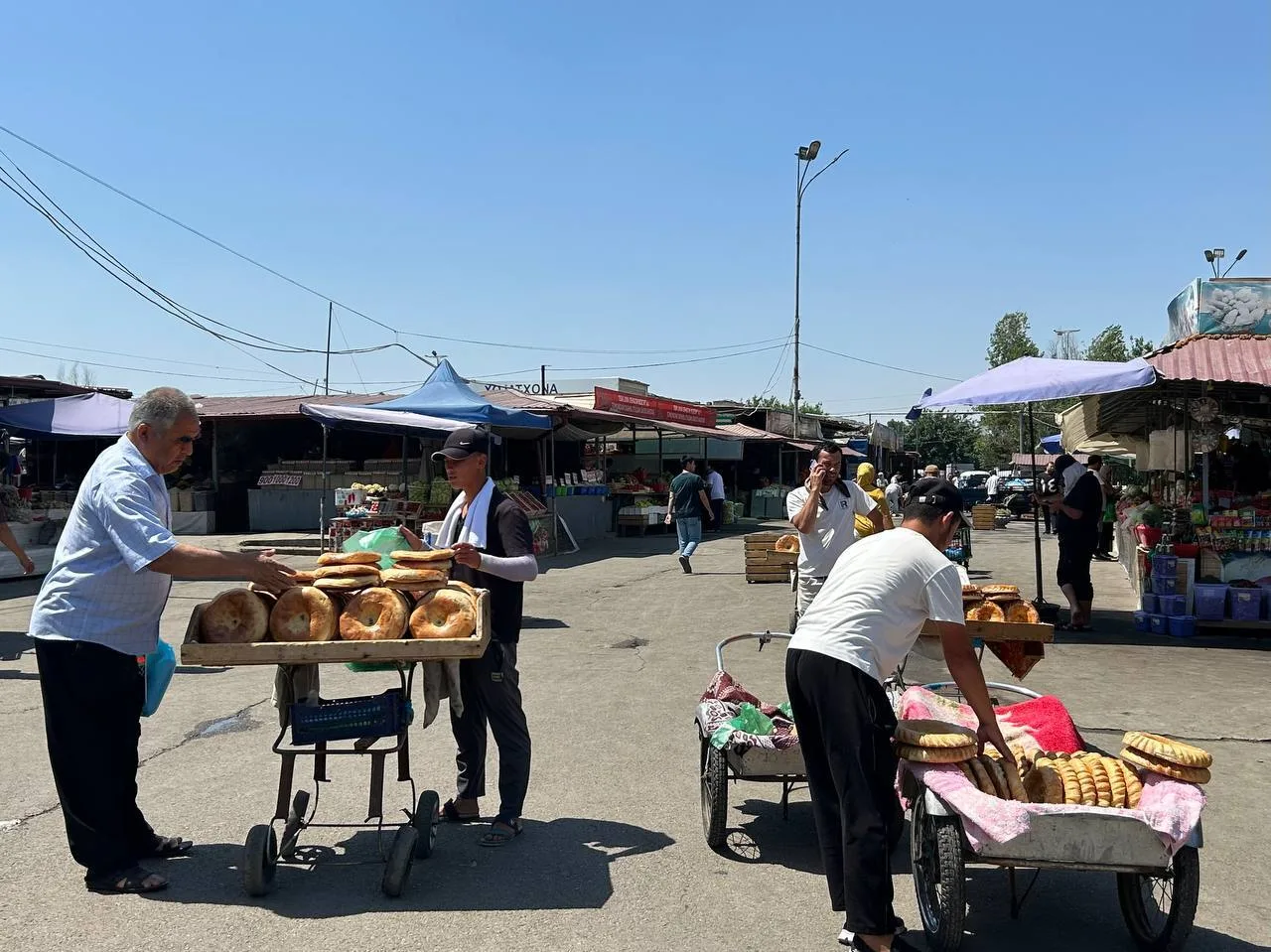
- Лепёшка нон прямо из тандыра, лучше всего в течение часа после выпечки
- Курага и грецкие орехи на развес, килограммами
- Халва в кунжутном, подсолнечном и фисташковом вариантах
- Курт — солёные шарики ферментированного йогурта, вкус на любителя, но запоминающийся
- Свежая самса из печи на внешнем кольце купола, с бараниной или тыквой
Где поесть и не заблудиться
Раздел готовой еды расположен на южной стороне базара — крытый проход с мангалами и казанами, который местные называют рядом ошхана. Именно здесь гастротур перестаёт быть шопингом и превращается в обед.
Прилавки, у которых стоит притормозить
Ищите казан плова с самой длинной очередью в 11 утра — это самая свежая партия дня, и к двум её разбирают. Лагманщики тянут лапшу на глазах, превращая тесто в длинные жгуты, прежде чем опустить в бараний бульон. Парильщики манты складывают бамбуковые лотки в четыре яруса; обычно порция — четыре пельмешка, как раз перекус с зелёным чаем. На гриль-фронте стойки с шашлыком разжигают угли с рассвета, а вариант из бараньих рёбер — то, что чаще всего заказывают завсегдатаи Ташкента.
Советы для удачного визита
Приходите голодными, рано и с мелкими купюрами — большинство торговцев не принимают карты, а размен 100 000 сум вызовет вздох. Утро с 9 до 11 — самое спокойное время; выходные после полудня действительно перегружены. Носите закрытую обувь — мокрые ряды мясных и рыбных секций не для сандалий. Пара слов на узбекском или русском пригодятся: рахмат (спасибо) и qancha? (сколько?) приносят улыбку и иногда небольшую скидку. Если страшно ориентироваться в одиночку, экскурсия с местным гидом по гастротуру специй превратит три сумбурных часа в один вкусный.
Чорсу вознаграждает тех, кто относится к нему как к трапезе, а не к чек-листу. Если хотите пройтись с тем, кто знает, какой казан плова сегодня вторничный лучший, — или совместить базар с практическим мастер-классом по сюзане, керамике или ташкентской домашней кухне — небольшие группы CraftnCulture вплетают рынок в более широкий вкус Узбекистана. Приходите за специями, оставайтесь ради людей за ними.
Ссылки
About the author
CraftnCulture
The CraftnCulture editorial team — Tashkent-based cultural tourism specialists covering Uzbekistan travel, artisan crafts, and Silk Road heritage.