Спрятанные между пустынями центрального Узбекистана и предгорьями, поднимающимися к Тянь-Шаню, горы Нуратау — одно из самых тихих и вознаграждающих мест для отдыха в Центральной Азии. Пока большинство путешественников устремляются к изразцовым куполам Samarkand и Bukhara, всё больше людей едут на север, к этим холмистым, выжженным солнцем хребтам, в поисках чего-то более медленного и настоящего. Здесь юртовый кемпинг в Узбекистане — это не постановочная фотосессия, а живая традиция, и регион незаметно стал образцом эко-туризма в Центральной Азии, в центре которого остаются горные сообщества.
Где находятся горы Нуратау
Хребет Нуратау тянется к востоку от города Нурата, примерно в четырёх часах езды от Samarkand. К югу лежит пустыня Кызылкум и знаменитые юртовые лагеря у озера Айдаркуль; к северу — охраняемые склоны биосферного заповедника Нуратау-Кызылкум. Эта встреча пустыни и гор создаёт поразительный пейзаж из ореховых рощ, питаемых родниками деревень и горных хребтов, усеянных пасущимися овцами. Здесь также обитает редкий горный баран Северцова — одна из причин, по которой заповедник десятилетиями привлекает внимание защитников природы.
Большинство гостей останавливаются в таких деревнях, как Хаят, Сентяб или Асраф, где семейные гостевые дома заменили безликие отели. Ритм неспешный: утренний чай на тенистом топчане, прогулка к горному роднику, послеобеденная выпечка хлеба вместе с хозяевами.
Юртовый кемпинг и горные ретриты как они есть
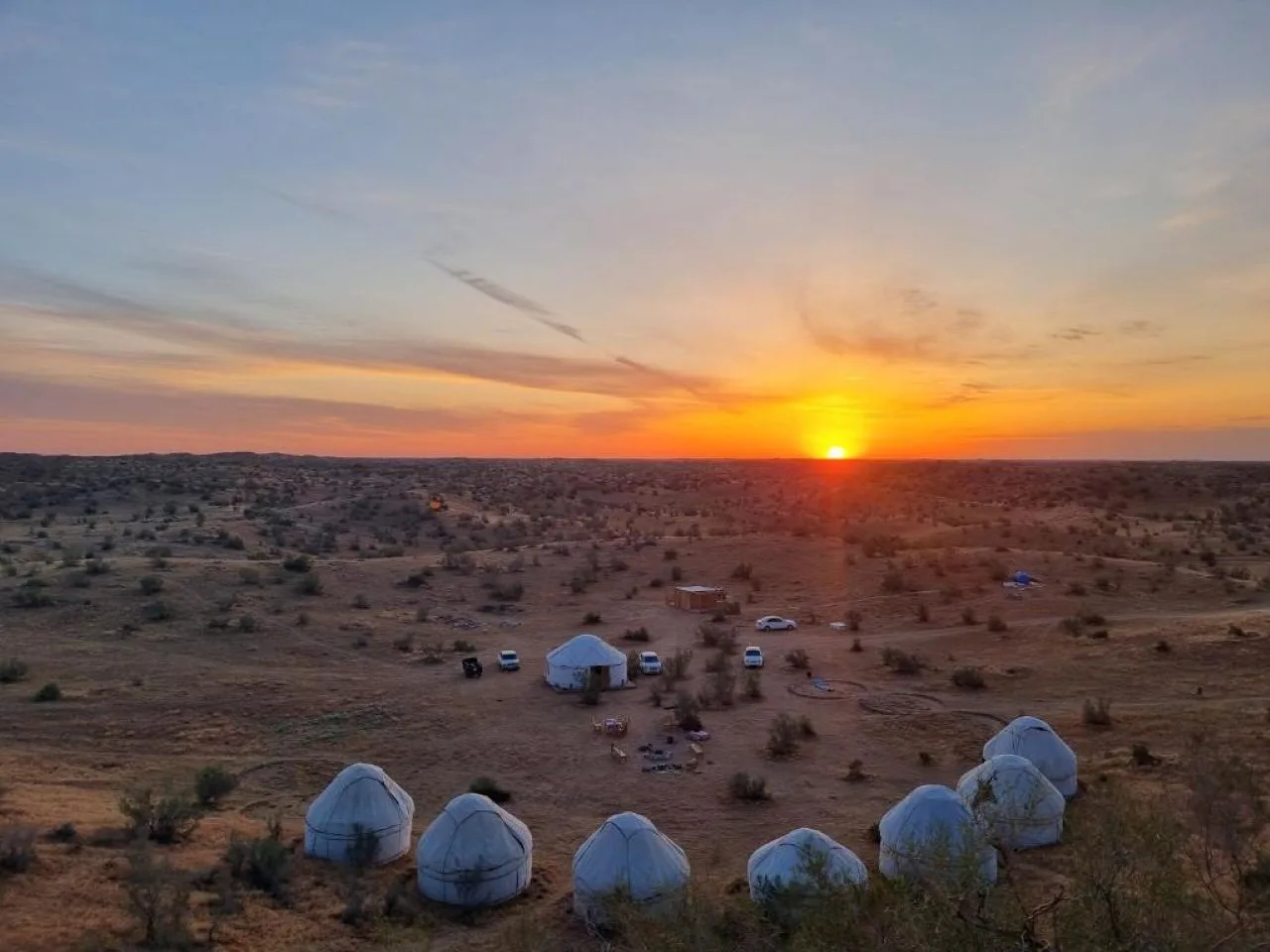
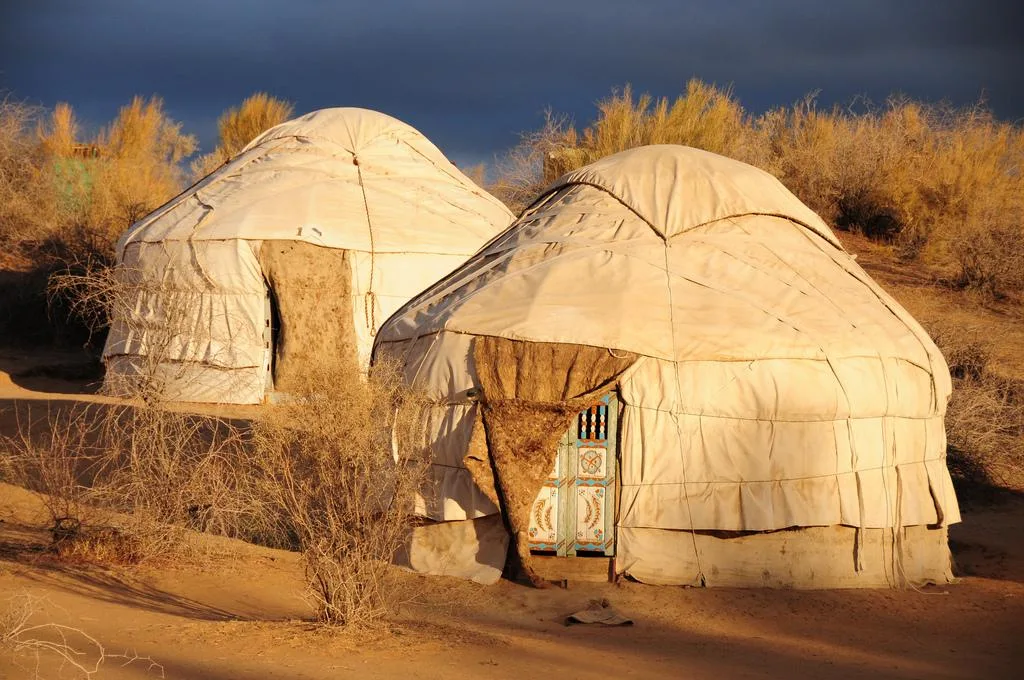
Есть два разных опыта, которые путешественники часто совмещают. Пустынные юртовые лагеря у Айдаркуля предлагают классическое проживание в круглой войлочной палатке под огромным небом, часто в сочетании с поездкой на верблюде и вечером народной музыки у костра. В горах акцент смещается к горным ретритам в формате проживания в семье, где вы спите в деревенском доме и едите то, что выращивает семья.
Что делает такое пребывание значимым — это модель, стоящая за ним. Доход идёт напрямую семьям, принимающим вас, а сеть общинного туризма координирует бронирования, чтобы ни одна семья не была перегружена. Такая структура сохраняет аутентичность опыта и оставляет выгоды на местах.
Типичный маршрут по Нуратау может включать:
- Ночь в пустынной юрте у озера Айдаркуль с наблюдением за звёздами под открытым небом
- Сопровождаемый поход по хребту через ореховые и можжевеловые рощи
- Обед из домашнего плова и свежего хлеба из тандыра с принимающей семьёй
- Посещение родникового комплекса Чашма в Нурате, связанного с местной легендой
- Послеобеденное знакомство с вышивкой сюзане или традиционным валянием войлока
Почему этот регион определяет эко-туризм в Центральной Азии
Устойчивое путешествие может быть расплывчатым маркетинговым словом, но в предгорьях Нуратау оно несёт конкретный смысл. Биосферный заповедник ограничивает застройку, гостевые дома используют местные материалы и сезонную еду, а число посетителей остаётся достаточно низким, чтобы деревни сохраняли свой характер. Выбор проживания в семье вместо курорта означает, что ваши деньги поддерживают водные проекты, школьные принадлежности и содержание троп, а не далёких акционеров, которые никогда не ступали в эту долину.
Советы для путешествия с минимальным воздействием
Берите многоразовые бутылки для воды, поскольку с пластиковыми отходами в отдалённых деревнях справиться трудно. Одевайтесь скромно из уважения к консервативным сельским хозяевам, выучите несколько слов на узбекском и всегда спрашивайте разрешения, прежде чем фотографировать людей. Весна (апрель–май) и осень (сентябрь–октябрь) приносят самые комфортные температуры, тогда как летние дни могут быть изнуряющими на открытых склонах. Бронирование через признанного оператора общинного туризма гарантирует, что ваш визит действительно дойдёт до семей, которые открывают вам свои дома.
Сочетание Нуратау с классическим маршрутом Шёлкового пути
Поскольку Нурата находится между Samarkand и Bukhara, горы аккуратно вписываются в более широкий маршрут по Узбекистану. Многие путешественники проводят два-три дня среди юрт и деревень как восстанавливающую паузу между архитектурной перегруженностью Регистана и лабиринтом старых улочек Bukhara. Контраст и есть смысл: от величия имперских памятников до простой щедрости горной кухни — и всё это в нескольких часах езды друг от друга.
Если идея сменить гостиничное лобби на освещённую звёздами юрту и общий котёл плова вам по душе, горы Нуратау вознаградят за этот крюк. В CraftnCulture мы любим связывать любознательных путешественников с принимающими сообществами и ремесленниками, которые делают подобные впечатления возможными, чтобы вы могли исследовать эко-туризм и живые ремёсла региона так, чтобы это давало столько же, сколько и берёт.
Источники
About the author
CraftnCulture
The CraftnCulture editorial team — Tashkent-based cultural tourism specialists covering Uzbekistan travel, artisan crafts, and Silk Road heritage.