Bukhara's Old City is a 2,500-year-old maze where every lane tells a story. Most travelers see Po-i-Kalyan and Lyabi-Hauz, then move on to the next city. But the real Bukhara — the one locals know — lives in the residential mahallas, in the dust-and-dye smell of working bazaars, and in trading domes that have hosted merchants since the 16th century. Spend three days exploring Bukhara neighborhoods on foot, and you'll understand why this city remains one of Central Asia's great Silk Road survivors.
Start at the Trading Domes (Toqi)
Three covered bazaars anchor Old City exploration: Toqi Zargaron (jewelers), Toqi Telpak Furushon (cap-makers), and Toqi Sarrafon (money-changers). Built in the 1500s, these vaulted brick crossroads still function as historic bazaars where craftsmen work in the same stalls their grandfathers used. Inside Toqi Telpak Furushon, look for embroidered tubeteika caps, miniature painters, and woodcarvers shaping spice boxes from walnut. Prices climb closer to Lyabi-Hauz; for fairer rates, walk an extra fifty meters off the main axis.
Wander the Jewish Quarter
Tucked east of Lyabi-Hauz, Bukhara's old Jewish Quarter is one of Central Asia's most layered residential districts. Its narrow lanes hide the 17th-century Magoki-Attori Mosque (built atop a Zoroastrian temple), small carpet workshops, and family-run guesthouses inside restored merchant homes. The community has shrunk to a handful of families, but synagogues, schools, and the kosher cemetery remain. Walk slowly, keep voices low, and ask before photographing courtyards.
Where the Old City Meets Daily Life
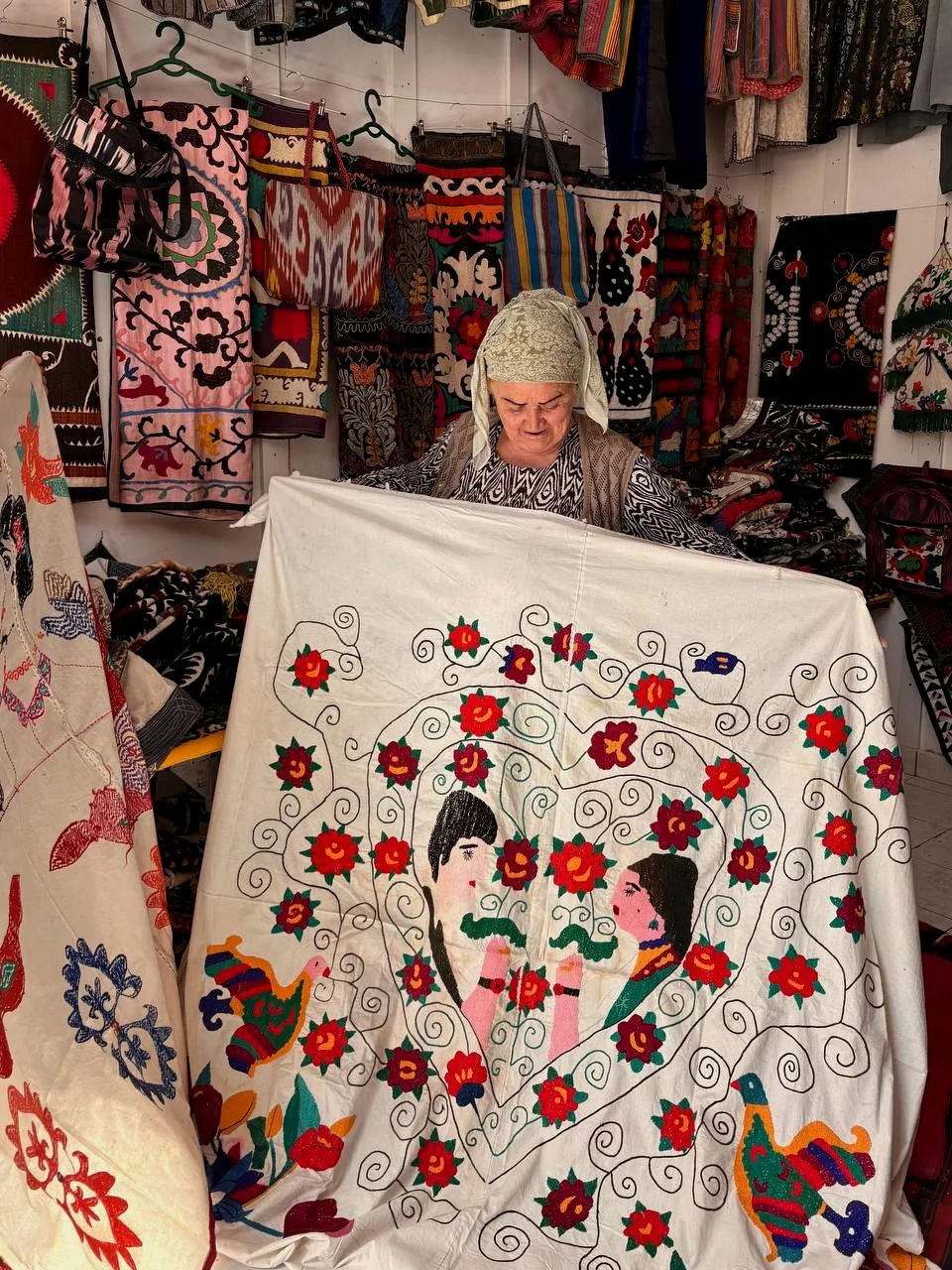
A few blocks north of the Jewish Quarter sits the Hoja Nurabad neighborhood — a working mahalla where children play in lanes barely wide enough for a Lada. This is where you see what Bukhara looked like before tourism: tandir bread baked at dawn, tea drunk on shaded sufa platforms, and grandmothers stitching suzani in doorways. Don't enter private courtyards uninvited, but a polite "Assalomu alaykum" usually gets a smile.
Track Down the Working Bazaars
Tourist bazaars sell suzani and silk; the working bazaars feed the city. Three are worth the detour:
- Kolkhozny Bazaar — local produce, dried apricots, raw honey, fresh non bread.
- Khoja Nurabad market — household goods, spices by the kilo, tin teapots.
- Sarrafon side-streets — knife sharpeners, cobblers, and cobbled-together repair stalls.
Go before 10 a.m. when stalls are full and traders are talkative. Bring small som notes; few sellers carry change for 100,000-som bills.
Find the Hidden Madrasas
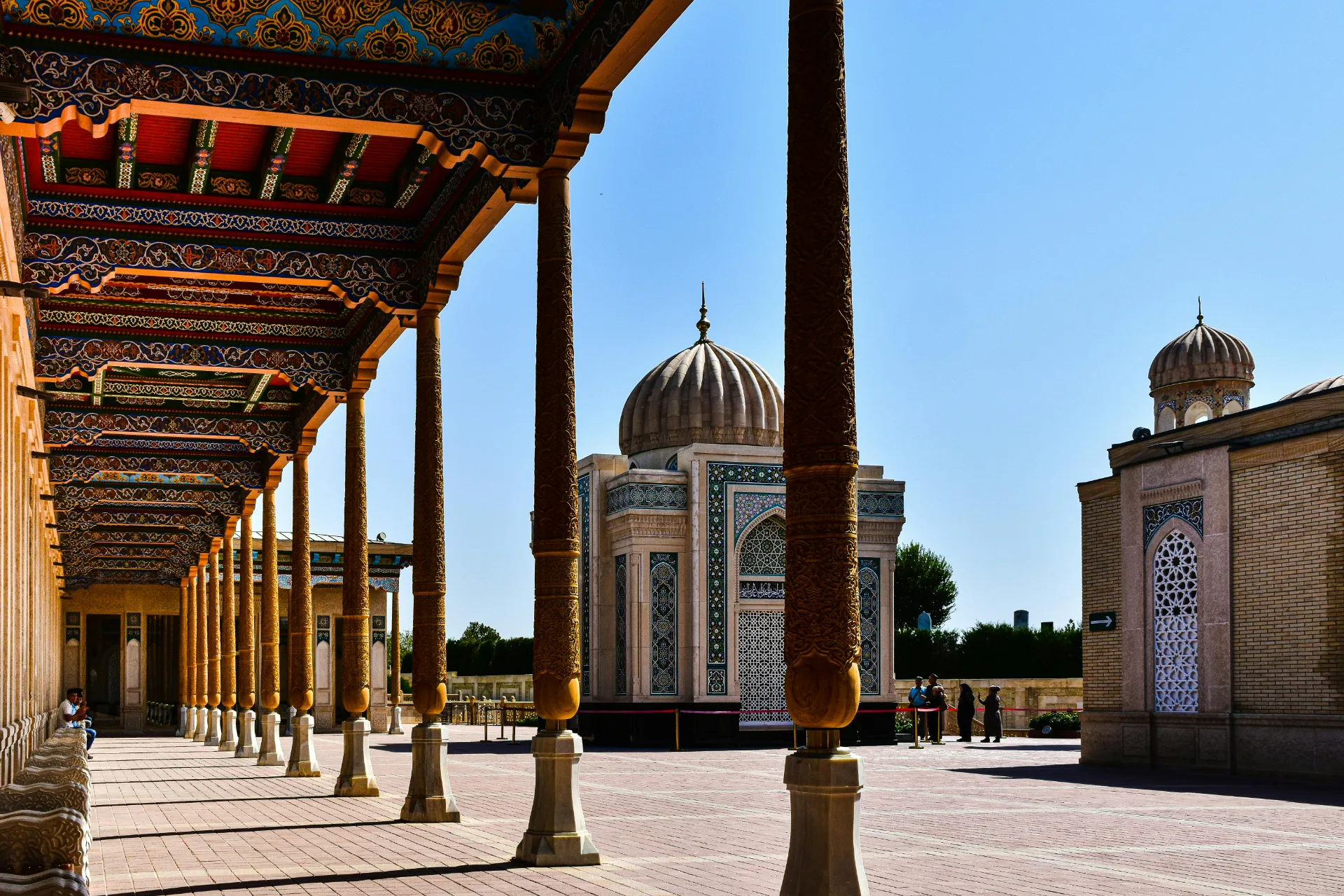
Beyond the famous Mir-i-Arab and Ulugh Beg madrasas, Old City exploration rewards detours into smaller schools repurposed as workshops. Chor Minor — the four-towered gateway northeast of the center — still feels like a private discovery, even on busy days. Nearby, Abdulaziz Khan Madrasa houses miniature painters and contemporary ceramicists working in the same cells where students once memorized the Quran. Entry is usually free if you're willing to browse.
Eat Where the Locals Eat
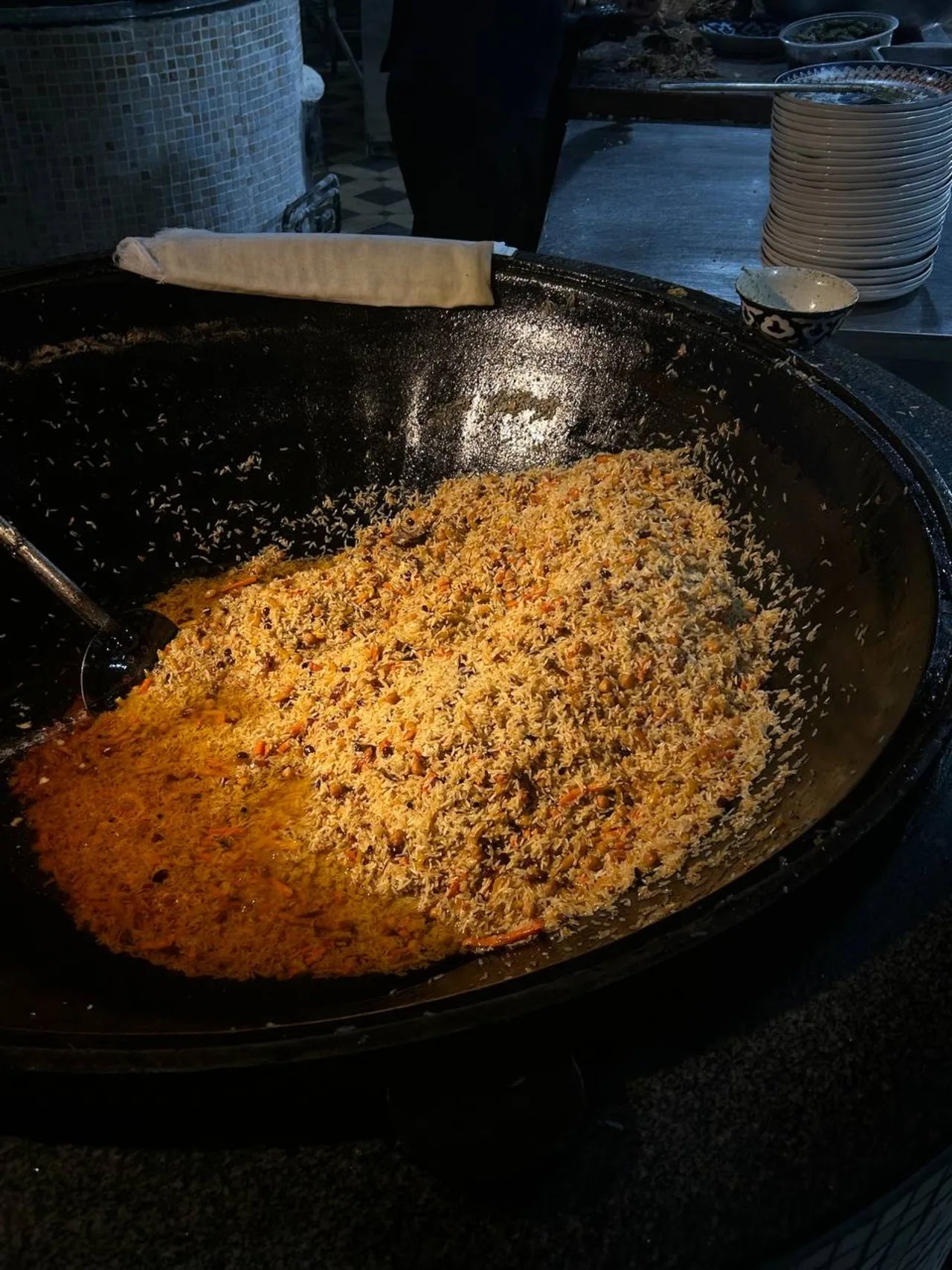
Skip the touristic plov canteens around Lyabi-Hauz. Instead, find Chorba Hosa Restaurant for Manti and Shashleek, or follow the smell of fresh somsa from any neighborhood tandir oven. For tea and conversation, the chaikhanas tucked along Khakikat Street fill with elders by mid-afternoon — order green tea, point at the bread, and stay an hour. Breakfast at your guesthouse is usually included; lunch is best taken late, around 2 p.m., when the day's heat eases.
How to Plan Your Walks
Bukhara's Old City is small enough to cover on foot in two long days. Stay inside the historic core (most boutique hotels are restored caravanserais or merchant homes), bring water, and wear shoes that handle uneven cobblestones. Mornings are cooler and quieter; late afternoons turn golden against the brickwork. Friday evenings bring the locals out — mosques empty, bazaars hum, and Lyabi-Hauz fills with families. For longer stays, base yourself at a converted caravanserai near Lyabi-Hauz — most include rooftop terraces with sunset views over the city's domes.
If a single guidebook morning isn't enough, CraftnCulture's small-group walks pair you with Bukhara-born guides who open the courtyard doors and bazaar back-rooms most travelers never reach. Whether you want a half-day neighborhood walk or a multi-day craft-focused itinerary across Samarkand, Bukhara, and Khiva, exploring with someone who grew up in these mahallas makes the city feel less like a museum and more like the home it still is.
References
About the author
CraftnCulture
The CraftnCulture editorial team — Tashkent-based cultural tourism specialists covering Uzbekistan travel, artisan crafts, and Silk Road heritage.