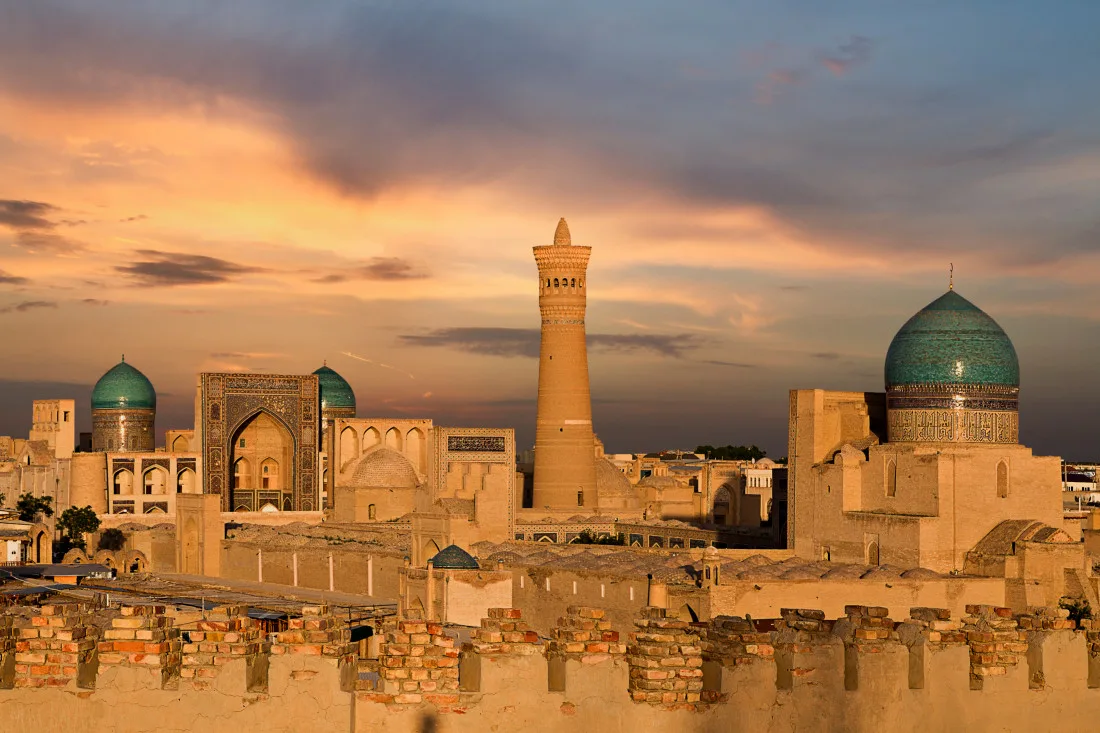
Задолго до того, как Бухара превратилась в открытку с бирюзовыми куполами и тихими караван-сараями, она была одним из величайших центров мысли средневекового мира. С девятого по двенадцатый век этот город-оазис на средневековом Шёлковом пути стал притягателен для богословов, врачей, математиков и астрономов. Учёные Бухары, которые учились и преподавали здесь, помогли сформировать интеллектуальную жизнь всего мусульманского мира, и сегодня их наследие — одна из самых вдохновляющих причин приехать сюда.
Город, построенный на знании
К тому времени, когда династия Саманидов сделала Бухару своей столицей в десятом веке, город соперничал с Багдадом и Кордовой как центр учёности. Его библиотеки были легендарны. Молодой энциклопедист Ибн Сина, известный на Западе как Авиценна, описывал, как получил доступ к царской библиотеке Саманидов и читал собрания, которых не мог найти больше нигде. Богатство от торговли на Шёлковом пути финансировало бумажные мастерские, переписчиков и покровительство, позволявшее учёным посвящать жизнь учёбе, а не простому выживанию.
Двигатель Саманидов
Саманиды понимали, что престиж проистекает из учёности не меньше, чем из армий. Они приглашали ко двору грамматиков, правоведов и учёных, учреждали преподавательские должности и пополняли свою библиотеку рукописями, собранными со всего исламского мира. Возникший обмен идеями превратил Бухару в место, где пытливый ум мог найти учителя почти в любой области, и куда студенты приезжали из таких далёких краёв, как Хорасан и Индия, чтобы учиться у признанных мастеров.
Учёные, прославившие Бухару
Несколько фигур принесли городу его непреходящую славу. Имам аль-Бухари, родившийся здесь в девятом веке, составил «Сахих аль-Бухари», который во всём суннитском мире считается одним из самых авторитетных сборников хадисов. Авиценна заложил основы трудов, которые преподавались в европейских университетах шестьсот лет. Богословы, чтецы Корана и математики, обучавшиеся в Бухаре, разнесли её методы по Персии, Индии и Анатолии.
Город выделяло не отдельное дарование, а система, которая их порождала: богатые библиотеки, учреждённые преподавательские места и культура, в которой спор считался гражданской добродетелью.
Медресе: где учёность обрела архитектурную форму
Медресе — учебное заведение с проживанием — это самое заметное научное наследие Бухары. Прогуливаясь сегодня по старому городу, вы всё ещё можете зайти во дворы, где когда-то студенты заучивали тексты и спорили о тонкостях права. Несколько из них особенно интересны путешественникам, увлечённым этой историей:
- Медресе Мири-Араб, действующее и поныне, напротив великого минарета Калян.
- Медресе Улугбека, построенное королём-астрономом и старейшее в Центральной Азии.
- Медресе Абдулазиз-хана, знаменитое роскошной внутренней изразцовой отделкой.
- Чор-Минор, причудливые четырёхбашенные ворота исчезнувшего медресе.
Каждое вознаграждает неспешный взгляд: каллиграфия, сталактитовые своды-мукарнас и прохладные дворы, окружённые кельями, — всё было задумано, чтобы сосредоточить ум.
Почему это важно для образовательного туризма
Бухара переживает тихое возрождение как направление образовательного туризма. Путешественникам всё чаще нужны не только памятники — им нужен контекст. Экскурсии с гидом, которые соединяют медресе с историями наполнявших их учёных, превращают остановку для фотографии в подлинную встречу с интеллектуальной историей. Для всех, кто интересуется историей науки, исламской цивилизацией или средневековым Шёлковым путём, мало какие города предлагают столь высокую концентрацию смысла на квадратный километр.
Этот опыт также естественно связывается с соседним Самаркандом, где обсерватория Улугбека продолжает ту же историю познания, превращая маршрут по двум городам в гармоничную арку центральноазиатской учёности. Местные гиды могут объяснить, как единый вакф финансировал и мечеть, и классы рядом с ней, и почему столько медресе сгруппировано вокруг Пои-Калян и Ляби-Хауз, превращая короткую прогулку в урок о том, как средневековый город устраивал свою научную жизнь.
Спланируйте поездку, достойную этой истории
Если эта история откликается в вас, Бухара вознаграждает путешествие неспешное и любознательное. Авторские культурные маршруты CraftnCulture построены именно вокруг этого: они соединяют городские медресе и базары с местными историками, мастерскими ремесленников и беседами, которые остаются в памяти. Приедете ли вы ради архитектуры, учёности или всё ещё живых ремесленных традиций окружающего старого города, Бухару лучше всего понимать рядом с тем, кто умеет читать её стены. Приезжайте с любопытством — и пусть древний центр знаний чему-нибудь вас научит.
Источники
About the author
CraftnCulture
The CraftnCulture editorial team — Tashkent-based cultural tourism specialists covering Uzbekistan travel, artisan crafts, and Silk Road heritage.