What to Wear in Uzbekistan: Dress Code Guide
I've watched thousands of travelers step off planes in Tashkent over the years, and I can usually tell within seconds who's done their homework and who hasn't. The woman in shorts and a tank top sweating through Chorsu Bazaar in August, getting stares. The guy in heavy jeans during a 40°C summer day, looking miserable. The couple perfectly dressed in lightweight, modest clothing, blending in and staying comfortable.
What to wear in Uzbekistan isn't just about comfort—it's about respect, practicality, and maximizing your experience. After living here and guiding tours for years, I've learned exactly what works (and what definitely doesn't).
Understanding Uzbekistan's Dress Code Culture
First, let's be clear: Uzbekistan is not Saudi Arabia. You won't be arrested for showing your ankles or asked to cover your hair as a tourist. But Uzbekistan is a predominantly Muslim country with conservative cultural norms, especially outside Tashkent.
The Uzbekistan dress code is unwritten but real. Locals dress modestly: women typically wear knee-length or longer skirts/dresses or pants, with shoulders covered. Men wear long pants in most settings. This isn't law—it's culture. And as visitors, respecting it opens doors.
I've seen it firsthand: travelers who dress modestly get warmer welcomes, more authentic interactions, and access to spaces (like family homes or religious sites) that might feel uncomfortable for someone in revealing clothing.
Seasonal Guide: What to Pack for Uzbekistan Weather
Spring (March-May): Layers Are Everything
Spring in Uzbekistan is gorgeous but unpredictable. March can still be cold (5-15°C), while May hits 25-30°C.
What to wear:
- Lightweight long pants or midi/maxi skirts
- Long-sleeve shirts you can roll up
- A light jacket or cardigan for mornings/evenings
- Comfortable walking shoes (not sandals yet—it can be dusty)
- A scarf (women)—doubles as sun protection or temple covering
Pro tip: Layers. I always tell clients to pack things they can peel off as the day warms up. A long-sleeve linen shirt over a tank top gives you options.
Summer (June-August): Beat the Heat Modestly
This is where people struggle. Summer in Uzbekistan is brutal: 35-42°C is standard, sometimes hitting 45°C. And you still need to dress modestly.
What to wear:
- Loose, flowy pants in linen or cotton (NOT tight jeans)
- Maxi dresses or midi skirts in breathable fabric
- Long-sleeve linen shirts (counterintuitively cooler than short sleeves—sun protection matters)
- Wide-brimmed hat or cap
- Light scarf for sun protection
- Breathable sandals or canvas shoes
Avoid: Shorts (especially short shorts), sleeveless tops, tight/revealing clothing. Trust me—I've seen tourists in gym shorts get refused entry to mosques and monuments.
The fabric secret: Natural fibers only. Linen, cotton, lightweight wool. Synthetics will make you miserable. That polyester travel dress? Leave it home.
Fall (September-November): The Goldilocks Season
September through early November is peak travel season for a reason. Weather is perfect: 20-28°C in September, cooling to 10-20°C by November.
What to wear:
- Long pants or skirts
- Long-sleeve shirts (lighter early fall, warmer by November)
- A medium-weight jacket for evenings
- Comfortable walking shoes
- Layers for temperature fluctuations
This is the easiest season for travel packing—you can wear almost anything modest without overheating or freezing.
Winter (December-February): Prepare for Real Cold
Winter surprises people. Uzbekistan gets cold: -5 to 5°C is typical, sometimes colder. And most indoor spaces are heated less than you're used to.
What to wear:
- Warm pants or thermal leggings under skirts
- Sweaters and long-sleeve layers
- A warm coat (insulated, not just a windbreaker)
- Scarf, gloves, warm hat
- Waterproof boots (it can be wet/slushy)
Insider tip: Locals wear layers indoors. Cafés and restaurants can be chilly. I keep a warm scarf in my bag year-round.
Gender-Specific Considerations
Women: Modesty Without Sacrifice
Shoulders and knees covered is the golden rule. But that doesn't mean boring.
Great options:
- Maxi or midi dresses (the most comfortable option in summer)
- Loose linen pants with a flowy top
- Long skirts with a t-shirt and cardigan
- Wide-leg jumpsuit (surprisingly practical)
Hair covering: Not required for tourists in most settings. But carry a scarf for:
- Active mosques (some request it)
- Religious sites in more conservative areas (Bukhara, Khiva)
- Village visits or home stays (out of respect)
I keep a large, lightweight scarf in my bag at all times. It's saved me countless times—not just for religious sites, but as sun protection, an impromptu blanket on cold buses, and even a makeshift bag.
Bra note: Uzbekistan is hot. Wireless/sports bras are your friend in summer.
Men: Simpler, But Not Without Rules
Long pants, always. Shorts are acceptable for tourists in Tashkent cafés and hotels, but they'll mark you as foreign and can feel inappropriate in traditional settings.
What to wear:
- Lightweight pants (linen or cotton in summer)
- Collared shirts or casual button-downs
- T-shirts are fine (but cleaner/nicer ones for evenings)
- Comfortable walking shoes or sandals
When visiting homes: Take off shoes at the door (this is universal). Wear socks you're not embarrassed to show.
Religious sites: Remove your shoes, cover your head if asked (rarely required for men, but shows respect).
Footwear: The Make-or-Break Decision
You'll walk a lot in Uzbekistan. Cobblestone streets in Samarkand, dusty paths in Khiva, endless corridors in mosques.
Summer: Breathable sandals with good support (Tevas, Birkenstocks, quality leather sandals). Avoid flip-flops—they'll kill your feet.
Spring/Fall: Comfortable walking shoes or sneakers. Break them in before you arrive.
Winter: Waterproof boots with good traction.
Pro tip: Bring shoes you can slip on and off easily. You'll remove them constantly—entering homes, mosques, some restaurants, carpet shops. Lace-up boots sound great until you're unlacing them for the 10th time that day.
Special Situations: When to Dress Up (Or Down)
Visiting Active Mosques
- Women: Shoulders, knees, and often hair covered. Bring a scarf.
- Men: Long pants, shoulders covered (no tank tops). Remove shoes.
- Both: Remove shoes. Respect prayer times—don't visit during prayers unless invited.
Traditional Celebrations or Home Visits
This is when locals dress up. If you're invited to someone's home for a meal or attending a cultural event:
- Women: A nice dress (still modest) or dressy pants and blouse
- Men: Button-down shirt and clean pants (not jeans)
- Bring a small gift (sweets, fruit, something from your home country)
Workshops and Hands-On Experiences
If you're taking a plov cooking class or pottery workshop:
- Wear something you can get dirty (cooking classes especially)
- Closed-toe shoes (hot oil, clay, etc.)
- Tie back long hair
- Still modest (you'll be in locals' homes or workspaces)
The Essential Uzbekistan Packing List
Women:
- 2-3 maxi/midi dresses or long skirts
- 2-3 pairs loose pants (linen in summer)
- 3-4 modest tops (shoulders covered)
- Light cardigan or jacket
- 1 nicer outfit for evenings
- Large scarf (multipurpose miracle item)
- Comfortable walking sandals + one nicer pair
- Sunglasses, sun hat, sunscreen
Men:
- 3-4 pairs lightweight pants
- 4-5 casual shirts (mix of t-shirts and collared)
- 1 nicer shirt for evenings
- Light jacket
- Comfortable walking shoes + sandals
- Sunglasses, cap, sunscreen
Both:
- Swimsuit (some hotels have pools; separate facilities at public pools)
- Small daypack for daily excursions
- Refillable water bottle
- Power adapter (Type C & Type F plugs)
Common Packing Mistakes (I See These Weekly)
-
Bringing only shorts and tank tops: You'll be uncomfortable, stared at, and potentially denied entry to sites.
-
Overpacking: You don't need 10 outfits for a week. Laundry is cheap and fast here.
-
All synthetic fabrics: You will roast. Natural fibers or technical moisture-wicking only.
-
Heavy jeans in summer: This is hell. Don't do it.
-
Only slip-on shoes without support: Your feet will be destroyed after day one.
-
Forgetting a scarf (women): It's not just for mosques—sun protection, warmth, fashion, emergency blanket. Bring one.
Shopping in Uzbekistan: When You Forgot Something
Good news: if you forget something, you can usually find it here.
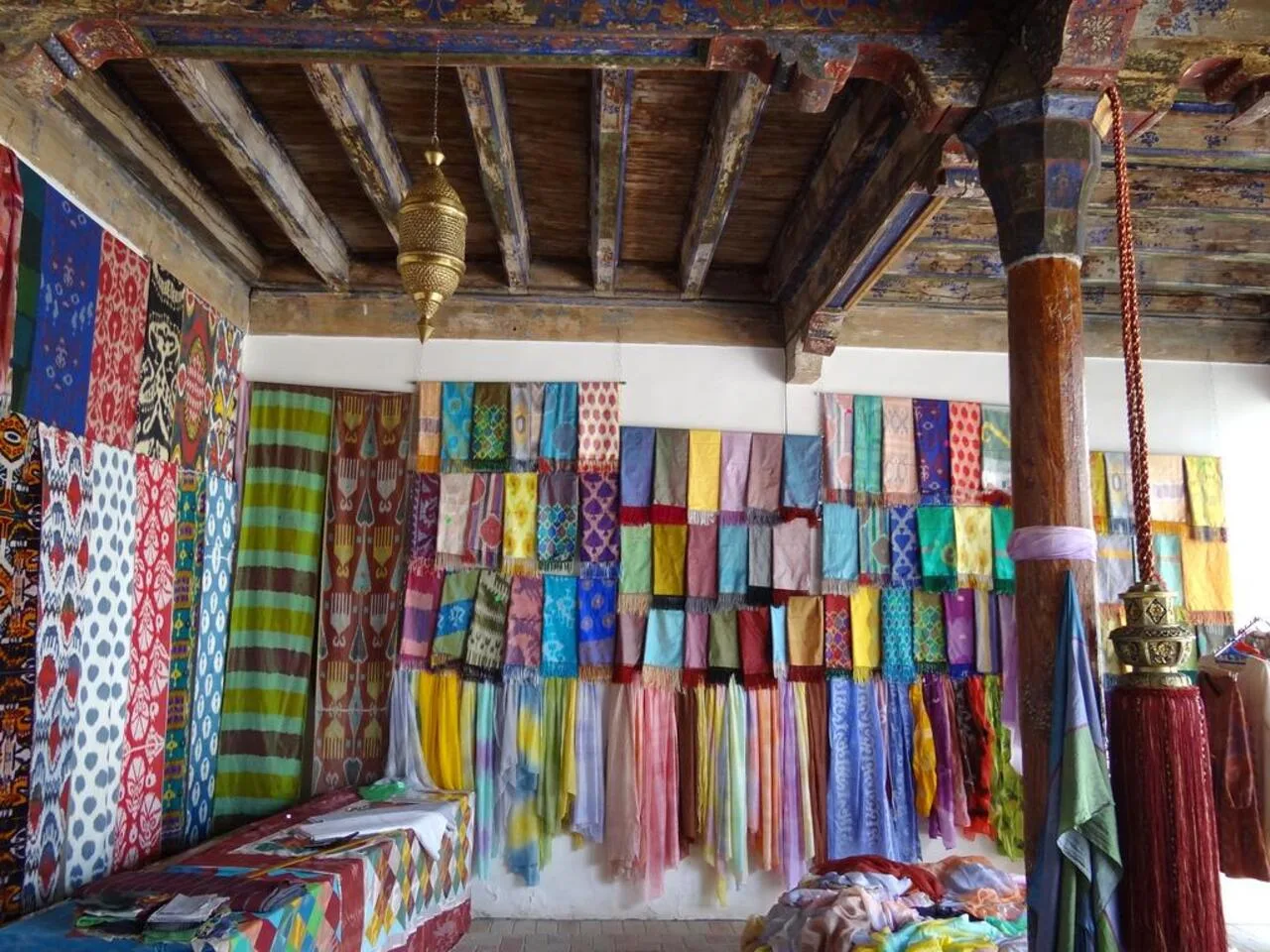
Tashkent has modern malls (Samarqand Darvoza, Next) with international brands and local options. Chorsu Bazaar has endless fabric, scarves, and traditional clothing.
Traditional clothing: You'll see beautiful embroidered dresses, chapans (robes), and suzani fabrics. These make great souvenirs, but they're not always practical for daily wear (heavy, ornate).
Shoes: Available, but sizes can be limited for larger Western feet. Bring your own.
The Bottom Line: Dress Like You Belong
Here's what I tell every traveler I guide: dress like you respect where you are, and you'll be welcomed everywhere.
You don't need to wear traditional Uzbek clothing (though locals love it if you do). You don't need to cover your hair 24/7. You just need to be modest, comfortable, and culturally aware.
The best-dressed travelers I see blend in without trying to be someone they're not. They wear their own style, adapted for the context. Linen pants instead of shorts. A maxi dress instead of a mini. A collared shirt instead of a tank top.
It's not complicated. And when you get it right, you'll spend less time worrying about what you're wearing and more time experiencing why you came to Uzbekistan in the first place.
Ready to experience Uzbekistan's culture firsthand? Join us for authentic workshops and cultural tours that go beyond the tourist track. We'll show you the Uzbekistan that only locals know—and we'll make sure you're dressed for it.
Questions about what to wear for a specific activity or season? Message us—we've been here long enough to know exactly what works.
About the author
CraftnCulture
The CraftnCulture editorial team — Tashkent-based cultural tourism specialists covering Uzbekistan travel, artisan crafts, and Silk Road heritage.