CraftnCulture
首页旅游线路工作坊巴扎集市相册博客Book Now
首页旅游线路工作坊巴扎集市相册博客Book Now我的账户
Language:

保持联系

订阅我们的新闻通讯,获取工作坊更新、文化见解和独家优惠。

CraftnCulture

通过亲身实践的工作坊和沉浸式多日游,探索正宗的中亚工艺。在乌兹别克斯坦与工艺大师建立联系。

探索

  • 工作坊
  • 乌兹别克斯坦旅游线路
  • 巴扎集市
  • 相册
  • 成为合作伙伴

资源

  • 旅行博客
  • 关于我们
  • 常见问题解答
  • 订单追踪
  • 联系我们

联系我们

  • Emailinfo@craftnculture.uz
  • Phone+998 94 421 01 13
  • WhatsApp+998 94 421 01 13
  • Studio乌兹别克斯坦塔什干
© 2026 CraftnCulture 版权所有隐私政策条款与条件
Home/Blog/Culture/Samsa and Central Asian Pastries: History and Recipes
Culture

Samsa and Central Asian Pastries: History and Recipes

What a Tashkent tandoor stall taught me about samsa - a first-hand account from CraftnCulture's small-group culinary experiences in Uzbekistan.

CraftnCulture EditorialJuly 27, 20265 分钟阅读
Samsa and Central Asian Pastries: History and Recipes
本页内容▾
  1. Samsa and Central Asian Pastries: History and Recipes

本页内容

  1. Samsa and Central Asian Pastries: History and Recipes

Samsa and Central Asian Pastries: History and Recipes

SEO target: "samsa pastry recipe" | Category: Food


The first bite scalded the roof of my mouth, and I'd been warned.

Our guide had said it twice before the tray came out of the tandoor: wait, let the juice settle, don't bite into the middle first. I bit into the middle first. The onion-and-lamb filling of a proper Tashkent samsa comes out closer to a broth than a stuffing, held in place by nothing but flaky dough and good faith, and mine went straight down my chin.

How I Got Here

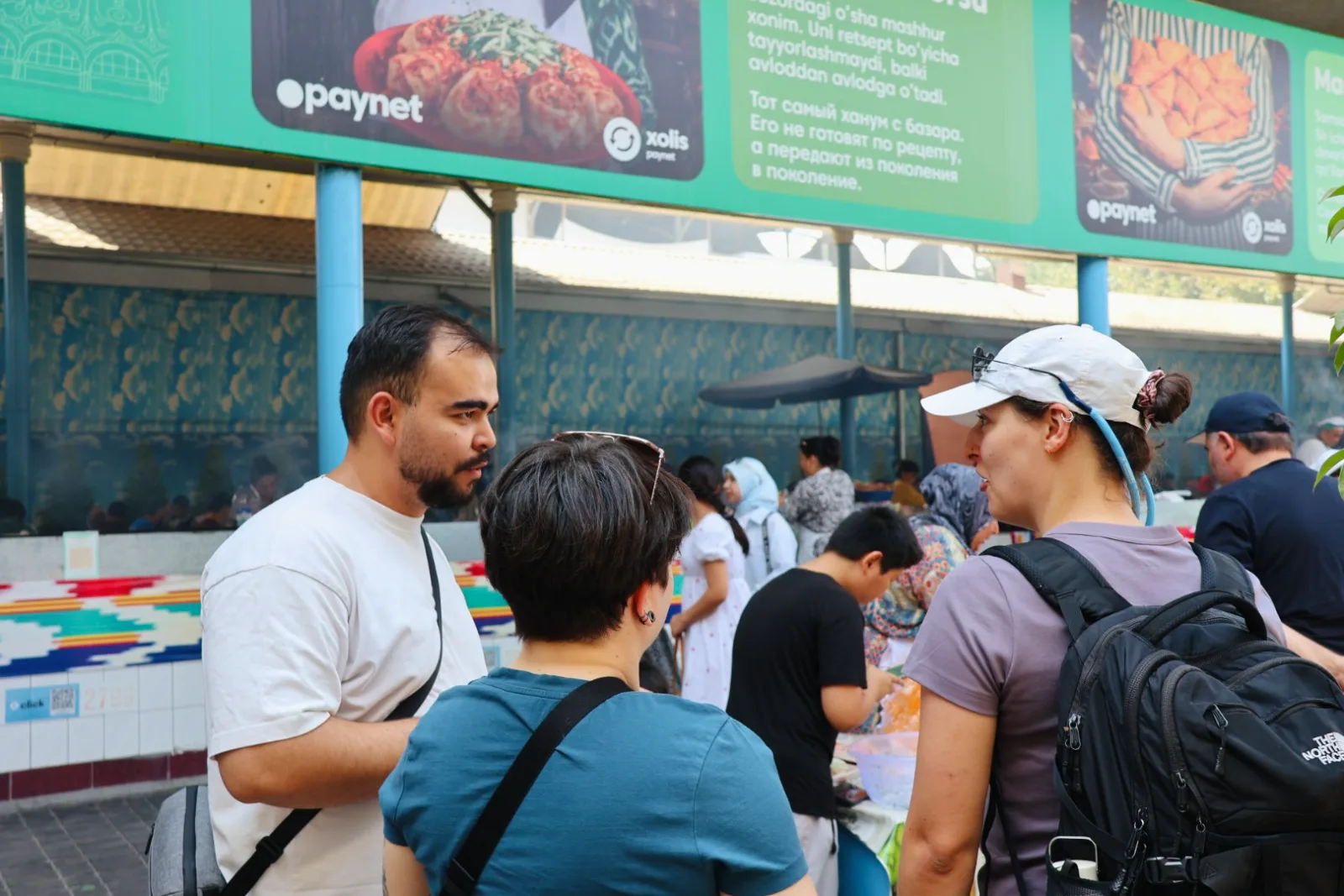
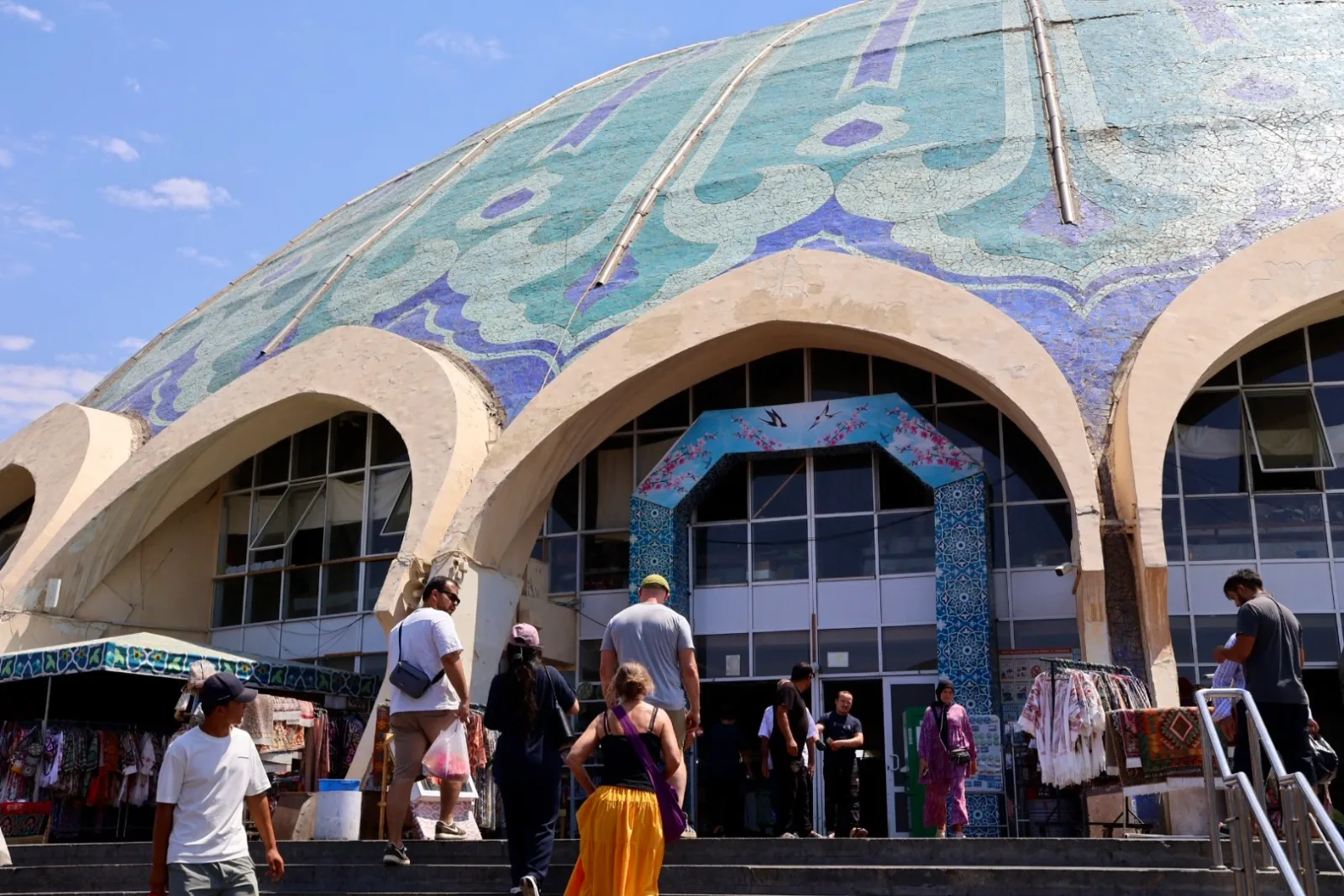
I'd come to Tashkent's Chorsu Bazaar looking for a samsa pastry recipe I could actually take home, not the version printed on a laminated card in a hotel restaurant. What I found instead was a woman named Nodira, working a wood-fired tandoor built into the side of a brick oven stall, who has been making samsa the same way since she took over her mother's spot fifteen years ago. She doesn't measure the dough. She pinches, folds, and slaps each triangle against the oven's inner wall by feel, and they stick there, cooking upright, until the fat renders and the crust goes the color of strong tea.

I'd expected samsa to be a simpler cousin of the empanada or the Cornish pasty — pastry, filling, done. It isn't. The lamination is the whole argument. Nodira's dough gets folded and rolled seven times with rendered tail fat between the layers, the same lamination principle behind puff pastry, except done by hand with no recipe card and no thermometer, purely from decades of knowing what the dough should feel like.

The Craft Itself

Samsa's reach across Central Asia is wider than most visitors expect. In Uzbekistan it's usually lamb, onion, and black cumin, baked upright in a clay tandoor. Cross into the Fergana Valley and you'll find pumpkin samsa in autumn, sweetened just enough to balance the pastry's saltiness. In parts of Kazakhstan and among Uyghur communities, you'll come across versions that are pan-fried rather than tandoor-baked — flatter, denser, closer to a fried dumpling than a pastry — a reminder that "samsa" isn't one dish so much as a shared technique that every region has bent to its own ingredients.

The name itself points backward — most food historians trace samsa to the Persian sanbosag, the ancestor of the samosa as well, carried along Silk Road trade routes centuries before either dish looked anything like it does today. What changed regionally wasn't the concept — dough wrapped around a filling, cooked hot and fast — but the fat, the oven, and the filling, shaped by whatever the local herds and harvests provided.

What It Actually Felt Like

Making samsa dough by hand is less like baking and more like a small, repetitive negotiation. Nodira had me fold a batch myself, and my first attempts were too thick in places, too thin in others — the layers didn't separate cleanly when they baked, so instead of the shattering crust hers produced, mine came out closer to bread. She didn't correct my technique with words. She took the dough back, folded it once more, handed it over, and let me feel the difference in my palm. That's the part no recipe card communicates: the dough tells you when the fat's distributed evenly, and you only learn to read that by ruining a few batches first.

I won't pretend I left with usable technique. Lamination by feel takes years, not an afternoon, and pretending otherwise would be dishonest about what a two-hour session can actually teach you. What I left with was a much better understanding of why the samsa I'd been eating all week tasted different from stall to stall — dough thickness, fat ratio, and oven heat all shift the result more than the filling recipe ever does.

Why Small Groups Matter

Nodira's stall isn't set up for a tour bus. There's room for maybe four people at a time around the small prep table beside her tandoor, and she talks while she works, but only if she isn't also managing a crowd. When CraftNCulture brings guests through as part of its Tashkent street food and culinary workshops, the group stays small enough that she can put dough in each person's hands rather than just narrate from a distance. I watched a larger group pass through earlier that morning — cameras up, no one touching anything — and it was a completely different experience from the one I had an hour later, standing at her counter with flour on my fingers.

What I Took Home

Two things: a container of pumpkin samsa that didn't survive the taxi ride back to my hotel, and a working sense of what separates a good samsa from a forgettable one — the fat, the fold count, the oven's heat, none of which show up in a printed recipe unless someone shows you first. I've since tried recreating the lamination at home with a conventional oven, and it's close, but a home oven can't replicate what a clay tandoor's radiant heat does to that top layer of dough.

If you're building a Central Asian pastries or samsa pastry recipe into your own trip, skip the version served for tourists near the big monuments and find the bakers still working the ovens themselves — Chorsu Bazaar, or a neighborhood stall recommended by whoever's hosting you. CraftNCulture's small-group culinary experiences in Tashkent include time at working tandoor stalls like Nodira's, alongside the city's plov cooking classes, for travelers who want the technique explained by the person doing it, not a laminated card.

See CraftNCulture's Tashkent culinary experiences at craftnculture.uz →


CraftNCulture runs small-group cultural craft and culinary experiences across Uzbekistan, Kazakhstan, and Kyrgyzstan.

samsa pastry recipeCentral Asian pastriesfried dumplings

About the author

CraftnCulture Editorial

CraftnCulture Editorial contributes to the CraftnCulture journal, covering Uzbekistan's living craft traditions and Silk Road heritage.

Tashkent: The Ultimate Chorsu Food Tour
与我们同行

Tashkent: The Ultimate Chorsu Food Tour

From $65 per person

立即预订
本地贴士

日出后一小时再到访 —— 商贩更热情,光线更柔和,人群也尚未聚集。

相关故事

Uzbek Hospitality Customs: A Guest's Guide to Mehmondonlik
Culture

Uzbek Hospitality Customs: A Guest's Guide to Mehmondonlik

June 9, 2026
3 分钟阅读
Uzbek Plov Recipe Guide: Regional Variations From Tashkent to Fergana
Culture

Uzbek Plov Recipe Guide: Regional Variations From Tashkent to Fergana

May 1, 2026
3 分钟阅读
Why Uzbek Plov Takes 4 Hours (And Why That Matters)
Culture

Why Uzbek Plov Takes 4 Hours (And Why That Matters)

March 13, 2026
6 分钟阅读

亲身体验匠心工艺

加入我们在塔什干、撒马尔罕、布哈拉、希瓦及更多地区的精选行程与工作坊。

浏览行程

保持灵感

订阅我们的杂志,获取来自中亚的全新故事、旅行贴士与工艺师专访。

无垃圾邮件,随时可取消订阅。