CraftnCulture
首页旅游线路工作坊巴扎集市相册博客Book Now
首页旅游线路工作坊巴扎集市相册博客Book Now我的账户
Language:

保持联系

订阅我们的新闻通讯,获取工作坊更新、文化见解和独家优惠。

CraftnCulture

通过亲身实践的工作坊和沉浸式多日游,探索正宗的中亚工艺。在乌兹别克斯坦与工艺大师建立联系。

探索

  • 工作坊
  • 乌兹别克斯坦旅游线路
  • 巴扎集市
  • 相册
  • 成为合作伙伴

资源

  • 旅行博客
  • 关于我们
  • 常见问题解答
  • 订单追踪
  • 联系我们

联系我们

  • Emailinfo@craftnculture.uz
  • Phone+998 94 421 01 13
  • WhatsApp+998 94 421 01 13
  • Studio乌兹别克斯坦塔什干
© 2026 CraftnCulture 版权所有隐私政策条款与条件
Home/Blog/Travel Tips/Photographing Uzbekistan Without the Tourist-Trap Shot
Travel Tips

Photographing Uzbekistan Without the Tourist-Trap Shot

What really happens when you try to photograph Uzbekistan beyond the postcard shot - notes from CraftnCulture's small-group craft workshops.

CraftnCulture EditorialJuly 27, 20265 分钟阅读
Photographing Uzbekistan Without the Tourist-Trap Shot
本页内容▾
  1. How I ended up rethinking the whole approach
  2. The difference between documenting and photographing
  3. Where the actual photo locations are, and they're not where you think
  4. What actually felt different about shooting inside a workshop versus outside a monument
  5. Why the group size actually changes what you can shoot
  6. What I actually came home with

本页内容

  1. How I ended up rethinking the whole approach
  2. The difference between documenting and photographing
  3. Where the actual photo locations are, and they're not where you think
  4. What actually felt different about shooting inside a workshop versus outside a monument
  5. Why the group size actually changes what you can shoot
  6. What I actually came home with

Photographing Uzbekistan Without the Tourist-Trap Shot

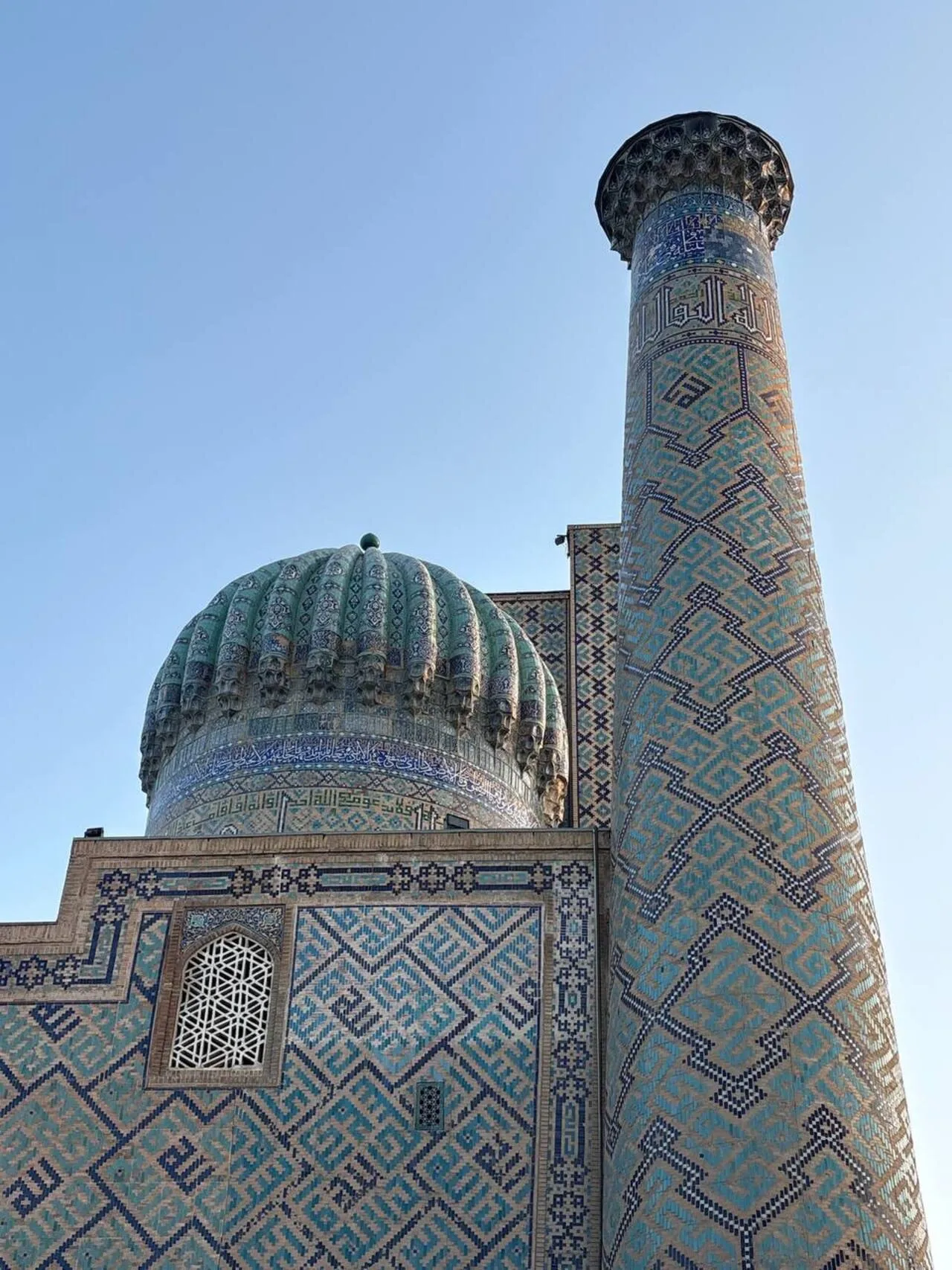
The light hits the Registan at 6:40am in October, and by 6:55 there are eleven tripods lined up in the exact same spot. I know because I was the twelfth. Everyone had read the same blog post. Everyone had the same photo — turquoise domes, empty courtyard, that one silhouette of a local walking through frame at the right moment. I got my version. It looks like everyone else's version. That's the problem with photography Uzbekistan itineraries built entirely around famous facades: you go home with a hard drive full of images anyone with a flight booking could have taken.

How I ended up rethinking the whole approach

I'd come on a two-week trip built around Silk Road architecture — Khiva, Bukhara, Samarkand, the greatest hits. I shoot a lot, I've done Marrakech and Petra and Luang Prabang, and I had a shot list before I landed. What I hadn't planned for was how little the shot list mattered once I was inside an actual workshop watching someone work. A ceramicist in Rishtan spun a bowl on a kick wheel that hadn't been replaced, by his account, in over a decade, and the clay dust caught the afternoon light coming through a doorway in a way no monument ever did. That image is still the best thing I brought home, and it wasn't on any list.

The difference between documenting and photographing

There's a real distinction, and most travelers blur it without noticing. Documenting a place means standing where everyone stands and pointing the camera at what everyone points at — you get the Registan, the Kalyan Minaret, the Ark of Bukhara, and they're worth having, they're genuinely striking buildings. But photographing a place, the kind of image with visual storytelling built into it rather than just subject matter, needs proximity and time you don't get from a bus schedule. You need to be in a room long enough that people stop performing for the lens. A guide who gives you forty minutes at a monument and calls it a photo stop is giving you documentation. A workshop visit where you're sitting three feet from an artisan's hands for two hours is giving you something else.

Where the actual photo locations are, and they're not where you think

The mausoleums and madrasas photograph beautifully and everyone already knows where they are — I'm not going to pretend otherwise or waste space rediscovering the Bibi-Khanym mosque for you. What surprised me were the interiors: a suzani embroiderer's workroom in Bukhara with thread spools stacked by color against a whitewashed wall, hands moving fast enough to blur if your shutter speed was wrong. A tea house courtyard in the old town of Khiva at the hour when the men who run it are drinking their own tea rather than serving tourists, which is a completely different atmosphere and a completely different set of faces. The Fergana Valley's ceramic workshops, where the pots waiting to be fired are stacked in uneven columns that no set designer would ever arrange but that photograph better than anything staged. None of this is secret information exactly — it's just information you can't act on unless you're actually inside these spaces rather than looking at them from a tour bus window.

What actually felt different about shooting inside a workshop versus outside a monument

Monuments don't mind being photographed. People do, or they should, and a lot of tourist photography in this part of the world doesn't seem to notice the difference. Standing in Nodira's family ceramics workshop outside Rishtan, camera in hand, I was aware in a way I hadn't been at any monument that I was a guest in someone's actual workspace, not a spectator at a performance staged for my benefit. That changes how you shoot. You wait. You ask, even through a translator, even with just a raised eyebrow and a gesture toward the camera. You take fewer photos and better ones, because you're not machine-gunning frames at a static building, you're watching for the moment a hand catches light correctly or an expression settles into concentration rather than politeness. I came away with maybe forty usable images across three hours in that workshop. I'd taken four hundred frames of the Registan and kept six.

Why the group size actually changes what you can shoot

This is the part most photography guides for the region don't mention, because most of them are written by people who haven't tried shooting in a group of twenty at a working craft space. In a large group, an artisan performs for the room — there's a demonstration pace, a crowd-management pace, and you get one angle, shared with nineteen other lenses, for however long the guide has scheduled. In a group of eight or fewer, on CraftNCulture's small-group format, there's enough room to actually move around the workspace, to wait out a bad angle, to ask the artisan to keep working rather than pause and pose. Dilnoza's embroidery workshop in Bukhara has room for maybe three people to sit close enough to get a genuinely intimate frame of her hands on the fabric. In a group of twenty, most of those three spots are gone before you've unpacked your bag.

What I actually came home with

Not the Registan shot — I have it, it's fine, it looks like six hundred other people's version of it. What I came home with was a set of images from inside actual working spaces: hands, materials mid-process, the specific quality of light in a room built two hundred years before electricity was a consideration in its design. If you're planning a trip around photography Uzbekistan makes possible, the monuments are a given — book the golden-hour slot, everyone does. But build in the workshop time, in a small enough group that you're not the twelfth tripod in someone else's frame. CraftNCulture runs its craft-focused small-group tours at eight travelers maximum specifically because the access breaks down past that number — check the current Silk Road itinerary and workshop-specific day trips for exact dates and pricing before you plan your camera bag around it.

Explore more CraftnCulture stories → the blog index, or read about the artisans themselves on the craft workshop pages linked above.

photographyuzbekistanphoto locationsvisual storytellingsmall group tours

About the author

CraftnCulture Editorial

CraftnCulture Editorial contributes to the CraftnCulture journal, covering Uzbekistan's living craft traditions and Silk Road heritage.

Crafted in Uzbekistan: A 7-Day Journey Into Living Traditions of the Silk Road
与我们同行

Crafted in Uzbekistan: A 7-Day Journey Into Living Traditions of the Silk Road

From $1850 per person

立即预订
本地贴士

日出后一小时再到访 —— 商贩更热情,光线更柔和,人群也尚未聚集。

相关故事

The Backpacker's Silk Road: What Budget Travel Through Uzbekistan's Interior Actually Costs
Travel Tips

The Backpacker's Silk Road: What Budget Travel Through Uzbekistan's Interior Actually Costs

July 27, 2026
5 分钟阅读
Chorsu Bazaar Food Tour: Spices, Produce, and Local Flavors
Travel Tips

Chorsu Bazaar Food Tour: Spices, Produce, and Local Flavors

June 9, 2026
3 分钟阅读
Yurt Camping Uzbekistan: Nuratau Mountains Eco-Tourism Guide
Travel Tips

Yurt Camping Uzbekistan: Nuratau Mountains Eco-Tourism Guide

June 9, 2026
5 分钟阅读

亲身体验匠心工艺

加入我们在塔什干、撒马尔罕、布哈拉、希瓦及更多地区的精选行程与工作坊。

浏览行程

保持灵感

订阅我们的杂志,获取来自中亚的全新故事、旅行贴士与工艺师专访。

无垃圾邮件,随时可取消订阅。