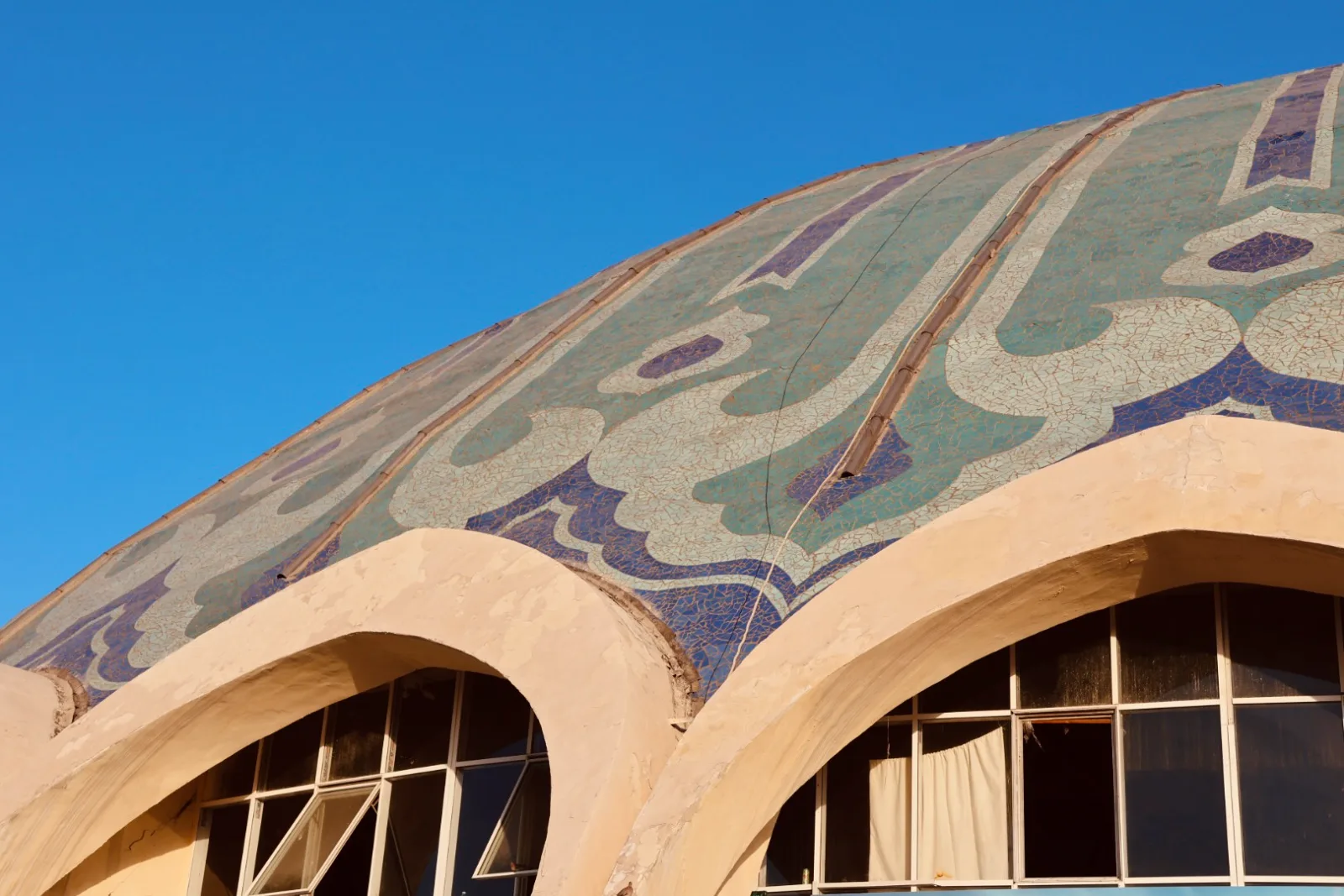
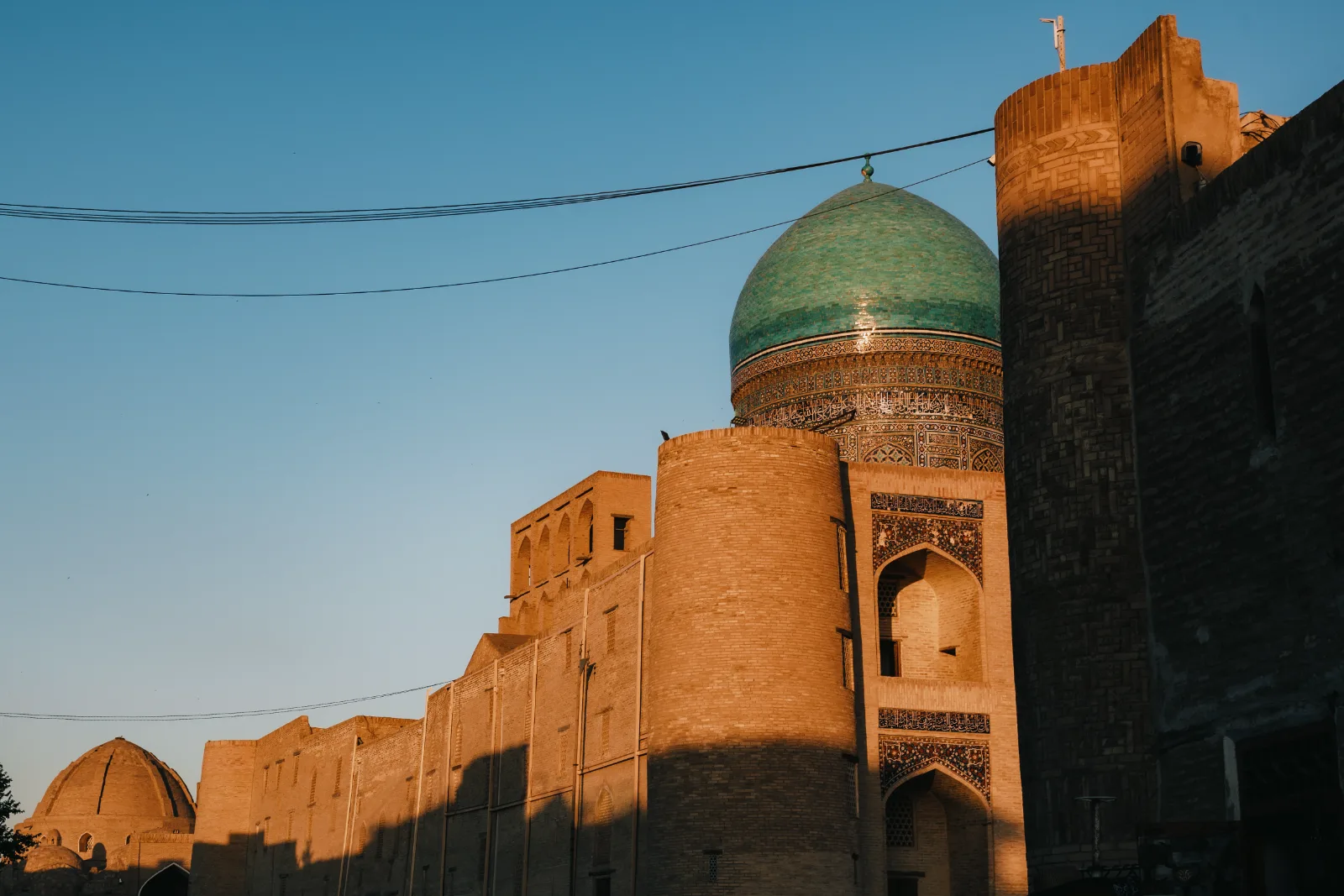
National Geographic named it one of the world's top destinations for 2026. Archaeologists confirm it has been continuously inhabited for over 2,500 years. Its inner walled city, the Itchan Kala, was the first place in all of Central Asia to earn UNESCO World Heritage status — back in 1990. And yet most first-time visitors to Uzbekistan skip Khiva entirely, deterred by the extra travel day it requires.
They are missing something remarkable.
Khiva is the most intact medieval city in Central Asia. Where Samarkand and Bukhara are ancient cities that have been continuously rebuilt and modified, Khiva's Itchan Kala is effectively a preserved 17th-to-19th-century walled city — a complete ensemble of mosques, minarets, madrasas, palaces, and bathhouses within mud-brick walls that you can walk across in 20 minutes. It is not a reconstruction or a museum recreation. People live here. The city just happens to look almost exactly as it did 200 years ago.
What Is There to See Inside the Itchan Kala?
Kalta Minor Minaret
The first thing most visitors notice — impossible to miss, unmistakable on every skyline photo of Khiva — is the Kalta Minor. Wide, squat, and swathed in brilliant turquoise and cobalt tilework, it stands just 26 metres tall and is completely unlike any other minaret in Uzbekistan. That is because it was never finished. Construction began in 1852 under Khan Muhammad Amin Khan, who intended it to become the tallest minaret in Central Asia — tall enough to see Bukhara from the top, legend has it. When Muhammad Amin Khan died in battle three years later, construction stopped permanently. The uncapped stump has stood ever since, a glorious architectural accident that has become the icon of Khiva.
Islam Khoja Minaret
For actual height — and the best panoramic view in the city — the Islam Khoja Minaret (1910) is the one to climb. At 56 metres, it's the tallest structure in Khiva. The narrow internal staircase winds up past small windows that offer increasingly spectacular views over the terracotta rooflines of the Itchan Kala, the surrounding walls, and the flat Khorezm oasis beyond. Buy the combined ticket that includes minaret access.
Kuhna Ark (Old Citadel)
The Kuhna Ark was the khan's fortress and seat of government — a city within the city within the city. Inside its walls you'll find the remains of the throne room, harem, mint, mosque, and powder room. The watchtower on the western rampart is the best spot in Khiva for sunset. Climb it in the last hour of daylight and watch the Itchan Kala's mud-brick towers turn gold.
Juma Mosque
One of the most distinctive buildings in Khiva is the Juma Mosque, a hypostyle hall — a vast roofed space supported by 213 carved wooden columns gathered from different mosques over ten centuries. The columns are not matching. Some are thin, some thick, some intricately carved, some plain. Together they create a forest of carved wood that is among the most unusual interior spaces in Central Asia. The mosque dates to the 10th century in origin though the current structure is 18th century.
Tosh-Hovli Palace
Built in the 1830s by Allah Quli Khan, Tosh-Hovli ('Stone Courtyard') is the most ornate palace in Khiva. Its harem section in particular is extraordinary: tiled walls, carved plaster, painted wooden ceilings, and a cool courtyard designed to catch every whisper of desert breeze. The scale of the craftsmanship — the number of tiles, the intricacy of the carvings — gives you a concrete sense of the wealth that Silk Road trade routes generated.
Hands-On Experiences in Khiva
Khiva has always been a centre for craft production, particularly woodcarving, silk weaving, and textile work. Several workshops near the Kalta Minor welcome visitors for demonstrations and short hands-on sessions.
Silk workshop — A small silk workshop just outside the Itchan Kala's main gate demonstrates traditional weaving on hand looms. You can watch raw cocoons being processed into thread, see the dyeing process, and try weaving a short section yourself. The finished silk products sold here are among the most reasonably priced in Uzbekistan.
Woodcarving — Khiva has a particularly strong woodcarving tradition (evident everywhere you look inside the Itchan Kala). Several master craftsmen operate workshops that accept visitors; ask at your guesthouse for an introduction.
At CraftnCulture, we work with master artisans in Khiva and across Uzbekistan to offer immersive craft experiences that go well beyond a typical tourist demonstration.
Practical Information for Visiting Khiva
Getting There
Khiva is the most remote of Uzbekistan's major historical cities — a fact that has helped preserve it. The nearest airport is in Urgench, 35 km away, with direct flights from Tashkent (1 hour, multiple daily). Taxis from Urgench airport to Khiva take around 30 minutes and cost roughly $5–8 if negotiated in advance.
The overnight train from Tashkent (departing around 6–7 pm, arriving 6–7 am) is a popular option: you sleep on the train, arrive refreshed, and save a night's accommodation. Book through the Uzbekistan Railways website.
How Long to Spend
One full day covers the Itchan Kala's main monuments if you move efficiently. Two days is the recommended minimum — enough to see everything without rushing, take a craft workshop, and sit in a teahouse long enough to feel the city rather than just photograph it. Khiva rewards slow travel.
Where to Stay
Staying inside the Itchan Kala is strongly recommended. Several guesthouses and small hotels are housed in historic buildings within the walls. The atmosphere after the day-trippers leave in the evening — the lanes quiet, the monuments lit, the city returned to its residents — is worth whatever premium you pay to be there.
When Is the Best Time to Visit Khiva?
April–May and September–October are ideal. Summer (June–August) is extremely hot — Khiva sits near the Kyzylkum Desert and temperatures regularly exceed 40°C. The city is manageable in summer with very early starts and long midday breaks, but spring and autumn are far more comfortable.
Tips for Getting the Most Out of Khiva
- Buy the combined monument ticket. It covers most of the Itchan Kala's major sites and is significantly cheaper than paying separately at each.
- Stay inside the walls overnight. The evening atmosphere — locals gathering in the lanes, cats on every rooftop, monuments glowing under soft lighting — is genuinely magical and completely different from the daytime tourist experience.
- Visit the Kuhna Ark watchtower at sunset. Non-negotiable.
- Walk the city walls. You can walk a significant stretch of the Itchan Kala's perimeter walls, which gives an unusual perspective on the density and completeness of what's inside.
- Allow time to simply wander. Khiva is small enough that getting deliberately lost is easy and rewarding. The backstreets away from the main monuments are where the city feels most authentically lived-in.
Final Word
Khiva is the most cinematic city in Uzbekistan. Its scale is human, its preservation is extraordinary, and its atmosphere — especially in the early morning and evening hours — is unlike anywhere else in Central Asia. The extra travel day it requires pays off immediately. National Geographic got it right for 2026. Put Khiva on the list.
About the author
Yusufbek Mukhiddinov
Uzbek entrepreneur and cultural tourism specialist. Originally from Uzbekistan, spent 4 years in Poland before returning to co-found CraftnCulture in 2024.