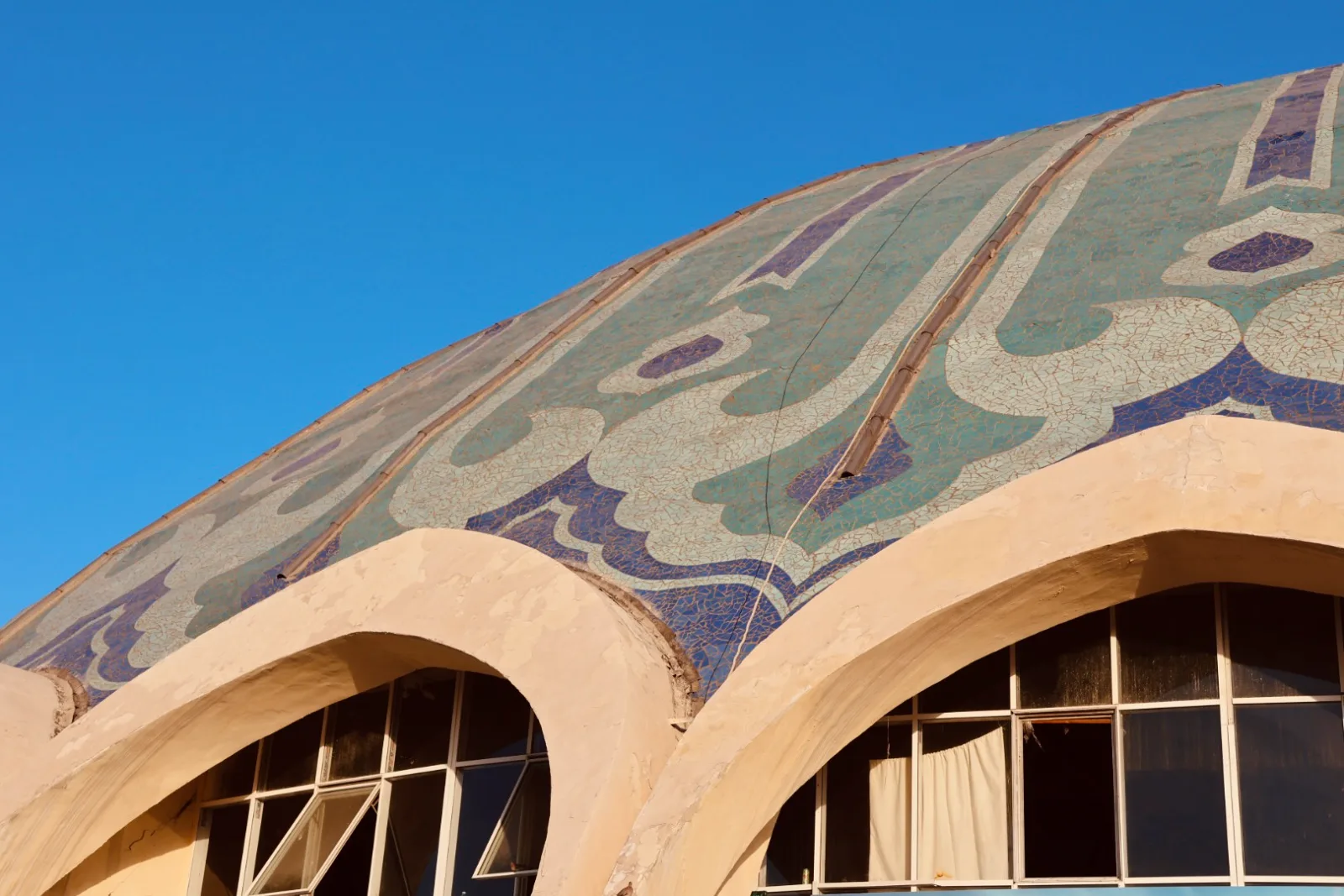
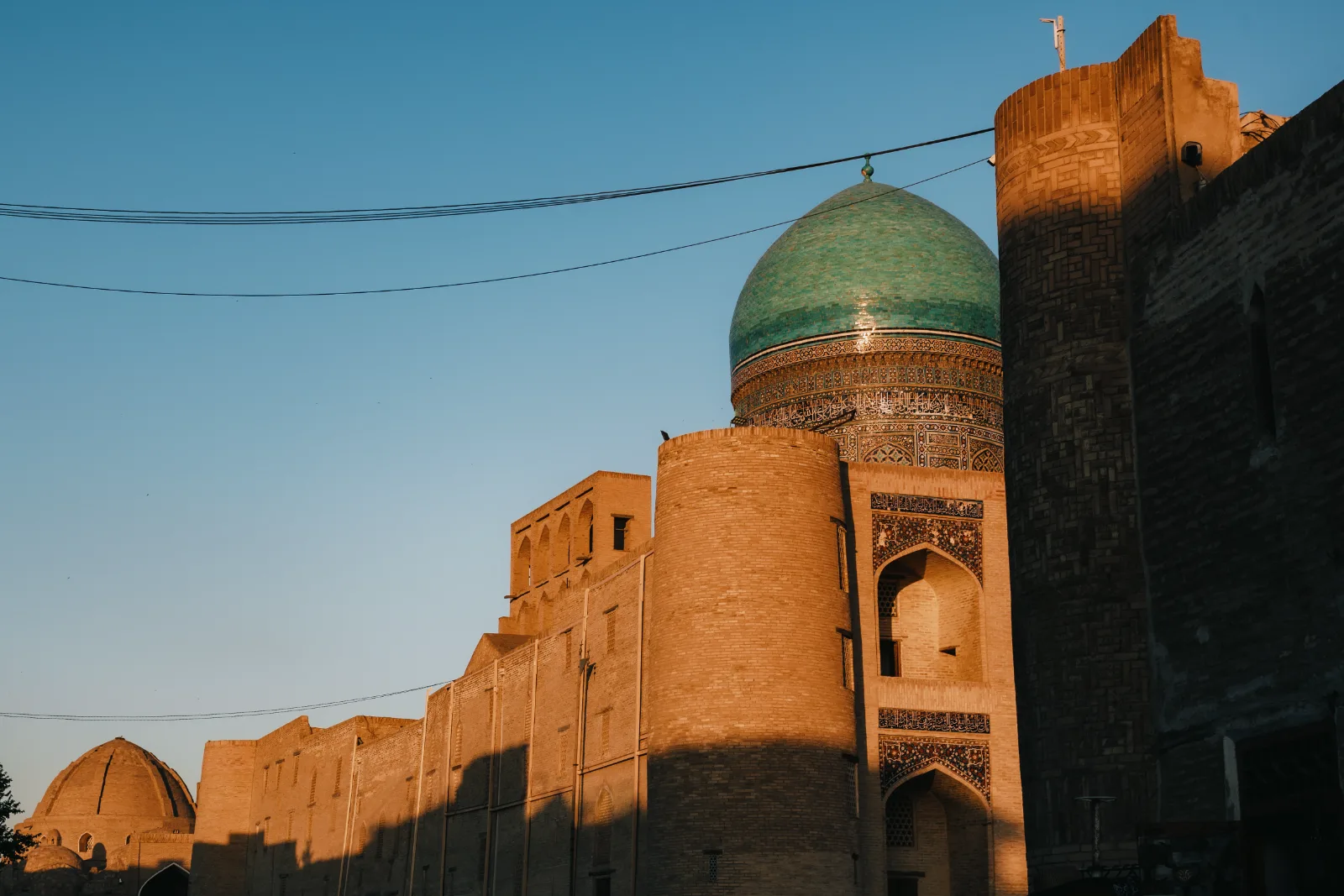
If Samarkand is Uzbekistan's showpiece, Bukhara is its soul. Fewer Instagram-ready money shots, more genuine lived history — a city where medieval madrasas and caravanserais spill seamlessly into everyday life. With over 2,000 years of continuous habitation, Bukhara's UNESCO-listed old city is widely considered the most complete and unspoiled example of medieval Central Asia anywhere on earth. Here's everything you need to plan your visit.
Why Bukhara Belongs on Every Uzbekistan Itinerary
Most first-time visitors to Uzbekistan lock in the classic trio: Tashkent, Samarkand, Bukhara. And for good reason. While Samarkand dazzles with turquoise domes and the Registan's theatrical grandeur, Bukhara rewards a slower pace. Wander its labyrinthine backstreets and you'll stumble on living workshops where carpet weavers work hand looms, gold embroiderers stitch suzani cloth, and woodcarvers chip intricate geometric patterns — the same traditions practiced here for centuries.
That combination of monuments and living craft culture is exactly what makes Bukhara so compelling for culturally curious travelers.
Top Sights in Bukhara's Old City
The Kalon Minaret
Built in 1127, the Kalon Minaret is one of the oldest surviving structures in Central Asia — and one of the very few buildings Genghis Khan reportedly ordered spared during his 1220 invasion (so the story goes, the minaret was so tall it knocked off his helmet as he gazed up, prompting an involuntary bow). Standing 47 metres tall, it still dominates the old city skyline and serves as the landmark around which everything else orients.
The Ark Fortress
Bukhara's oldest structure is a city within a city. The Ark — meaning 'citadel' in Uzbek — has been continuously occupied for roughly 2,500 years, though the current structure dates mainly from the 17th and 18th centuries. Inside, you can wander the remains of the royal court, mint, stables, and prison. The views over the old city from the ramparts alone justify the entrance fee.
Lyabi-Hauz
The social heart of Bukhara is its ancient reflecting pool, Lyabi-Hauz ('the edge of the pool' in Tajik). Flanked by mulberry trees, tea houses, and three madrasas, this is the place to slow down, order a pot of green tea, and watch the city move at its natural rhythm. The pool dates to 1620 and remains one of the most photogenic and pleasant spots in all of Uzbekistan.
The Samanid Mausoleum
Tucked inside a park near the northwest edge of the old city, the Samanid Mausoleum is easy to overlook — and astonishing when you find it. Built in the 9th–10th century for the founder of the Samanid dynasty, it's one of the oldest surviving Islamic buildings in Central Asia. What makes it remarkable is the brickwork: the same brick placed in different orientations creates a visual effect that shifts with the light throughout the day.
Trading Domes (Toki Bazaars)
Bukhara once controlled some of the most important trade routes on the Silk Road. Evidence of that era survives in the city's domed bazaars — cruciform covered markets built at intersections where merchants traded silk, spices, and metalwork. Toki-Sarrafon (money changers), Toki-Telpakfurushon (cap makers), and Toki-Zargaron (jewellers) still function as craft markets today. They're the best places in the city to buy authentic suzani, ceramics, and hand-stamped silks.
Hands-On Cultural Experiences in Bukhara
Bukhara isn't just a city you look at — it's one you can participate in. The city has a deep tradition of craft apprenticeship, and a number of workshops open their doors to visitors.
Suzani embroidery — The bold floral and geometric embroideries that have decorated Uzbek homes for centuries are still produced by hand in Bukhara. Several workshops offer short introductory sessions where you can try the stitch style under a master's guidance.
Miniature painting — Following the Timurid Persian tradition, Bukhara has a small but dedicated community of miniature painters working with natural pigments on paper and silk. Studio visits give rare insight into a discipline that takes decades to master.
Natural silk dyeing — A handful of artisans around the old city still produce silk using natural dyes from pomegranate rinds, walnut husks, and imported indigo. These workshops are fragrant, vivid, and unforgettable.
At CraftnCulture, we connect travelers with master artisans across Uzbekistan — including in Bukhara — for private and small-group workshops that go far beyond a tourist demonstration.
Practical Information for Visiting Bukhara
Getting There
Bukhara has its own airport (BHK) with direct flights from Tashkent (approximately 1 hour). The faster and more scenic option is the Afrosiyob high-speed train from Tashkent (around 3.5–4 hours) or from Samarkand (just under 2 hours). Book tickets through the official Uzbekistan Railways website; seats sell out weeks ahead in peak season (April–June, September–October).
When Is the Best Time to Visit Bukhara?
Spring (April–May) is universally the favourite: mild temperatures, blooming apricot trees, and the festive energy of Navruz still lingering. Autumn (September–October) is equally pleasant. Summers are brutal — 40°C is not unusual — and winters, while manageable, can be bitterly cold.
Where to Stay
Staying inside the old city is strongly recommended for first-time visitors. Traditional boutique hotels occupying restored 18th-century merchant houses (known locally as manzilgohs) put you within walking distance of every major sight. The neighbourhood of Lyabi-Hauz is particularly atmospheric. Expect to pay $40–$120 per night for a well-restored mid-range option.
How Long to Spend
Two nights is the bare minimum to see the key sights. Three to four nights lets you slow down, explore the backstreets, take a craft workshop, and make a half-day excursion to the mud-brick ruins of Varakhsha or the Chor Bakr necropolis outside the city.
Tips for Getting the Most Out of Bukhara
- Start early. The old city is at its most atmospheric in the two hours after sunrise, before tour groups arrive and the heat builds.
- Hire a local guide for half a day. Bukhara's history is so layered that context dramatically changes what you're looking at.
- Budget for crafts. The workshops and bazaars here produce genuinely high-quality work. Leave room in your bag and your budget.
- Try the local bread. Bukhara's non (flatbread) is stamped with distinctive patterns unique to the city and baked in clay ovens. The bakeries near the Kalon Mosque produce it fresh every morning.
Final Word
Bukhara doesn't perform for tourists the way some cities do. It simply exists — ancient, quietly magnificent, and still very much alive. Whether you come for the architecture, the crafts, or simply the feeling of standing somewhere genuinely old, it delivers. If Uzbekistan is on your list for 2026, Bukhara is not optional.
About the author
Yusufbek Mukhiddinov
Uzbek entrepreneur and cultural tourism specialist. Originally from Uzbekistan, spent 4 years in Poland before returning to co-found CraftnCulture in 2024.