Uzbekistan Ceramic Workshops: Ancient Pottery Tradition
In the heart of Uzbekistan's Fergana Valley lies Rishtan, a small town that has been the beating heart of Central Asian pottery for over a millennium. Here, vibrant turquoise and cobalt ceramics aren't just souvenirs—they're living tradition passed down through generations of master craftsmen.
The Soul of Silk Road Ceramics
Uzbekistan's ceramic tradition dates back centuries along the ancient Silk Road. The secret? Ishkor glazes—a unique technique using local plant ash that creates the distinctive turquoise and deep blue colors that make Uzbek pottery instantly recognizable worldwide.
In the 1950s, this ancient craft nearly vanished as factory-made goods flooded markets. Traditional workshops closed, recipes were forgotten, and artisans' children pursued other careers. But today, master potters like Rustam Usmanov and Alisher Nazirov are reviving these time-honored techniques, welcoming travelers into their studios to witness—and participate in—this cultural renaissance.
What to Expect in a Ceramic Workshop
A hands-on pottery workshop in Uzbekistan offers far more than watching demonstrations. You'll:
Learn Ancient Techniques
- Hand-throwing on traditional pottery wheels (some still powered by foot or even donkey!)
- Ishkor glaze preparation using locally-sourced plant ash
- Pattern painting with traditional geometric and floral motifs
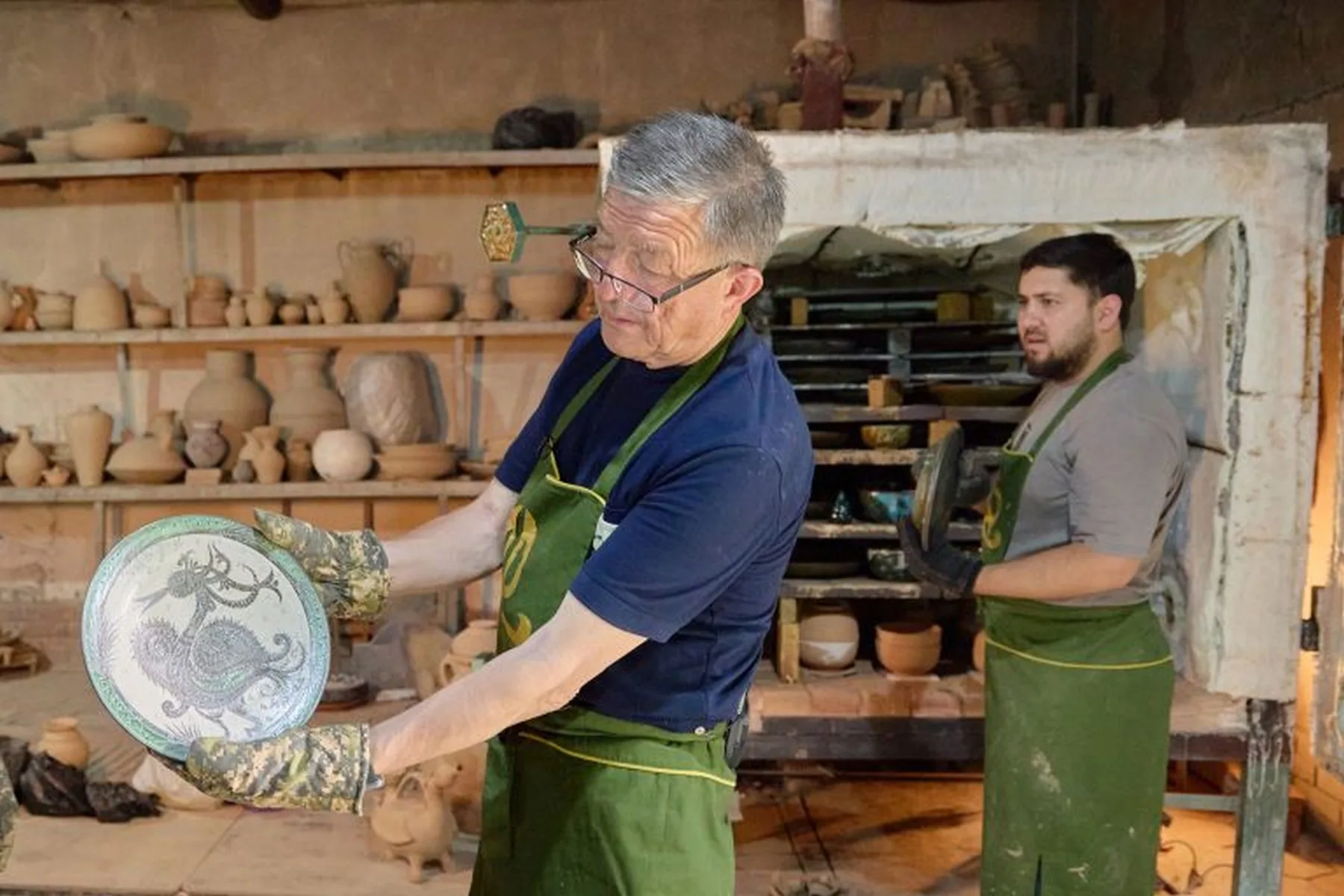
- Kiln firing methods unchanged for centuries
Create Your Own Masterpiece
Under the guidance of master craftsmen, you'll shape your own ceramic piece—whether a traditional piyala (tea bowl), decorative plate, or serving dish. The best part? You can take your creation home as a truly personal souvenir.
Understand Cultural Significance
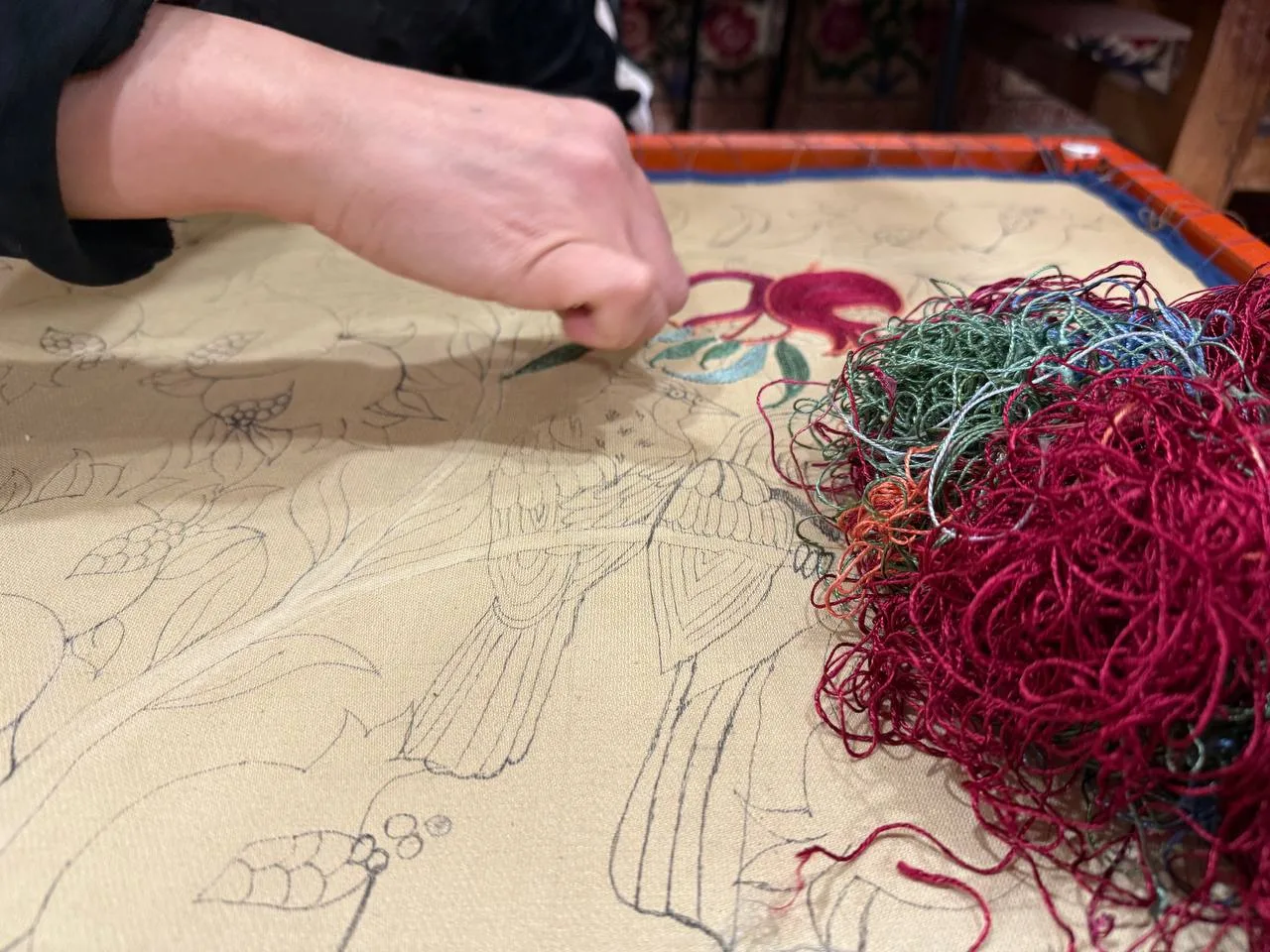
Each pattern tells a story. The pomegranate symbolizes fertility and abundance. The almond represents life and renewal. Your workshop instructor will explain the meaning behind traditional motifs, connecting you to centuries of Silk Road culture.
Rishtan vs. Gijduvan: Two Pottery Traditions
Rishtan (Fergana Valley, 3 hours east of Tashkent) is famous for its brilliant turquoise ishkor glazes and intricate geometric patterns. The town hosts the International Ceramics Center and numerous private workshops offering authentic experiences.
Gijduvan (near Bukhara) specializes in rustic, earthy pottery with brown and green glazes. The style is simpler, more organic, with workshops tucked into historic courtyards.
Both destinations offer unique perspectives on Uzbekistan's ceramic heritage.
Pairing Your Ceramic Workshop
Maximize your cultural immersion by combining your pottery experience with other authentic activities:
- Start your day exploring Chorsu Bazaar in Tashkent, where ceramic vendors display their wares alongside spice mountains and fresh bread
- Learn to make traditional plov in a local home—served, naturally, on handmade ceramic dishes
- Experience bread-making in a tandir oven, another craft that connects modern Uzbeks to their ancestors
Best Time to Visit
Spring (April-May) and fall (September-October) offer ideal weather for workshop visits in Fergana Valley. Summer temperatures can exceed 40°C (104°F), making clay work challenging. Winter brings cooler temperatures but fewer crowds and more intimate experiences with artisans.
What Makes It Authentic
Unlike mass-tourism demonstrations, genuine ceramic workshops in Uzbekistan are working studios. You might see:
- Apprentices learning alongside masters
- Donkeys turning grinding wheels to prepare clay
- Entire families collaborating on large orders
- Kilns being loaded for the next firing
This isn't staged for tourists—it's real life, real craft, real heritage.
Practical Tips
Dress Code: Wear clothes you don't mind getting clay on. Long pants recommended for sitting at pottery wheels.
Duration: Most workshops run 2-4 hours, though full-day immersive experiences are available.
Language: Many master artisans speak limited English, but craft transcends language. Guides or translators enhance the experience.
Shipping: Finished pieces require kiln firing (1-2 weeks). Workshops can ship internationally, or arrange pickup if you're staying longer in Uzbekistan.
Cost: Private workshop experiences typically range $30-80 per person, including materials and your finished piece.
Why It Matters
By participating in ceramic workshops, you directly support the preservation of endangered cultural heritage. Your workshop fee helps master artisans train the next generation, keeping centuries-old techniques alive in an increasingly mechanized world.
Plus, you'll return home with a one-of-a-kind piece that carries far more meaning than any factory-made souvenir—a tangible connection to the Silk Road's living traditions.
Ready to Get Your Hands Dirty?
Uzbekistan's ceramic workshops offer something rare in modern travel: genuine cultural exchange through craft. Whether you're an experienced potter or have never touched clay, shaping your own piece under the guidance of masters who learned from their grandfathers creates memories and connections that endure long after the clay hardens.
The ancient Silk Road brought ceramics, ideas, and cultures together. Today, you can be part of that timeless exchange—one handmade bowl at a time.
About the author
CraftnCulture
The CraftnCulture editorial team — Tashkent-based cultural tourism specialists covering Uzbekistan travel, artisan crafts, and Silk Road heritage.