Most visitors to Uzbekistan treat Tashkent as a transit point — a few hours between the airport and the train south to Samarkand. That is a mistake. Uzbekistan's capital is a genuinely fascinating city: a place where Soviet-era grandeur, ancient Islamic heritage, and a quietly booming modern food scene coexist within a well-connected, easy-to-navigate metropolis of 3 million people.
Give Tashkent two days and it will surprise you.
Why Tashkent Deserves More Than a Layover
Tashkent is Central Asia's largest city and Uzbekistan's commercial and cultural hub. It was almost entirely rebuilt after a devastating 1966 earthquake — which explains its wide Soviet boulevards and Brutalist apartment blocks — but pockets of the old city survived, including its historic Islamic quarter, ancient bazaars, and the neighbourhood around the Hazrat Imam Complex. The result is a city with genuine character: not the frozen-in-amber quality of Khiva or Bukhara, but a living, layered place that rewards curiosity.
What Should You Do in Tashkent?
Ride the Tashkent Metro
The Tashkent Metro is one of the most beautiful urban rail systems in the world. Opened in 1977, its stations were designed as underground palaces — each one architecturally distinct, decorated with Soviet mosaics, carved marble, ceramic tilework, and elaborate chandeliers. Kosmonavtlar station is a capsule of Soviet space-age optimism; Alisher Navoiy is an ornate celebration of Uzbek literary heritage; Mustaqillik Maydoni (Independence Square) gleams with white marble.
A single journey costs a few hundred Uzbek sum (pennies in any hard currency). Riding the full circle line — getting off at each station to examine the architecture, then boarding the next train — takes about two hours and costs almost nothing. It is one of the best free activities in the entire country.
Hazrat Imam Complex (Khast Imam)
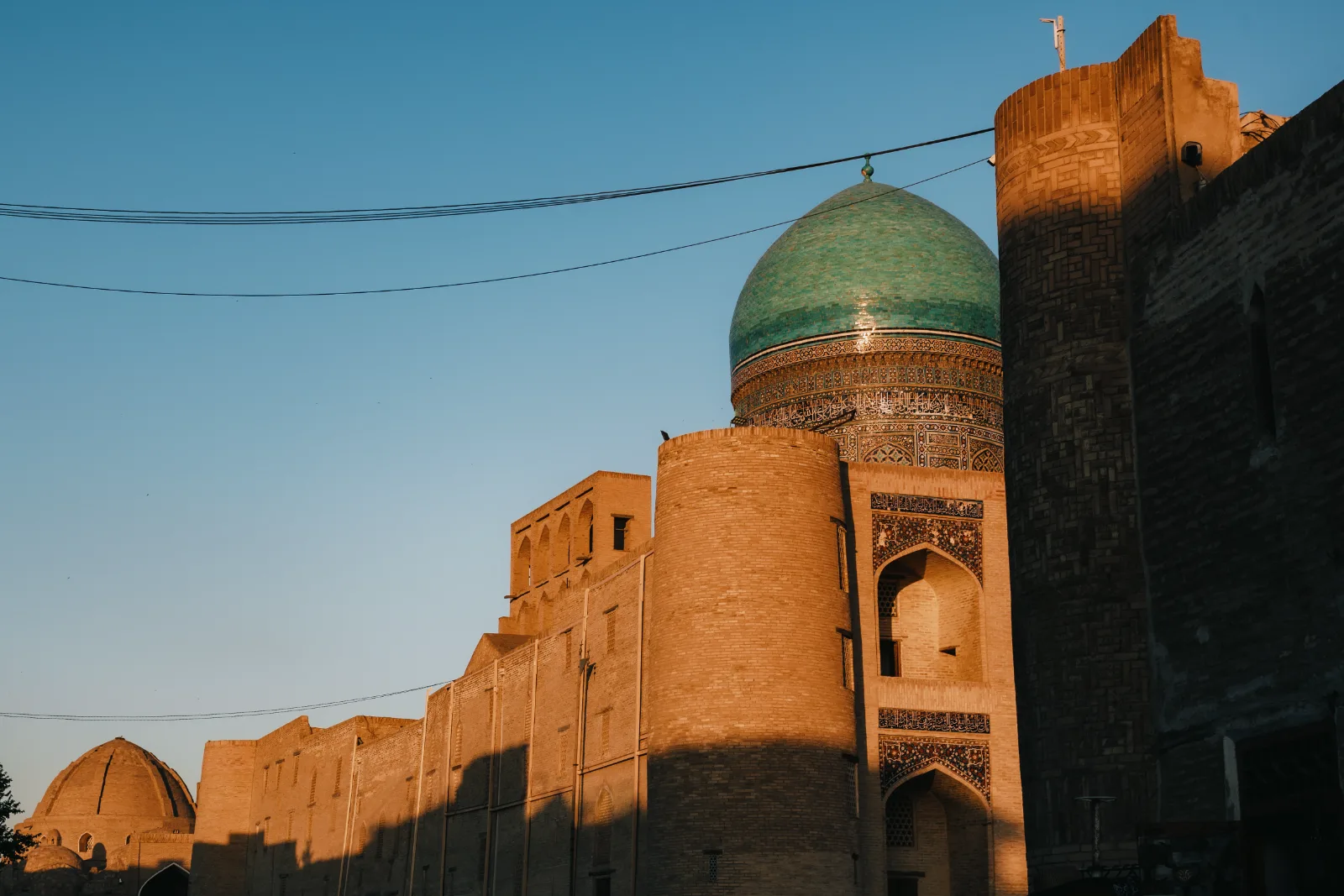
The spiritual heart of Tashkent is the Hazrat Imam Complex — a cluster of mosques, madrasas, and religious buildings in the old city quarter. The centrepiece is the Tillya Sheikh Mosque, a 16th-century structure rebuilt and expanded over the centuries. More remarkable is what the complex houses: one of the oldest Qurans in existence, the Uthman Quran, believed to date to the 7th century and stained with the blood of the caliph Uthman, who was assassinated while reading it. The manuscript is on display in a purpose-built library on the complex grounds.
The neighbourhood surrounding Khast Imam — narrow lanes, traditional courtyard houses, small workshops — is one of the most atmospheric corners of Tashkent and worth an hour of wandering.
Chorsu Bazaar
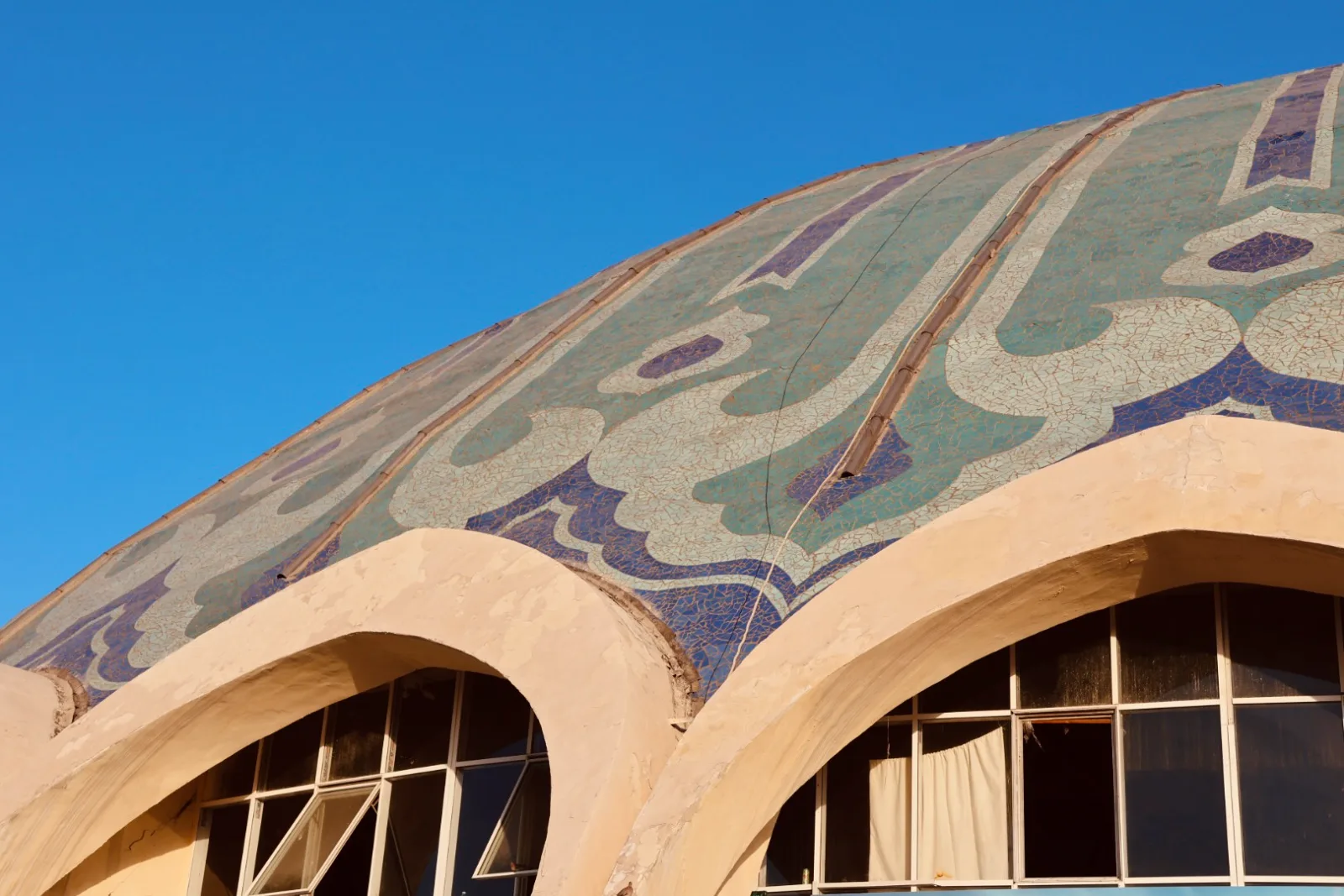
Tashkent's great covered market is the most vivid sensory experience in the city. The main dome — an enormous turquoise-tiled structure visible from across the neighbourhood — shelters a labyrinth of stalls selling dried fruits, nuts, spices, bread, meat, dairy, and household goods. Chorsu Bazaar is one of Central Asia's great market experiences, and the surrounding open-air sections extend for hundreds of metres in every direction.
Come hungry. The samsa sellers around the perimeter of the dome — meat or pumpkin-filled pastries baked fresh in clay tandoor ovens — are among the best in the country. The bread section, with its stacked wheels of fresh non flatbread, is worth photographing.
State Museum of History of Uzbekistan
For context on everything you're seeing — the Silk Road, the Timurid Empire, the Soviet period, the path to independence — this is the most comprehensive collection in the country. The Afrosiyab murals reproductions, artefacts from archaeological sites across Uzbekistan, and Soviet-era exhibits give a coherent through-line to a history spanning three millennia. Allow two hours.
Applied Arts Museum
Housed in a beautifully restored 19th-century merchant's mansion in the old diplomatic quarter, the Applied Arts Museum displays Uzbekistan's craft heritage in the most appropriate setting imaginable: carved wooden columns, painted ceilings, tiled walls — the building itself is as interesting as the ceramics, embroideries, woodwork, and metalwork it contains. Less crowded than the History Museum, more intimate, and more directly relevant to understanding the living craft traditions that define Uzbek culture.
Amir Timur Square and Museum
The formal heart of modern Tashkent is Amir Timur Square, centred on an equestrian statue of the great conqueror. The surrounding area — including the circular Amir Timur Museum with its distinctive green dome — was designed in the early years of Uzbek independence as a statement of national identity. The museum's collection of artefacts related to Timur and the Timurid period is solid; the building is visually spectacular both inside and out.
Tashkent's Food Scene
Tashkent has Uzbekistan's most diverse restaurant landscape, ranging from traditional chaikhana (teahouses) serving lagman and shashlik to modern Central Asian fusion and international options. A few areas worth knowing:
Yunusobod district has the highest concentration of upmarket restaurants and cafes aimed at the growing local middle class.
The old city near Khast Imam has the most authentic traditional food — small family-run places serving dimlama (slow-cooked meat and vegetable stew), mashkichiri (a thick mung bean and rice porridge), and kovurma lag'mon (fried noodles) that rarely appear on tourist-facing menus.
Tashkent City Mall area is where the city's young professionals go — modern cafes, craft coffee, and food courts with Uzbek fast-casual concepts that are genuinely excellent.
How Do You Get Around Tashkent?
The metro covers the major sights efficiently. Taxis via the Yandex Go app are cheap, widely available, and reliable. Walking is pleasant in the old city quarter but impractical between districts — the city is spread out.
How Long to Spend
Two days gives you time to cover the metro, Khast Imam, Chorsu Bazaar, both museums, and eat well. Three days adds breathing room for the Applied Arts Museum, a cooking class or craft workshop, and evening exploration of the restaurant scene.
Day Trips from Tashkent
The mountain resort area of Chimgan (90 minutes by car) offers hiking in spring and autumn and skiing in winter. The ancient archaeological site of Mingtepa and the city of Nukus — home to the extraordinary Savitsky Museum of Soviet avant-garde art — are further afield but worth considering for longer stays.
Tips for Getting the Most Out of Tashkent
- Ride the metro early in the morning when stations are quiet and you can examine the architecture without crowds.
- Visit Chorsu Bazaar at 9–10 am when the bread is freshest and the market is fully stocked but not yet overwhelmed.
- Book a cooking class or craft workshop for your first evening. Starting your Uzbekistan trip with a hands-on cultural experience sets the tone for everything that follows.
- Download the Yandex Go app before you arrive. It works seamlessly and removes any negotiation stress with taxi drivers.
- Walk the old city streets around Khast Imam without a specific destination. The neighbourhood rewards unstructured exploration.
Tashkent is the beginning of your Uzbekistan story. Take the time to read the opening chapters properly. For more on what Uzbekistan has to offer, the official tourism portal is a useful starting point.
About the author
Yusufbek Mukhiddinov
Uzbek entrepreneur and cultural tourism specialist. Originally from Uzbekistan, spent 4 years in Poland before returning to co-found CraftnCulture in 2024.