Как фотографировать Узбекистан без открыточных клише
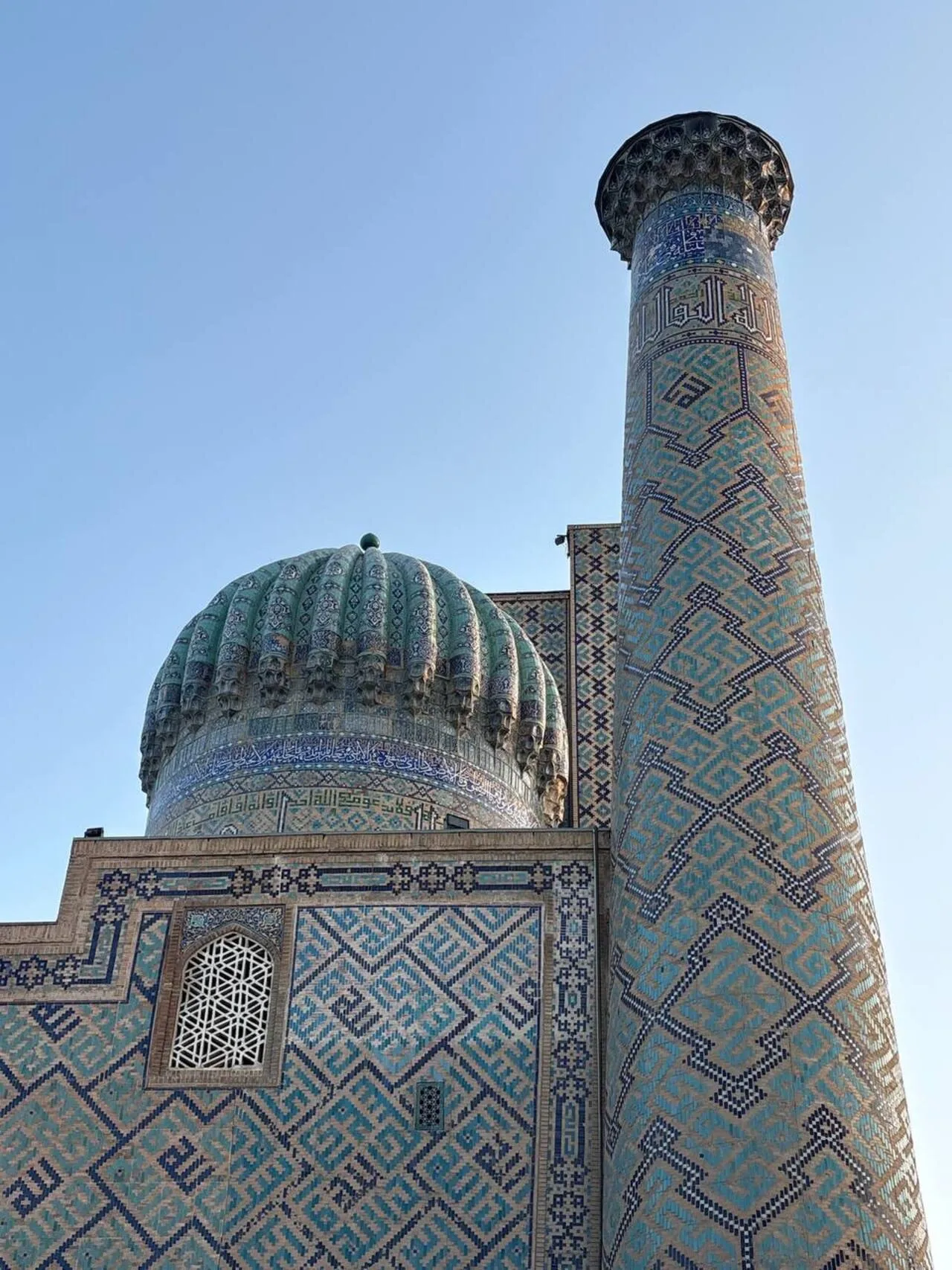
Свет падает на купола Регистана в 6:40 утра в октябре, а к 6:55 уже выстроилась шеренга из одиннадцати штативов на одном и том же пятачке. Я знаю точно, потому что была двенадцатой. Все читали один и тот же блог. У всех был один и тот же кадр — бирюзовые купола, пустой двор, силуэт местного жителя, проходящего через кадр в нужный момент. Я получила свою версию. Она выглядит точно как версия всех остальных. В этом и проблема фотографии Узбекистана, если строить маршрут исключительно вокруг знаменитых фасадов: возвращаешься домой с картой памяти, забитой снимками, которые сделал бы любой турист с билетом на самолёт.
Как я пересмотрела весь подход
Я приехала в двухнедельную поездку, построенную вокруг архитектуры Шёлкового пути — Хива, Бухара, Самарканд, всё самое известное. Я много снимаю, у меня за плечами Марракеш, Петра, Луангпхабанг, и список кадров был готов ещё до посадки в самолёт. Чего я не предусмотрела — насколько мало этот список будет значить, стоя внутри настоящей мастерской и наблюдая за работой мастера. Гончар в Риштане крутил чашу на ножном круге, который, по его словам, не меняли больше десяти лет, и пыль от глины ловила свет из дверного проёма так, как ни один памятник этого не делал. Этот кадр до сих пор лучшее, что я привезла домой, и его не было ни в одном списке.
Разница между фиксацией места и его фотографированием
Разница реальна, и большинство путешественников её не замечают. Фиксировать место — значит стоять там, где стоят все, и наводить камеру на то, на что наводят все: получаешь Регистан, минарет Калян, Арк Бухары, и они того стоят, это действительно впечатляющие сооружения. Но фотографировать место — снимок с настоящим визуальным повествованием, а не просто с узнаваемым сюжетом — требует близости и времени, которых не даёт автобусное расписание. Нужно находиться в помещении достаточно долго, чтобы люди перестали играть на камеру. Гид, который даёт сорок минут у памятника и называет это фотоостановкой, даёт вам фиксацию. Мастерская, где вы сидите в метре от рук мастера два часа, даёт нечто другое.
Где на самом деле находятся хорошие точки съёмки, и это не то, что вы думаете
Мавзолеи и медресе выходят на снимках прекрасно, и все уже знают, где они находятся — я не буду тратить место, заново открывая для вас мечеть Биби-Ханым. Что меня удивило — это интерьеры: мастерская вышивальщицы сюзане в Бухаре, где катушки ниток разложены по цвету на побеленной стене, руки движутся достаточно быстро, чтобы смазаться в кадре при неверной выдержке. Двор чайханы в старом городе Хивы в тот час, когда её хозяева пьют собственный чай, а не обслуживают туристов — совершенно другая атмосфера, совершенно другие лица. Керамические мастерские Ферганской долины, где горшки, ожидающие обжига, составлены неровными столбиками, которые ни один декоратор никогда бы так не расставил, но которые смотрятся лучше любой постановочной сцены. Ничего из этого не секрет — просто это информация, которой нельзя воспользоваться, если вы наблюдаете эти пространства из окна туристического автобуса, а не находитесь внутри них.
Что действительно ощущалось иначе — съёмка в мастерской против съёмки у памятника
Памятники не против, чтобы их фотографировали. Люди — да, или должны быть, а значительная часть туристической фотографии в этом регионе, похоже, не замечает разницы. Стоя в семейной керамической мастерской Нодиры под Риштаном с камерой в руках, я осознавала так, как не осознавала ни у одного памятника, что я гостья в чьём-то реальном рабочем пространстве, а не зритель представления, поставленного ради меня. Это меняет способ съёмки. Ждёшь. Спрашиваешь, пусть даже через переводчика, пусть даже просто поднятой бровью и жестом в сторону камеры. Снимаешь меньше кадров, но лучше, потому что не строчишь очередями по неподвижному зданию, а ловишь момент, когда свет правильно ложится на руку или выражение лица успокаивается до сосредоточенности вместо вежливости. Из трёх часов в той мастерской я привезла около сорока пригодных кадров. У Регистана я сделала четыреста кадров и оставила шесть.
Почему размер группы действительно меняет то, что можно снять
Об этом почти не пишут в путеводителях по фотографии региона, потому что большинство из них написаны людьми, никогда не пробовавшими снимать в группе из двадцати человек в действующей ремесленной мастерской. В большой группе мастер выступает для зала — задаётся темп демонстрации, темп управления толпой, и вам достаётся один ракурс, разделённый с девятнадцатью другими объективами, на время, отведённое гидом. В группе из восьми человек или меньше, как в формате малых групп CraftNCulture, достаточно места, чтобы действительно перемещаться по мастерской, переждать неудачный ракурс, попросить мастера продолжать работу, а не замирать в позе. В мастерской вышивки Дилноры в Бухаре хватает места максимум для трёх человек, чтобы сесть достаточно близко и получить по-настоящему интимный кадр её рук на ткани. В группе из двадцати большинство из этих трёх мест уже занято прежде, чем вы распаковали сумку.
Что я на самом деле привезла домой
Не кадр Регистана — он у меня есть, вполне неплохой, выглядит как версия шестисот других людей. То, что я привезла — набор снимков из настоящих рабочих пространств: руки, материал в процессе, особое качество света в помещении, построенном за двести лет до того, как электричество стало учитываться в его проектировании. Если вы планируете поездку вокруг того, что делает возможным фотография Узбекистана, памятники — это данность, забронируйте слот на золотой час, все так делают. Но заложите время в мастерских, в группе достаточно малой, чтобы не оказаться двенадцатым штативом в чужом кадре. CraftNCulture проводит свои ремесленные туры малыми группами максимум по восемь человек именно потому, что доступ к мастерским теряется при большем числе — уточните текущий маршрут по Шёлковому пути и однодневные ремесленные туры на точные даты и цены, прежде чем планировать под них фоторюкзак.
Больше историй CraftNCulture → в разделе блога, или узнайте о самих мастерах на страницах ремесленных мастерских, упомянутых выше.
About the author
CraftnCulture
The CraftnCulture editorial team — Tashkent-based cultural tourism specialists covering Uzbekistan travel, artisan crafts, and Silk Road heritage.