Исчезающие каллиграфы Коканда: исламская рукописная традиция Узбекистана
Стеклянная витрина в кокандском музее хранила всего одну страницу. Не целую рукопись — именно страницу, с водяным пятном вдоль одного края, чернила от времени приобрели слегка коричневый оттенок. Табличка гласила, что это фрагмент Корана XIX века, переписанный почерком насх, который предпочитали писцы Кокандского ханства. Я простояла там дольше остальной группы, потому что ожидала увидеть мастерскую, а вместо этого смотрела на то, что от нее осталось.
Как я туда попала
В Коканд я приехала как отклонение от маршрута тура CraftNCulture по Ферганской долине, который проводит путешественников через гончарные мастерские Риштана и шелковые мастерские Маргилана, прежде чем вернуться в Ташкент. Коканд не входит в этот маршрут — я попросила гида добавить полдня, заинтересовавшись городом, который когда-то был столицей ханства, достаточно богатого, чтобы заказывать иллюминированные рукописи сотнями. Я читала, что кокандская каллиграфия, отличная от геометрической каллиграфии, высеченной на фасадах медресе в Бухаре и Самарканде, развила собственный региональный почерк — более плотные петли, предпочтение черных чернил золотому листу, который использовали в других местах. Я хотела увидеть это вблизи, может быть, попробовать сама. Не получилось. В Коканде сейчас нет мастерской каллиграфии, ни практической, ни какой-либо другой, открытой для путешественников. Я узнала это, спросив трех разных людей во дворце Худояр-хана, и все дали один и тот же извиняющийся ответ.
Само ремесло
То, что действительно сохранилось в Коканде — фрагментарно, и это честная отправная точка для любого, кто пишет об этом. Придворная мастерская ханства, действовавшая в XVIII–XIX веках, обучала писцов почерку насх и иногда более орнаментальному насталику, создавая Кораны, сборники поэзии и административные документы для правящей семьи, которая использовала каллиграфию так же, как другие дворы использовали портреты — как демонстрацию богатства и легитимности. Большая часть этой продукции была рассеяна или уничтожена во время российского завоевания и последующих десятилетий; то, что осталось, находится в музейных витринах Коканда, Ташкента и нескольких библиотек за рубежом. Сама традиция — конкретный почерк, рецепты чернил, техники обрезки тростникового пера, передававшиеся от учителя к ученику — не исчезла полностью в Узбекистане, но и не преподается сегодня в Коканде в форме, доступной для бронирования туристом. Это реальный пробел, и я предпочитаю сказать об этом прямо, а не делать вид, что все иначе.
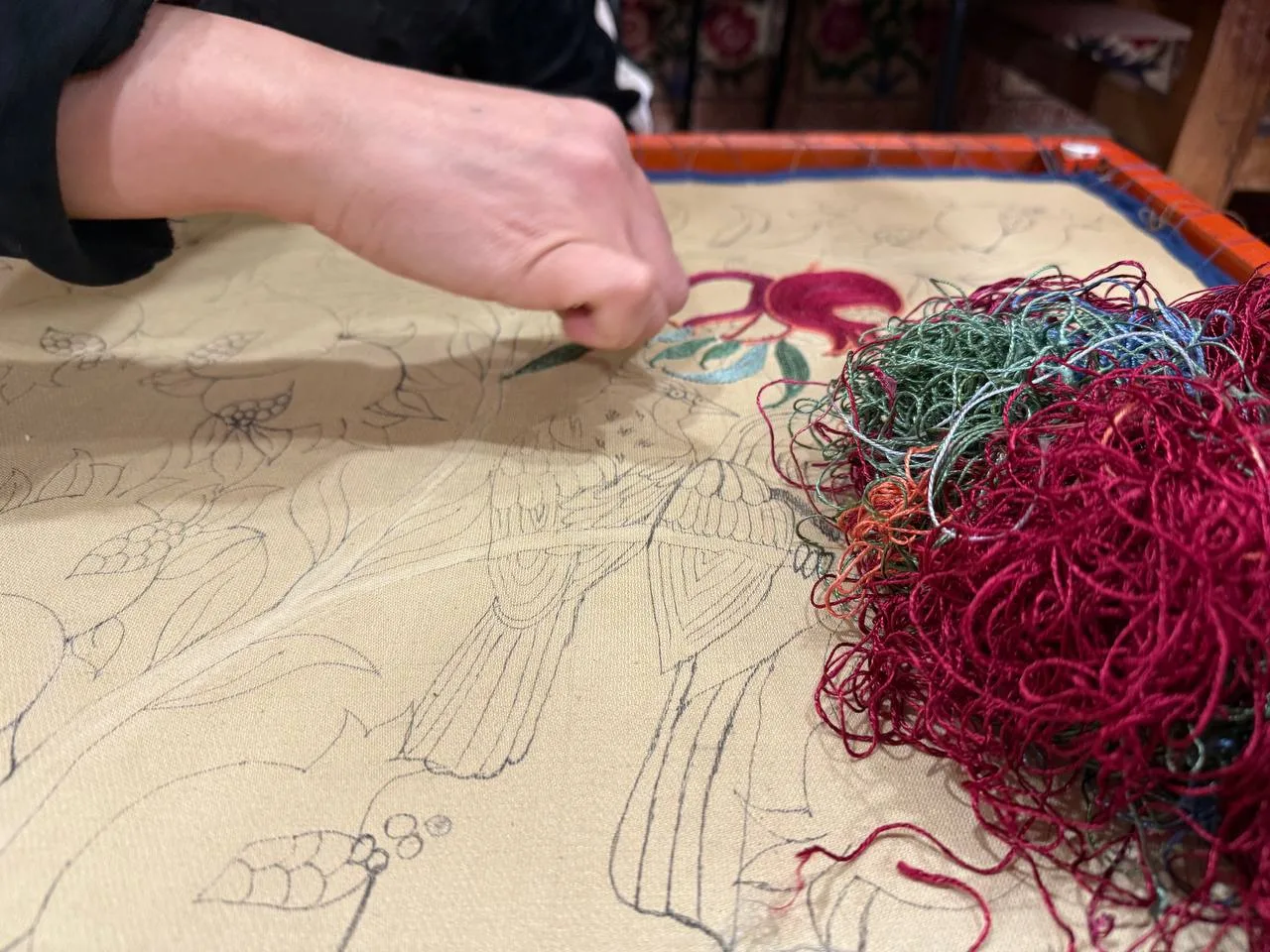
С чем технически связана рукописная традиция Коканда — так это с иллюминацией: расписные рамки и мелкие фигуративные детали, обрамлявшие каллиграфический текст в роскошных рукописях. Это ремесло все еще практикуется в нескольких сотнях километров оттуда, в Бухаре, где я двумя днями ранее прошла другую мастерскую — практический урок миниатюрной живописи с использованием тех же минеральных пигментов и тонких кистей, которыми когда-то расписывали бордюры кокандского Корана. Инструктор там, работающий в бухарской школьной традиции, а не кокандской, показал мне, что для правильного нанесения одного мотива листа требуется четыре отдельных слоя пигмента — деталь, значение которой я бы не поняла, если бы только что не стояла перед той страницей с водяным пятном.
Каково это было на самом деле
Стоя в музее, я почувствовала нечто более близкое к археологии, чем к туризму. Здесь не изучают ремесло — здесь смотрят на его остатки, и эти два опыта вызывают разные эмоции. В Бухаре у меня свело руку вокруг кисти уже к двадцатой минуте, и инструктор четыре раза поправлял мой хват, пока я не перестала сжимать кисть слишком близко к обойме. Это было продуктивно раздражающим — раздражением новичка, осваивающего что-то руками. В Коканде раздражение было другим: стоять за стеклом, не имея возможности прикоснуться к странице, пытаясь представить угол тростникового пера по фотографии руки писца на старой музейной схеме. Это настоящее чувство, и его стоит назвать честно, а не приукрашивать.
Экскурсовод музея, уроженец Коканда, изучавший историю дворца много лет, смог описать рецепт чернил — сажа, гуммиарабик, иногда кожура граната для особого черного цвета — в более техническими деталями, чем я ожидала. Это было ближе всего к уроку ремесла за всю поездку, и это был хороший урок, просто не практический.
Почему малая группа важна и здесь
CraftNCulture проводит расширение по Ферганской долине малыми группами, и это имело значение в таком месте, как Коканд, именно потому, что там нет мастерской, вокруг которой нужно выстраивать логистику — были только я, гид и столько времени перед одной витриной, сколько я хотела. В автобусном туре из тридцати человек вы получаете четыре минуты в этом музейном зале, прежде чем группа переходит во дворцовый двор. Я получила почти сорок. Это не преимущество ремесленного гостеприимства как такового — это преимущество исследования и внимательности, и логика та же самая: меньше людей означает больше пространства, чтобы действительно рассмотреть.
С чем я уехала
Я не увезла из Коканда предмет, что необычно для меня признавать в подобном тексте. Я увезла более ясную, честную картину того, чем сейчас на самом деле является каллиграфическая традиция Узбекистана — частично сохраненная в музейных витринах, частично живая в смежных ремеслах, таких как бухарская миниатюрная живопись, и пока не то, чему можно сесть и научиться прямо в Коканде. Если вас особенно привлекает исламское рукописное искусство, ближайший вариант — мастерская миниатюрной живописи CraftNCulture в Бухаре, которая разделяет пигменты, технику кисти и родословную с тем, что иллюминировали кокандские писцы, а если вы хотите увидеть регион, в котором находится Коканд, туры по Ферганской долине (однодневный из Ташкента или двухдневная версия по ремесленному сердцу региона) проведут вас через Риштан и Маргилан по пути, даже если ни один из них пока не заходит во дворец Коканда.
Упомянутые продукты CraftNCulture: Мастерская миниатюрной живописи и культурного погружения в Бухаре (2 ч, от $75) — ближайший практический аналог кокандской иллюминации рукописей, доступный для бронирования сейчас; туры «Ремесла Ферганской долины» (однодневный из Ташкента, $350, или двухдневная версия «ремесленное сердце», $450) — для путешественников, желающих увидеть более широкий регион.
About the author
CraftnCulture
The CraftnCulture editorial team — Tashkent-based cultural tourism specialists covering Uzbekistan travel, artisan crafts, and Silk Road heritage.