Сколько дней на самом деле нужно в Узбекистане? Честный разбор
Пять дней казались разумным сроком, когда я бронировала поездку. Ташкент, Самарканд, Бухара — три города, быстрый поезд между ними, дома до того, как разница во времени по-настоящему ударит. Такая арифметика у меня срабатывала в других странах. В Узбекистане не сработала, и разрыв между тем, что я спланировала, и тем, что реально понадобилось — и есть тема этой статьи.
Арифметика маршрута, которую никто честно не считает
Большинство статей о планировании поездки по Узбекистану рассматривают его как список галочек: увидеть Регистан, пройтись по старому городу Бухары, может быть, съездить на день в Хиву, если хватит амбиций. Эта логика работает, если вы турист из окна автобуса — сфотографировать резьбу по дереву, купить магнитик, ехать дальше. Она разваливается в тот момент, когда вы хотите сделать что-то своими руками.
Мастер-класс по золотому шитью в Бухаре длится два часа — и это только время за иглой. Добавьте дорогу, прогулку по старому городу до мастерской ремесленника, чай, который наливают до того, как кто-либо возьмётся за иглу, потому что визит начинается именно так — и вот уже полдня ушло на одно ремесло. Умножьте на желание попробовать больше одного ремесла в больше чем одном городе, и пять дней стремительно тают. На третий день своей поездки я вычеркнула два мастер-класса из-за того, что арифметика просто не сходилась, и жалею об обоих.
Вот честный ответ на вопрос, сколько дней нужно в Узбекистане: всё зависит от того, хотите вы наблюдать или участвовать. Наблюдение эффективно по времени. Участие стоит времени, и вся модель CraftNCulture построена вокруг второго варианта — поэтому их собственные туры не предлагают ничего короче пяти дней.
Почему одни только три города съедают пять дней
Ташкент, Самарканд и Бухара не расположены рядом друг с другом. Скоростной поезд «Afrosiyob» между Ташкентом и Самаркандом действительно быстрый — около двух часов, — но от Самарканда до Бухары добавляется ещё два, и это при условии отсутствия сбоев в расписании. Три города — это минимум два дня в дороге, и на маршруте в пять дней остаётся три дня на сами города. Разделите их поровну, и получится по одному дню на город, а одного дня в старом городе Бухары едва хватает на минарет Калян, торговые купола и обед — мастер-класс уже не помещается без того, чтобы что-то вычеркнуть.
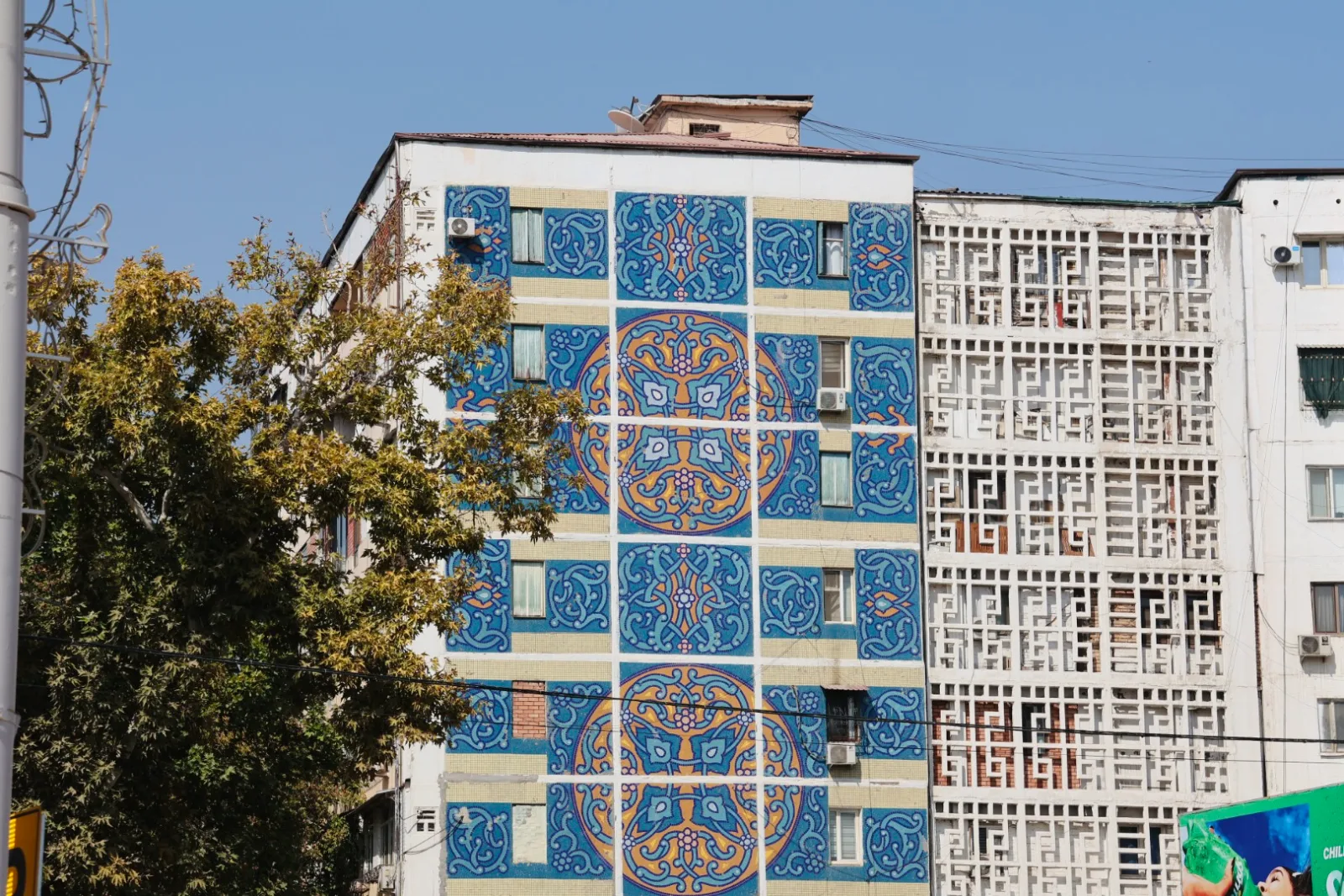
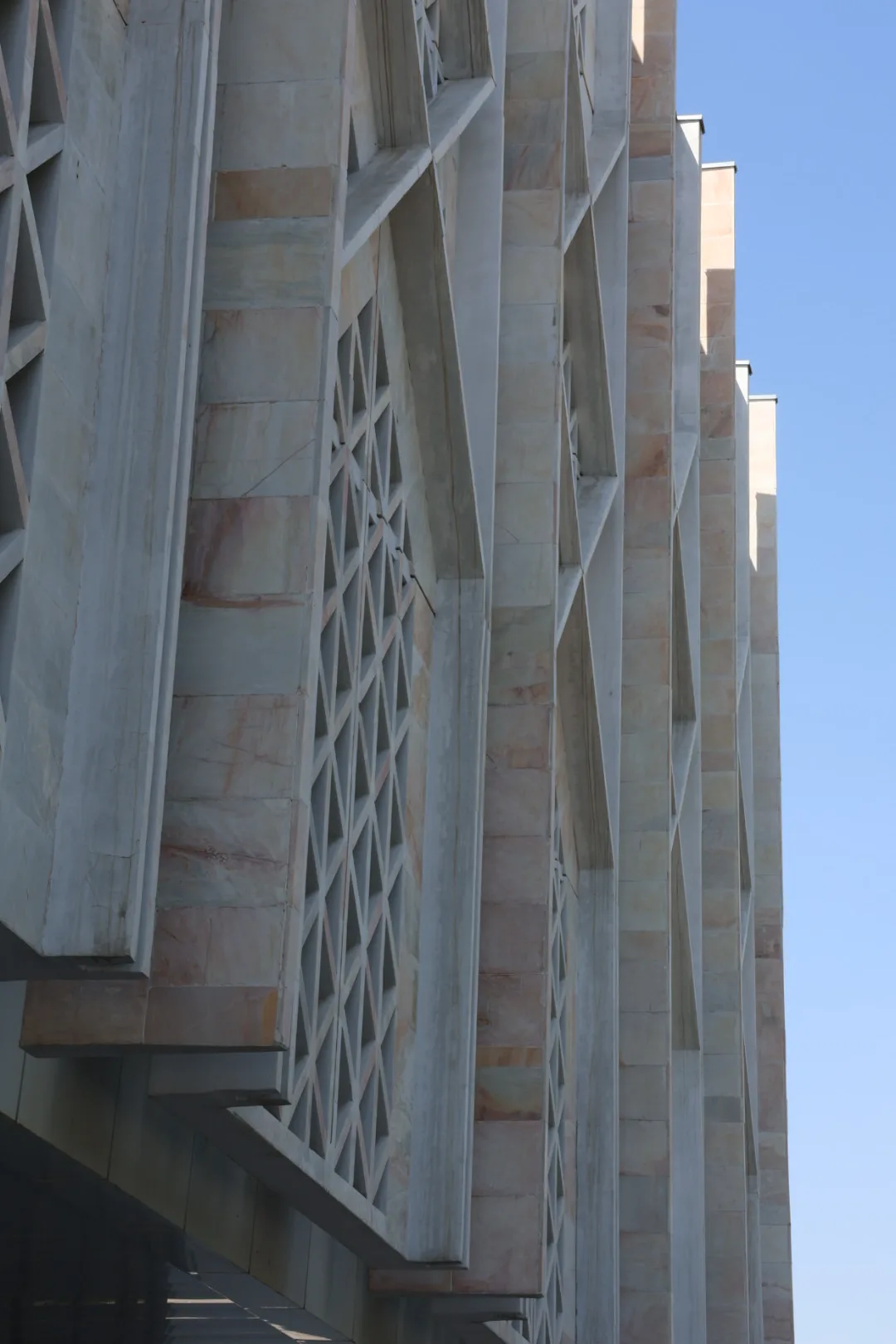
Я попыталась уложить пять дней, полностью отказавшись от Хивы и относясь к Ташкенту как к пересадочному пункту, а не к пункту назначения. Это разумное решение для первой поездки — советская архитектура Ташкента и станции метро стоят одного дня, а не двух, — но это кое о чём говорит: пятидневная версия этой поездки — уже поездка с вычеркнутыми пунктами, а не полноценная.
Что на самом деле даёт семь дней
7-дневный тур CraftNCulture «Живые традиции Шёлкового пути» добавляет два дня туда, где пятидневная версия была самой тонкой — время на ремёсла в Бухаре и Самарканде, а не дополнительные переезды. Разница не в «больше достопримечательностей». Это разница между демонстрацией сюзане, которую вы наблюдаете двадцать минут, и мастер-классом по сюзане, где вы сидите напротив мастерицы три часа, и ваши стежки заметно хуже её — так и задумано, потому что именно столько времени нужно, чтобы пройти дальше первого неуклюжего ряда.
Семь дней также означают, что поездка перестаёт ощущаться как эстафета. На пятидневной версии я собирала сумку через день. На семидневной есть достаточный запас времени, чтобы опоздавший поезд или затянувшийся мастер-класс не превратился в пропущенный единственный хороший ресторан следующего города. Этот запас стоит больше, чем кажется на бумаге — ценность более плотного маршрута действительно падает, потому что Узбекистан вознаграждает неторопливые утра так, как маршрут-список галочек не оставляет места сделать.
Когда честный ответ — десять дней
Если Хива для вас не подлежит обсуждению — а она должна быть такой, если вас вообще интересуют живые объекты наследия ЮНЕСКО — расчёт снова меняется. Хива расположена достаточно далеко на западе, чтобы добраться до неё без перелёта означало добавить целый день пути в каждую сторону. 10-дневное путешествие CraftNCulture «Культурное мастерское путешествие» построено так, чтобы правильно вместить эту стоимость, а не превращать Хиву в изматывающую поездку с ночёвкой в дороге, прикреплённую к пяти- или семидневному плану.
Десять дней — это ещё и момент, когда становится реальной Ферганская долина — керамические города и производство шёлка, которые большинство поездок по Узбекистану пропускают полностью, потому что времени не остаётся после Ташкента-Самарканда-Бухары. Я туда в этой поездке не добралась. Я уже из-за этого расстроена, что довольно честно говорит о том, что дополнительные дни того стоят, если они у вас есть.
Почему это важнее в маленькой группе
Эта арифметика работает иначе в большой группе. Мастерица золотого шитья, работающая с двадцатью людьми, управляет залом — показывает один раз, ходит между столами, поддерживает темп, чтобы никому не было скучно. Мастерица, работающая с восемью людьми, действительно поправляет вам хват иглы. Именно на эту поправку уходят два дополнительных дня семидневной поездки — не на новые остановки, а на больше внимания на тех, что уже есть. Сожмите маршрут — и вы теряете не только города, вы теряете ту версию мастер-класса, где у мастера есть время заметить, что вы делаете не так.
Итак: пять, семь или десять
Пять дней честны только если вас устраивает роль зрителя в Ташкенте, Самарканде и Бухаре, и вы не пытаетесь сделать что-то своими руками. Семь дней — реальный минимум для практической версии этой поездки — именно поэтому CraftNCulture не продаёт ничего короче как полноценный ремесленный тур, и, пройдя этот путь, я бы теперь спорила против более короткого варианта, даже если бы он был возможен. Десять дней — для тех, кто хочет Хиву и Ферганскую долину в одной поездке и готов заплатить за это и деньгами, и отпускными днями.
Семидневную версию я бы спланировала снова, не задумываясь. Что бы я изменила — не сжимала бы её до пяти дней с самого начала.
7-дневный тур CraftNCulture «Живые традиции Шёлкового пути» проходит по маршруту Ташкент–Самарканд–Бухара с ремесленными мастер-классами, встроенными в расписание, маленькими группами, от 1850 долларов на человека. 10-дневное «Культурное мастерское путешествие» расширяет маршрут до Хивы и Ферганской долины для тех, кто хочет более полную версию. Читайте больше историй CraftNCulture о ремёслах и планировании путешествий.
About the author
CraftnCulture
The CraftnCulture editorial team — Tashkent-based cultural tourism specialists covering Uzbekistan travel, artisan crafts, and Silk Road heritage.