Игла оказалась тяжелее, чем я ожидала.
Не как у обычного набора для шитья — эта игла имела настоящий вес, а нить, которую она несла, вовсе не была нитью. Это был плоский золотой шнур, почти лента, зажатая между остриём и тканью так, что я сразу поняла: у меня ничего не получится. И не раз.
Я сидела в мастерской в старом городе Бухары — комната с низким потолком, заваленная готовыми панно так, что золото, казалось, прорастало из каждой поверхности. Дилноза жестом пригласила меня сесть напротив, поправила пяльцы между нами и без церемоний вложила иглу мне в ладонь. Она почти не говорила по-английски. Ей это и не требовалось.
Как я здесь оказалась
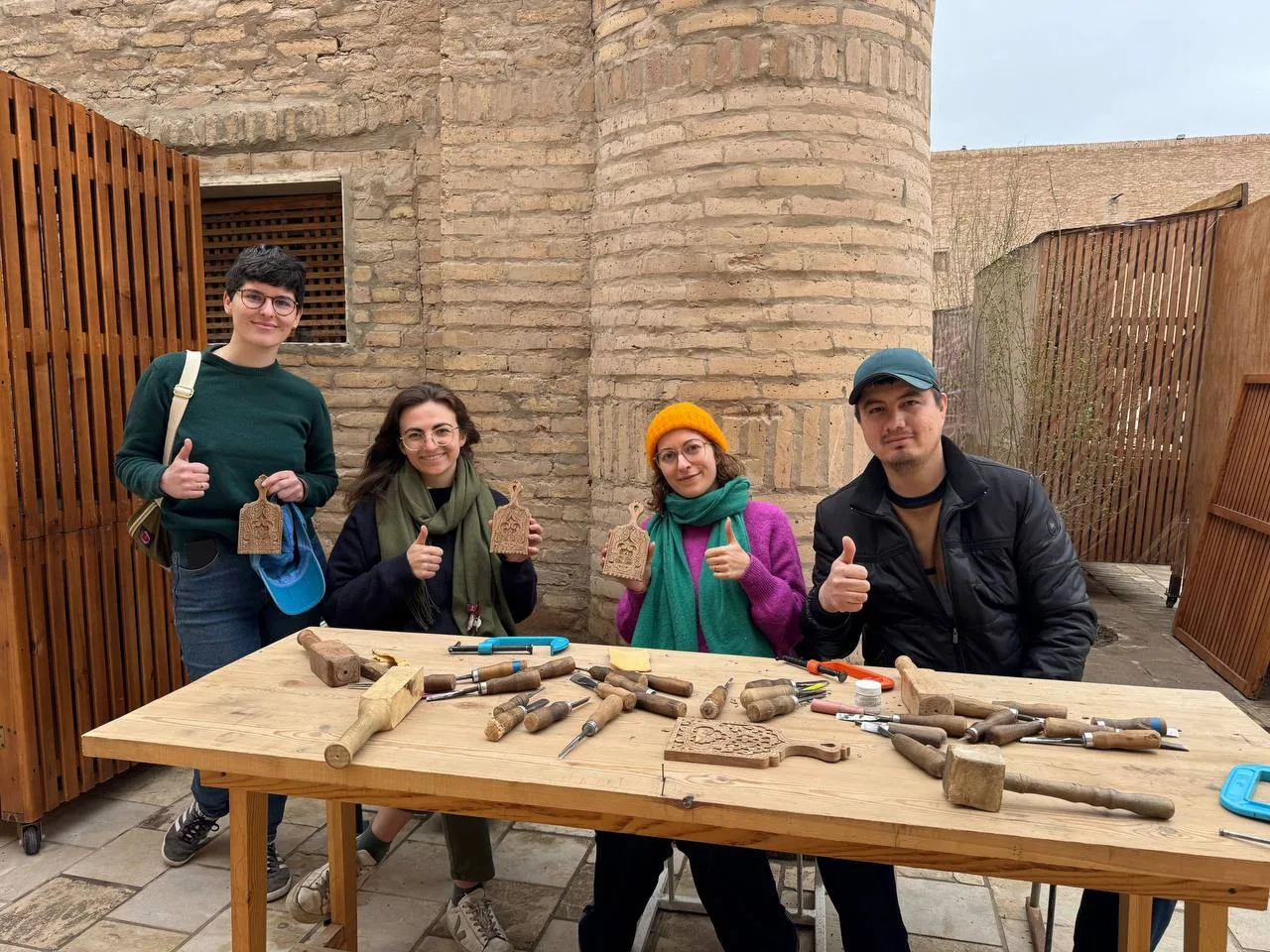
Я приехала в Бухару на четвёртый день культурного тура по Узбекистану в малой группе — нас было восемь человек, мы путешествовали с CraftNCulture из Ташкента через Самарканд. Малая группа — это не случайность, а осознанный выбор. Нельзя сделать то, что делали мы — сидеть в действующей мастерской, отнимать время у мастера, буквально трогать материалы — если вас двадцать. Восемь человек — это то количество, при котором мастер может следить за руками каждого. При котором можно задать глупый вопрос. При котором это не похоже на демонстрацию.
Я записалась на тур, потому что хотела чего-то большего, чем памятники. В каждой туристической статье про Узбекистан три абзаца посвящены Регистану — это, безусловно, потрясающе, — но я летела в Центральную Азию не для того, чтобы сфотографировать то, что уже видела на сотнях чужих фотографий. Я приехала, чтобы понять, как это место создаёт вещи. Каково это — оказаться внутри комнат, где на самом деле рождается красота.
Золотое шитьё — зардозлик по-узбекски — было тем, о необходимости увидеть что я даже не подозревала, пока не увидела.
Само ремесло
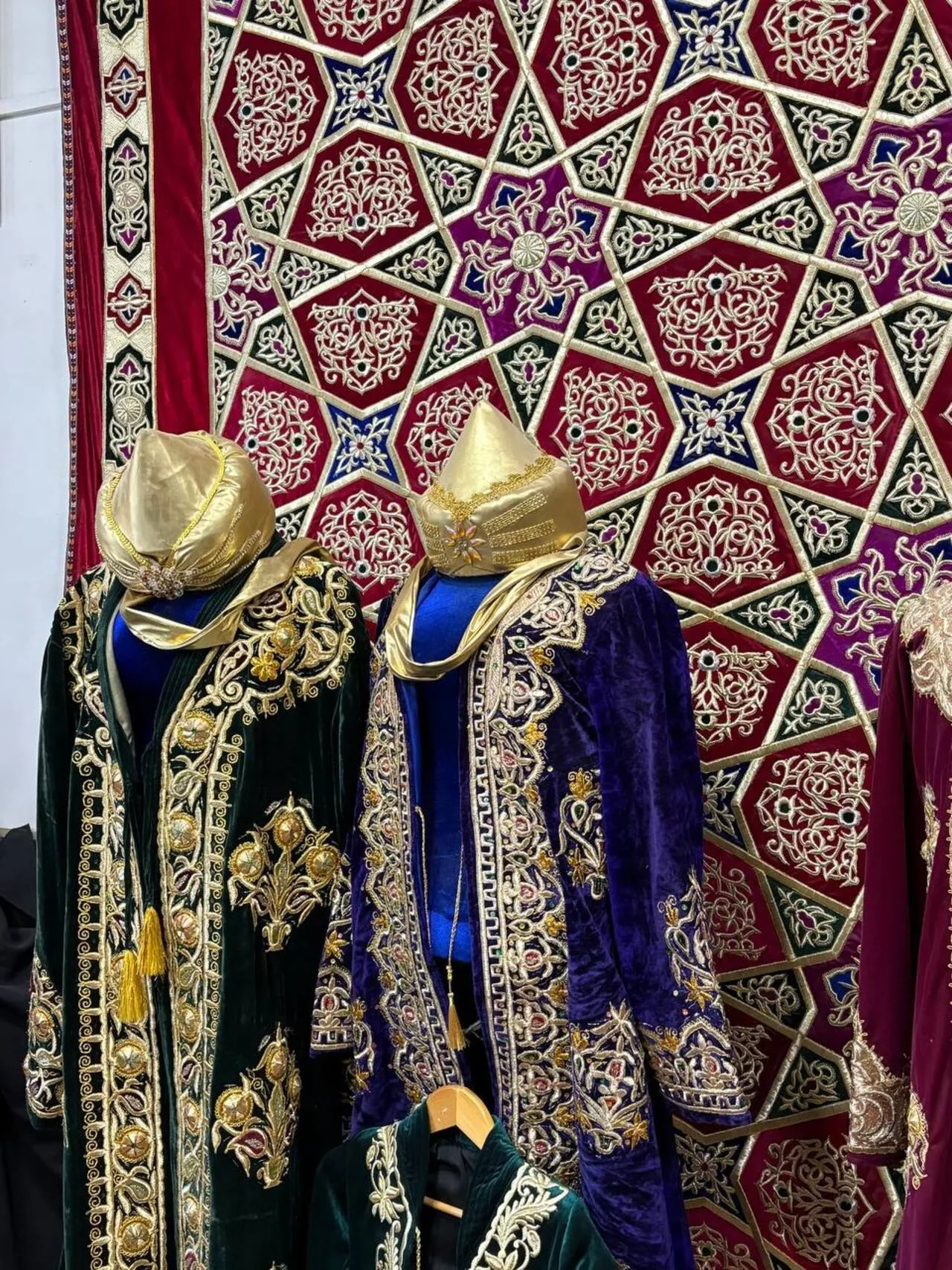
Бухара веками была центром золотого шитья на Шёлковом пути. Техника заключается в настиле металлической нити — плоской, скрученной или витой, золотой или серебряной — на бархат или шёлк почти невидимыми крепёжными стежками. Золотую нить не протягивают сквозь ткань. Её укладывают на поверхность и закрепляют, миллиметр за миллиметром, второй нитью снизу. В результате получается рельефная, почти трёхмерная фактура, по-разному отражающая свет в зависимости от угла. Вы наверняка видели это на царских одеяниях и церемониальных панно в музеях, даже не зная названия техники.
Дилноза занимается этим с подросткового возраста. Скорость её работы было почти неловко наблюдать.
Когда настала моя очередь, я сразу поняла: то, что со стороны выглядит терпением, на самом деле — точность. Здесь нельзя действовать наугад: угол иглы, натяжение закрепляющей нити, то, как золотой шнур должен лежать ровно, иначе он собирается складками. За то время, что она закончила полную пальметту размером с мою ладонь, я сделала около четырёх сантиметров простого вьющегося узора. Мои четыре сантиметра были неровными. В одном месте ткань стянуло. Золотой шнур на конце слегка завился — судя по всему, это значит, что я слишком сильно натягивала нить в запястье.
Дилноза протянула руку, ничего не сказала и показала прямо на моей руке. Поправка была мгновенной, физической и совершенно невозможной для объяснения любым другим способом. Вот чего не даст ни одно видео-руководство: знание живёт в мышцах, а не в инструкции.
Каково это на самом деле
Честно скажу: за два часа вы не сделаете ничего хорошего. Речь не об этом. Что вы точно испытаете — это внезапное и полное уважение к каждому изделию с золотым шитьём, которое вы когда-либо видели — в музее, в сувенирном магазине, под стеклом. Вы перестанете видеть просто «декоративный текстиль» и начнёте видеть годы чьей-то работы руками.
На стене за спиной Дилнозы висело панно, заказанное на свадьбу. Примерно метр на метр, и она работала над ним уже три недели. После двадцати минут с иглой в руках я смотрела на него совершенно иначе.
Ещё одна вещь, которую я не ожидала: это по-хорошему замедляет вас. Снаружи гудел старый город — синие купола, торговые купола, запах сухофруктов из лавки где-то за углом. Внутри — только звук нити и пяльцев да редкие тихие подсказки. Есть в этом какое-то медитативное качество, которое я могу описать только как полную противоположность туризму.
Почему важен размер малой группы
В тот день училось семеро. Пара американцев, постоянно сравнивавших успехи друг друга, будто это соревнование. Одиночная путешественница из Японии, которая почти не поднимала головы, как только втянулась. И я. У каждого из нас были свои пяльцы, свои материалы, своя версия Дилнозы, следящей за руками.
В группе из двадцати человек она бы просто демонстрировала. В группе из восьми, в туре, созданном именно для этого, она учила.
Эта разница — всё.
Что я увезла домой
Небольшой вышитый фрагмент, достаточно несовершенный, чтобы быть узнаваемо моим, завёрнутый в бумагу. Знание, что зардозлик — это не украшение, а документ. Узоры несут смысл: гранаты — плодородие, лозы — связь, птицы — свободу. И тихую уверенность, что я хочу вернуться, провести здесь неделю и наконец перестать стягивать ткань.
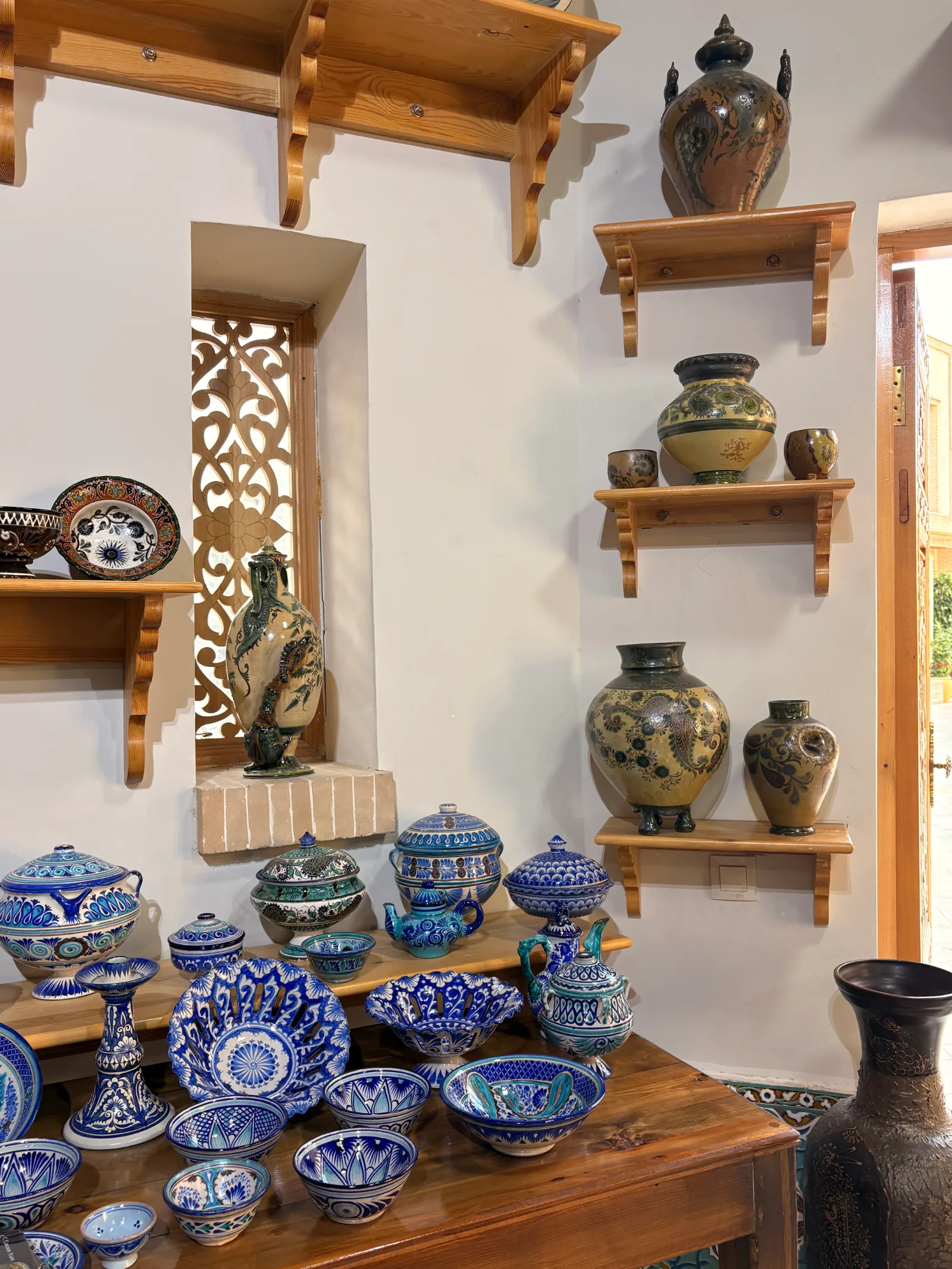
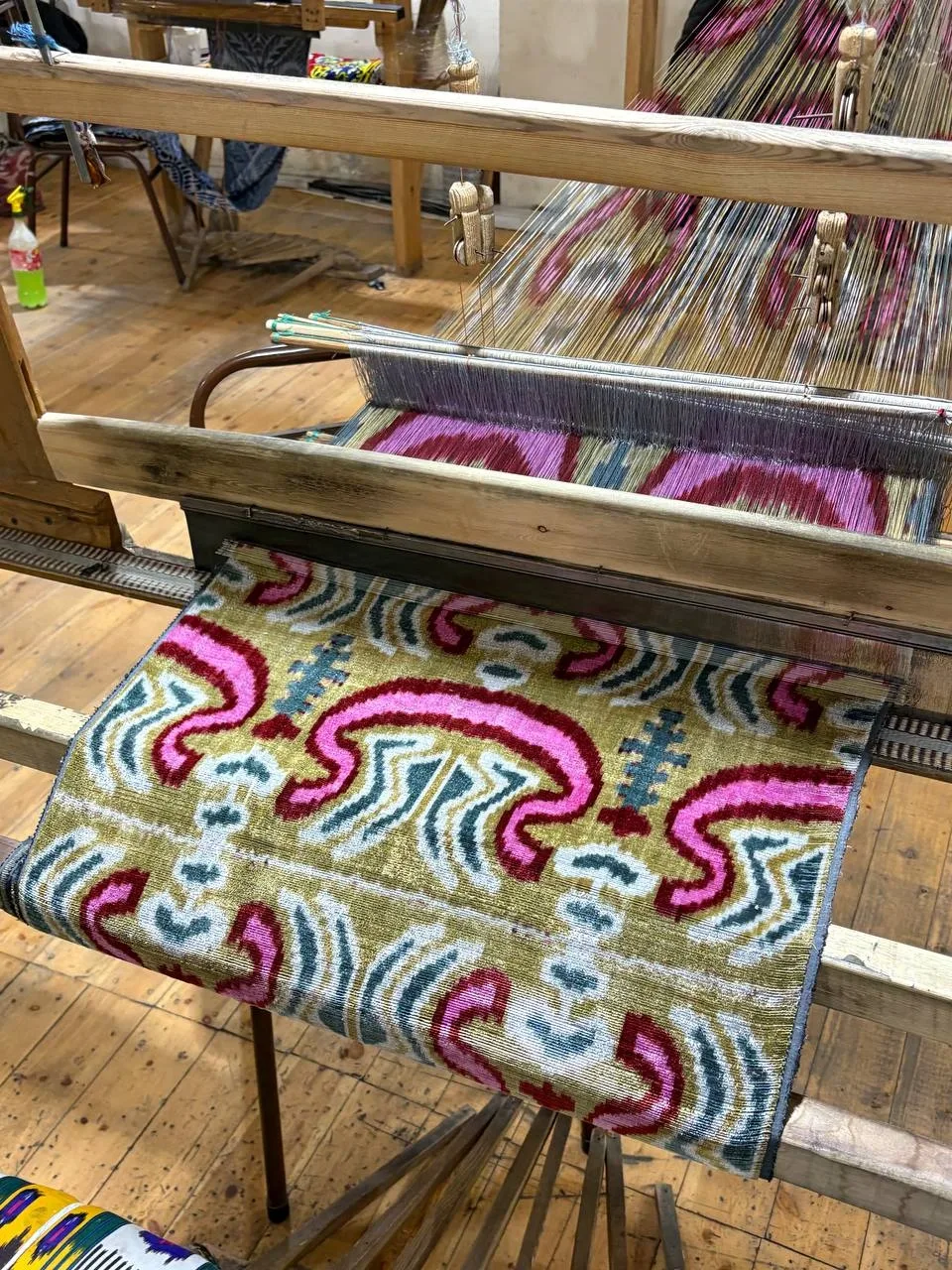
7-дневное путешествие CraftNCulture по Узбекистану включает эту сессию в Бухаре наряду с керамикой, ковроткачеством, миниатюрной живописью и другим — всегда с действующими мастерами, никогда больше восьми гостей. $1,850 с человека.
Это не турпакет. Это образование.
CraftNCulture проводит культурные туры по Узбекистану в малых группах. Ближайшие даты: сентябрь–октябрь 2026.
About the author
CraftnCulture
The CraftnCulture editorial team — Tashkent-based cultural tourism specialists covering Uzbekistan travel, artisan crafts, and Silk Road heritage.