Chorsu Bazaar Guide: What to Eat, Buy, and Notice First
If you are building your Tashkent plans around one market, let it be Chorsu. A proper Chorsu Bazaar guide should do more than tell you it is “colorful” or “good for souvenirs.” Chorsu is where you start to understand how a city feeds itself, how people greet each other, what matters enough to buy fresh every morning, and which traditions still feel fully alive.
Come early and you will catch the market at its most honest. Bread is still warm. Herb sellers are arranging mint, dill, and green onions in careful piles. Men in skullcaps lean over spice tables discussing quality, not price. Women move quickly with lists in hand because this is not a performance for tourists. It is a working market, and that is exactly why it is worth visiting.
Why Chorsu Bazaar Matters More Than a Typical Sightseeing Stop
Many travelers treat Chorsu Bazaar Tashkent as a quick photo stop between the metro and old city monuments. That misses the point. Chorsu is one of the few places where daily life, food culture, trade, hospitality, and urban rhythm all meet under one roof and in the lanes around it.
The blue-domed main hall is the visual anchor, but the real experience is layered. Inside, you will find dried fruit, nuts, spices, kurt, sweets, and rounds of non bread stacked like edible architecture. Outside, the market keeps unfolding: butchers, produce stalls, seasonal snacks, knife sellers, fabric corners, and kitchen tools that tell you a lot about Uzbek domestic life.
If you want to understand Uzbekistan beyond postcard monuments, markets are essential. The same goes for places like /blog/tashkent-travel-guide, /blog/uzbekistan-travel-guide, and /blog/uzbek-customs-etiquette-travelers-guide, but Chorsu gives you the fastest, most sensory introduction.
What to Eat First at Chorsu Bazaar
The biggest mistake people make at a Tashkent food market is arriving full, walking too fast, and buying only packaged items. Chorsu rewards curiosity.
Start with bread
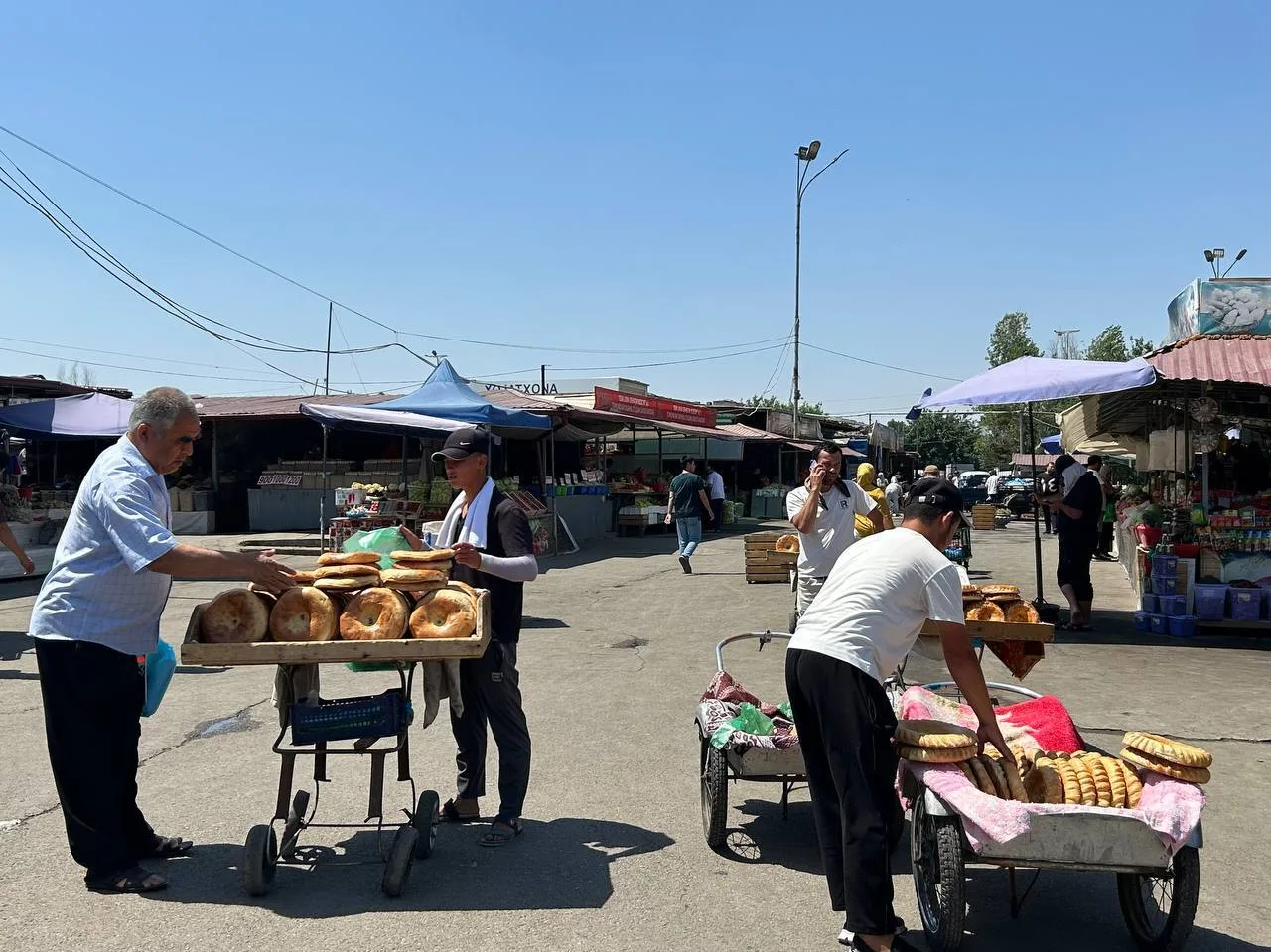
Uzbek non is not just bread; it is part of daily ritual. Look for vendors selling freshly baked rounds with crisp patterned centers and soft interiors. Different regions have their own styles, but even in Tashkent you will see variation in thickness, decoration, and density. If you spot a stall with bread still slightly warm, that is your first buy.
Move to dried fruit and nuts
Apricots, raisins, prunes, walnuts, almonds, pistachios, and sometimes melon seeds are displayed in a way that makes restraint difficult. Ask for a small mixed tasting if the seller seems open. Quality matters more than volume here. You are looking for deep flavor, not glossy appearance. You will need to go to the second floor of the main blue dome to find those.
Look for local dairy snacks and sweets
Kurt, the firm salted yogurt balls many visitors remember long after their trip, can be an acquired taste but it is worth trying. You may also find halva done from sunflower seeds, sesame sweets, crystallized sugar, and local candies sold by weight.
Follow the smell of samsa and cooked food
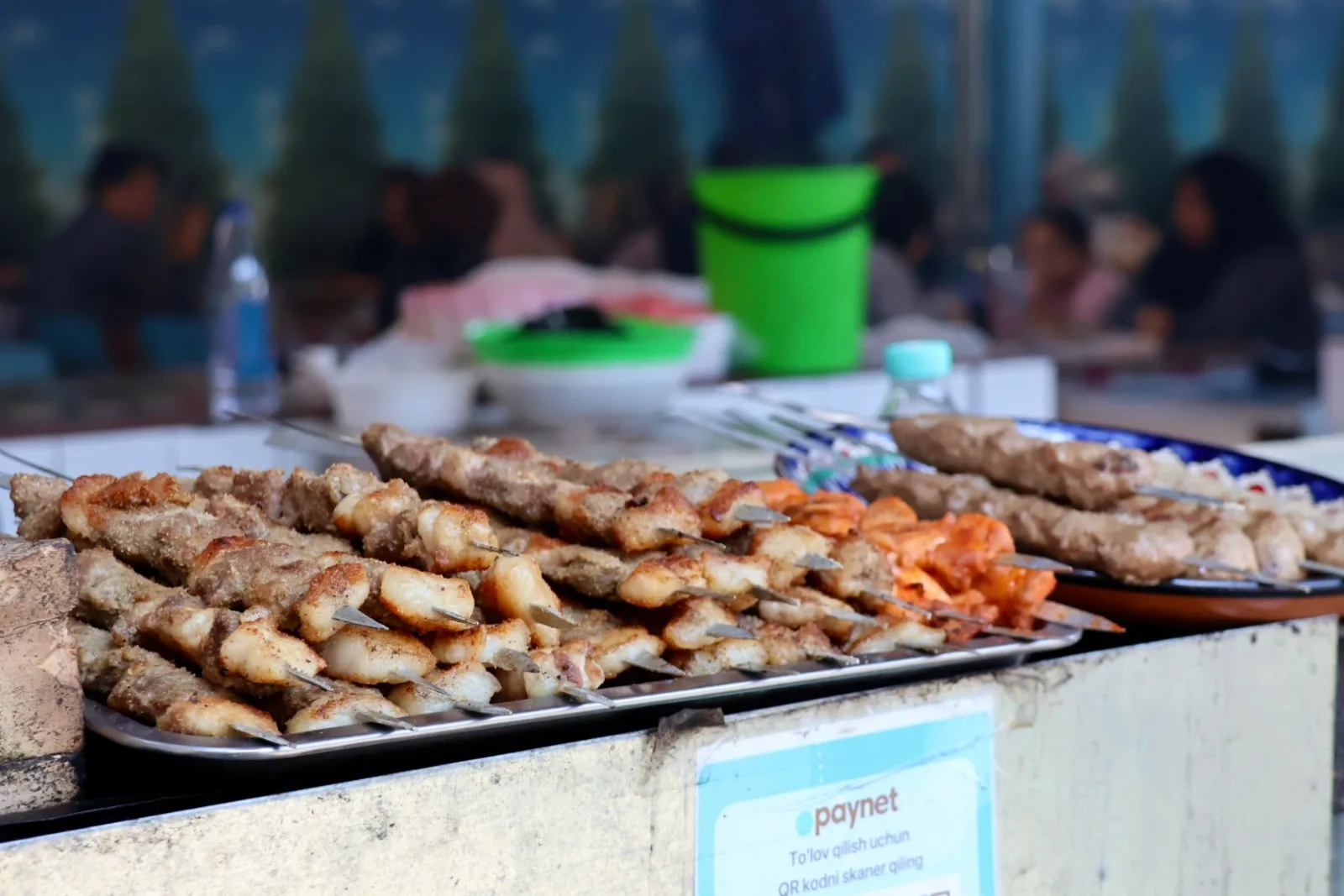
Around the market area, not always in the central hall itself, you can usually find hot snacks: flaky samsa, grilled meats, and simple dishes cooked for workers and shoppers. If you see a place with fast turnover and mostly locals, that is a good sign.
Buy produce if you are staying somewhere with a kitchen
Even a simple tomato, cucumber, and herb salad tastes different when the ingredients are genuinely fresh. In spring and early summer especially, the quality can be excellent.
What to Buy at Chorsu Bazaar Without Ending Up With Junk
When people search what to buy at Chorsu Bazaar, they usually mean souvenirs. Fair enough. But the better question is: what here reflects real use, real craft, or real food culture?
Best food buys
- Saffron-colored spice blends for plov, if the seller can explain what is inside
- Whole cumin, black sesame, or barberry for cooking
- Dried apricots and raisins from trusted stalls
- Proper Uzbek tea or herbs if you want something light to carry home
Best practical souvenirs
- Hand-forged kitchen knives, but only if you understand customs rules for taking them home
- Ceramic bowls or plates from reputable sellers
- Traditional textiles in smaller, packable forms like table runners or cushion covers
- Tea bowls and serving pieces that connect to everyday hospitality
What to avoid
Avoid buying because the display looks “exotic.” Some stalls near tourist traffic lean into low-quality generic souvenirs. If everything looks mass-produced and nobody local seems interested, move on. The better buys usually come from sellers who speak plainly, know their products well, and do not rush you.
For travelers who want deeper craft context, articles like /blog/margilan-silk-ikat-weaving-uzbekistan and /blog/the-art-of-uzbek-ceramics-a-2000-year-tradition give a stronger foundation than impulse shopping alone.
What to Notice First Beyond the Food and Goods
A strong Chorsu Bazaar guide should also train your eye.
Notice the rhythm of greetings
The market is social before it is transactional. Watch how often sellers greet regulars, ask about family, or offer a small taste before any money changes hands. Hospitality is not an add-on in Uzbekistan. It is part of how trust works.
Notice who is shopping for what
Older women often move with total precision. Restaurant buyers focus differently than casual shoppers. Men may spend longer comparing meat, bread, or teahouse items. If you slow down, you start seeing the market as a map of domestic priorities.
Notice seasonality
Chorsu changes with the year. In spring, greens and herbs feel especially alive. In autumn, melons, grapes, and pomegranates can dominate. A market visit in April is not the same as one in October, which is why timing matters as much as stall selection.
Notice the architecture, then look past it
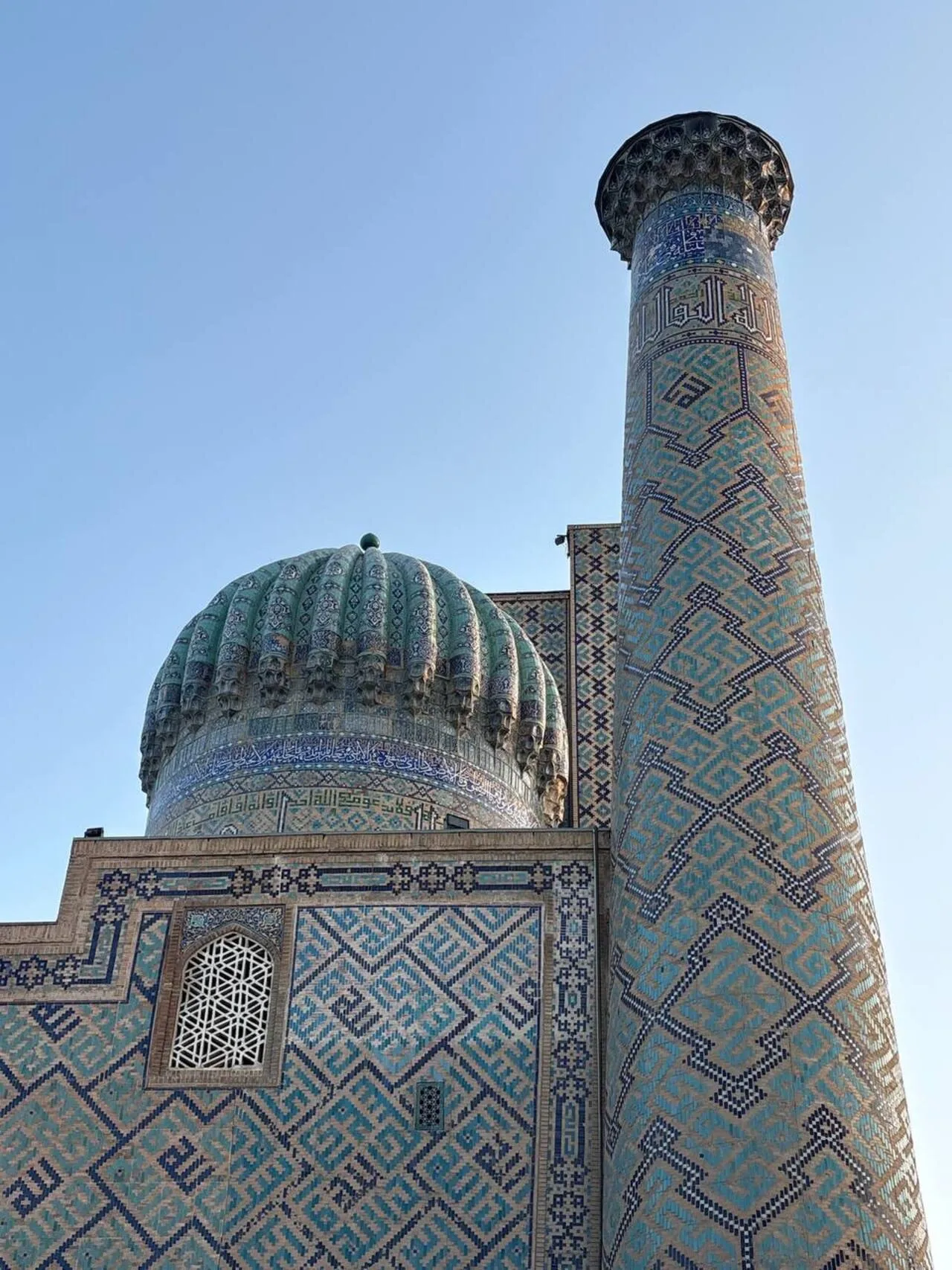
Yes, the blue dome is photogenic. Yes, it is part of the experience. But do not let architecture distract you from people. The market becomes meaningful when you pay attention to hands, voices, baskets, weighing scales, and the choreography of ordinary work.
Practical Tips for Visiting Chorsu Bazaar
Go in the morning
Early morning is best for freshness, energy, and a more authentic flow. By midday, especially in warm months, the experience gets slower and less sharp.
Bring cash
Some sellers may accept digital payment, but cash is still the easiest way to move through the market without friction.
Dress simply and comfortably
Nothing special is required. Just wear shoes you can stand in and clothes suited to the weather. If you are thinking more broadly about packing, /blog/what-to-wear-uzbekistan-dress-code-guide covers the basics.
Ask before photographing people closely
Wide market shots are usually fine. Close portraits deserve permission. A smile and a gesture go a long way.
Do not bargain aggressively over tiny amounts
Negotiation exists, but this is not the place to turn every interaction into a contest. Respect matters more than shaving off a small sum.
Pair Chorsu with the Old City
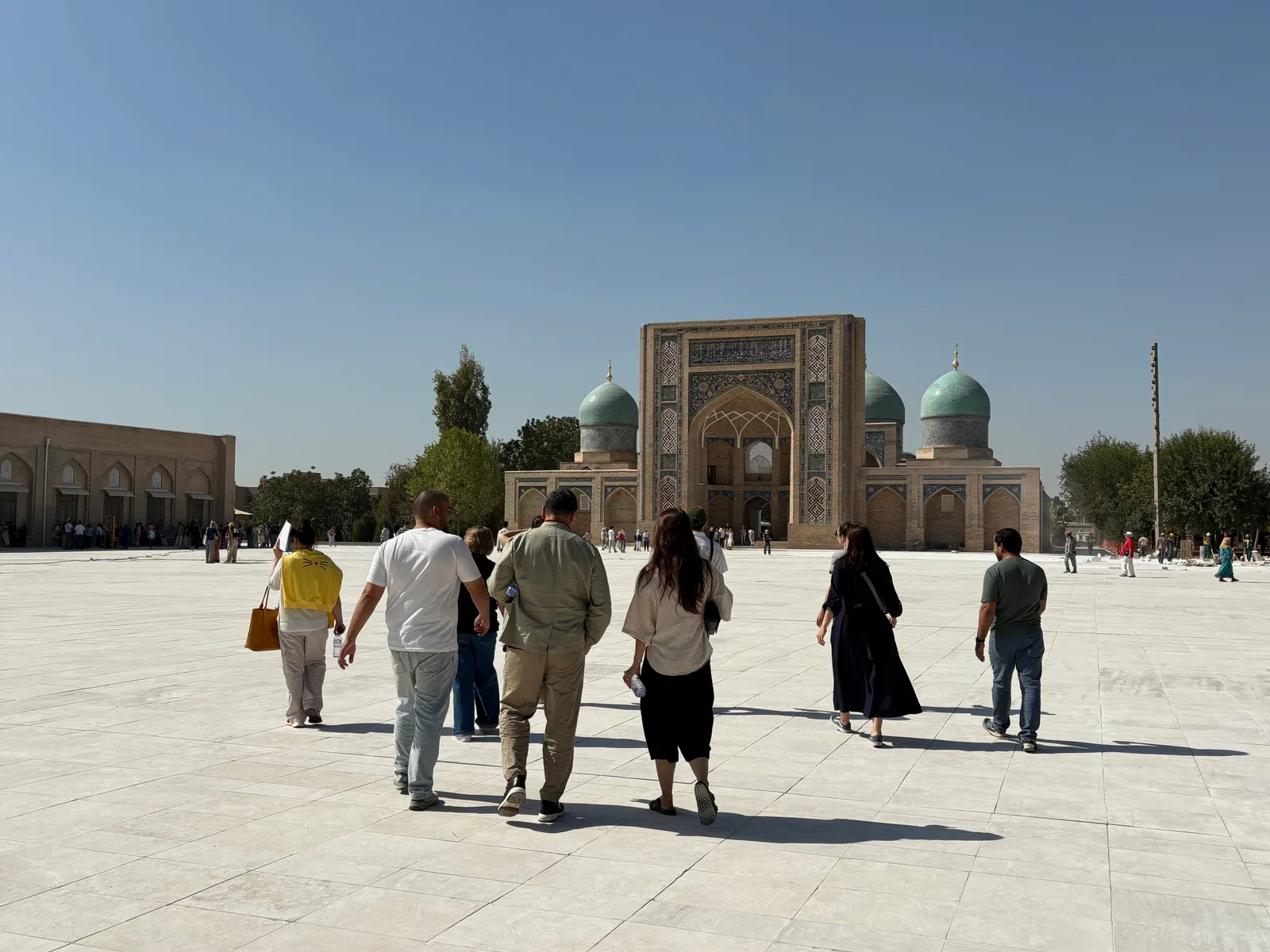
The market works especially well when combined with Khast Imam, a mahalla walk, or a food-focused half day. That gives context instead of turning the bazaar into an isolated errand.
The Best Way to Experience Chorsu: With Context, Not Just a Camera
You can absolutely visit alone, and many people do. But the difference between “we saw a market” and “we understood something real about Tashkent” usually comes down to context. Knowing why one bread matters more than another, why a spice seller arranges products a certain way, or how market etiquette reflects Uzbek hospitality changes the experience completely.
That is how we approach Tashkent. Not as a checklist city, and not as a performance. We build experiences around people, food, craft, and neighborhoods that still have their own pulse. If you want to explore Chorsu Bazaar as part of a deeper day in the city, see our /tours or contact us through /contact. We will help you build something more grounded than a quick pass under the dome.
Chorsu is worth your time because it is not polished for you. It is alive without needing your approval. And if you pay attention, it will tell you a great deal about Uzbekistan in a single morning.
About the author
Julia Drzymała
Polish creative director and cultural storyteller. Co-founded CraftnCulture in 2024 to connect Uzbekistan's master artisans with travelers worldwide.