Рюкзак по Шёлковому пути: сколько на самом деле стоит бюджетное путешествие вглубь Узбекистана
Водитель маршрутки отмахнулся от моей купюры в 50 000 сумов и указал на банкноту помельче. Я переплатила примерно на четыре доллара, и он не собирался их брать. Именно такие моменты — мелкие, совсем не эффектные торги — не попадают в типичные маршруты по Центральной Азии. А ведь именно от них зависит, получится ли бюджетное путешествие по внутренним районам Узбекистана на самом деле, а не только на бумаге.
Как я до этого дошла
Я читала обычные обещания про бюджетный backpacking по Шёлковому пути через внутренние районы Узбекистана — дешёвые поезда, дружелюбные местные, валюта, которой хватает надолго. Большая часть оказалась правдой, что удивило меня больше, чем должно было. Я приехала с таблицей в телефоне: 35 долларов в день, всё включено, три недели — от Ташкента через Самарканд и Бухару до Ферганской долины, минуя привычный маршрут на Хиву, которым идут почти все туристические автобусы. Мне хотелось узнать, сколько реально стоит маршрут через внутренние города — те, что между открыточными столицами, — когда логистику никто не организует за тебя.
Короткий ответ: получилось, но не так, как обещают блоги. Дешевле всего обходились не гостиницы. Дешевле всего обходились поезда.
Маршруты, которые реально работают
Скоростной поезд «Афросиёб» между Ташкентом и Самаркандом продаёт эконом-класс дешевле, чем стоило такси от аэропорта до моего первого хостела. Этот факт полностью меняет логику поездки: сначала поезд, потом маршрутка — вот бюджетная основа путешествия здесь, а не туристические автобусные компании. Маршрутки — микроавтобусы, которые отправляются не по расписанию, а когда заполнятся, — связывают небольшие города, куда поезда не ходят, и стоят смешных денег, если платить без сдачи и не спорить за место у открытого окна.
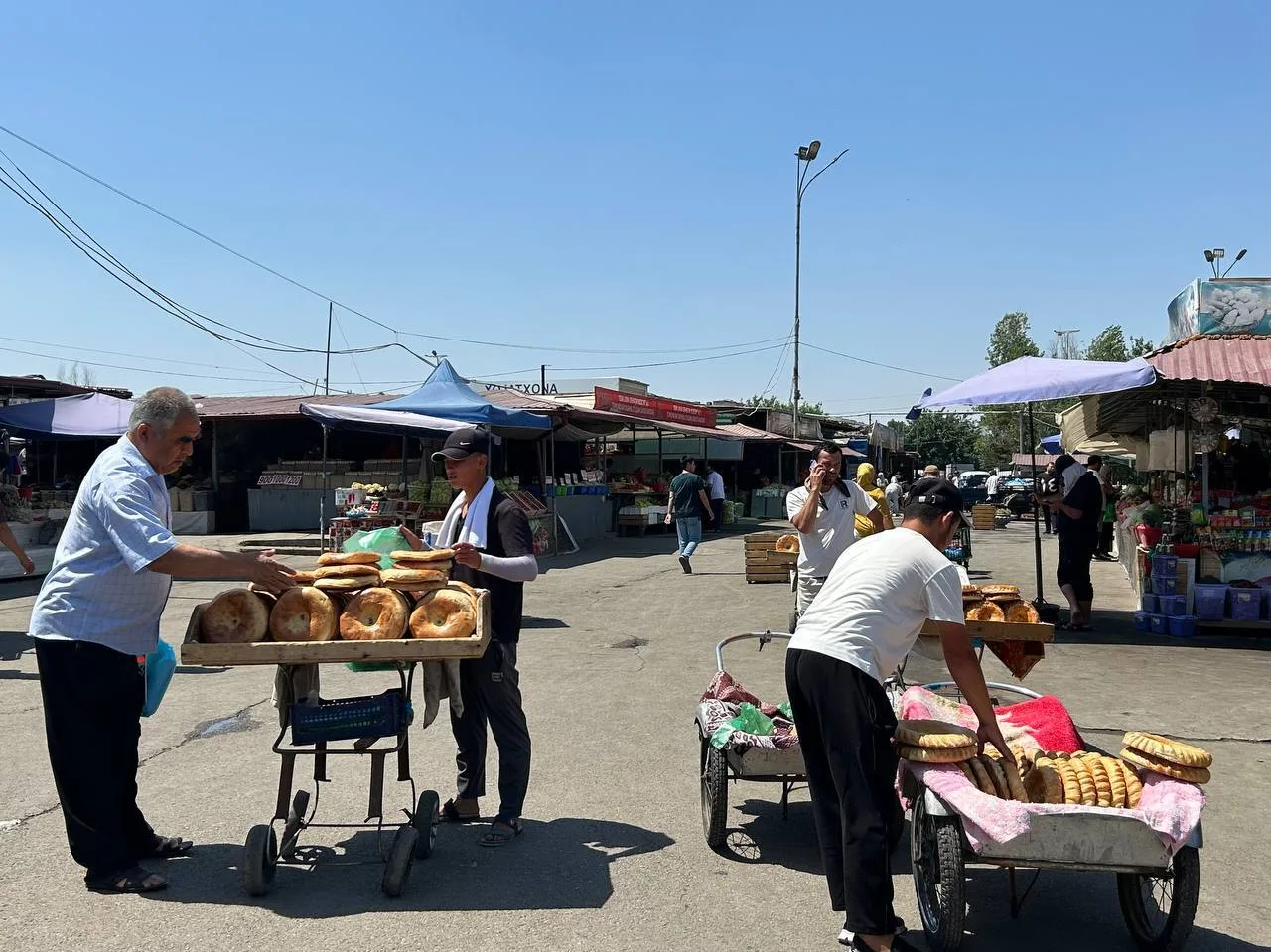
Самым неожиданным оказался внутренний маршрут из Самарканда в Ферганскую долину по земле, через перевал Камчик. Его редко предлагают агентства — он медленнее и не так фотогеничен, как перелёт, — зато втрое дешевле, и именно там я по-настоящему разговаривала с людьми: женщина продавала лепёшки в окно на остановке, двое студентов, ехавших домой на праздники, сорок минут пытались объяснить мне правила карточной игры смесью русского и жестов.
Каково это на самом деле
Не буду притворяться, что бюджетное путешествие здесь так же комфортно, как пакетный тур. Поезда хорошие; гостевые дома — очень по-разному. В Бухаре у меня был номер с работающим душем и отличным завтраком за 9 долларов за ночь, а под Кокандом — комната, которую я великодушно назову «кроватью». Никто не предупреждает, что в самых дешёвых чайханах — а это часто лучшая еда в городе — меню не бывает на понятном языке, и показать пальцем на тарелку соседей работает надёжнее любого разговорника.
Усталость тоже настоящая. Бюджетное путешествие по внутренним районам означает больше ожидания: пока заполнится маршрутка, пока найдётся стыковка, пока кто-то найдёт вам комнату, потому что забронированной онлайн на самом деле не существует. Вы меняете удобство на контакт со страной такой, какая она есть, а не такой, какую показывают автобусу туристов по расписанию. В какие-то дни этот обмен казался выгодным. В день, когда я три часа сидела на автовокзале Намангана без понятного времени отправления, он казался ошибкой.
Где организованный тур себя оправдывает
Я бы снова поехала по внутренним районам бюджетно, но уже ко второй неделе поняла, почему CraftNCulture и похожие операторы водят небольшие группы с фиксированными датами по тем же самым городам, а не оставляют путешественников самим разбираться со стыковками. Группа из шести-восьми человек, идущая по Ферганской долине с гидом, который уже знает, какой водитель маршрутки приезжает вовремя, — это не обман опыта, а выкуп тех часов, что я провела стоя на автовокзалах, в обмен на настоящее время с мастерами и в мастерских, куда одиночному бюджетному путешественнику часто просто не попасть. Внутренние города вознаграждают неспешность, но не вознаграждают потраченное впустую время, а бюджетное путешествие здесь неизбежно связано именно с этим.
Что я посоветую тем, кто едет этим маршрутом
Закладывайте 30–40 долларов в день вне трёх крупных городов, ближе к 50 в Самарканде и Бухаре, если хотите отдельную комнату с горячей водой без сюрпризов. Билеты на «Афросиёб» бронируйте за несколько дней в высокий сезон — они распродаются. Носите мелкие купюры везде: в семь утра ни у кого нет сдачи со 100 000 сумов. И не пропускайте внутренние города ради экономии дня — тот Узбекистан, который вы на самом деле ищете, тот, что не работает на публику для автобусов, живёт на остановках маршруток между городами, о которых все слышали.
Если три недели самостоятельной сборки маршрута по Ферганской долине — это не та поездка, на которую у вас есть время, CraftNCulture проводит небольшие культурные туры по тем же внутренним городам — Коканд, Риштан, Маргилан — с уже решённой логистикой и доступом к мастерам, который одиночному путешественнику обычно не организовать. Даты и подробности — на странице тура; группы остаются меньше десяти человек.
Больше историй CraftNCulture о Ферганской долине и внутренних городах Шёлкового пути.
About the author
CraftnCulture
The CraftnCulture editorial team — Tashkent-based cultural tourism specialists covering Uzbekistan travel, artisan crafts, and Silk Road heritage.