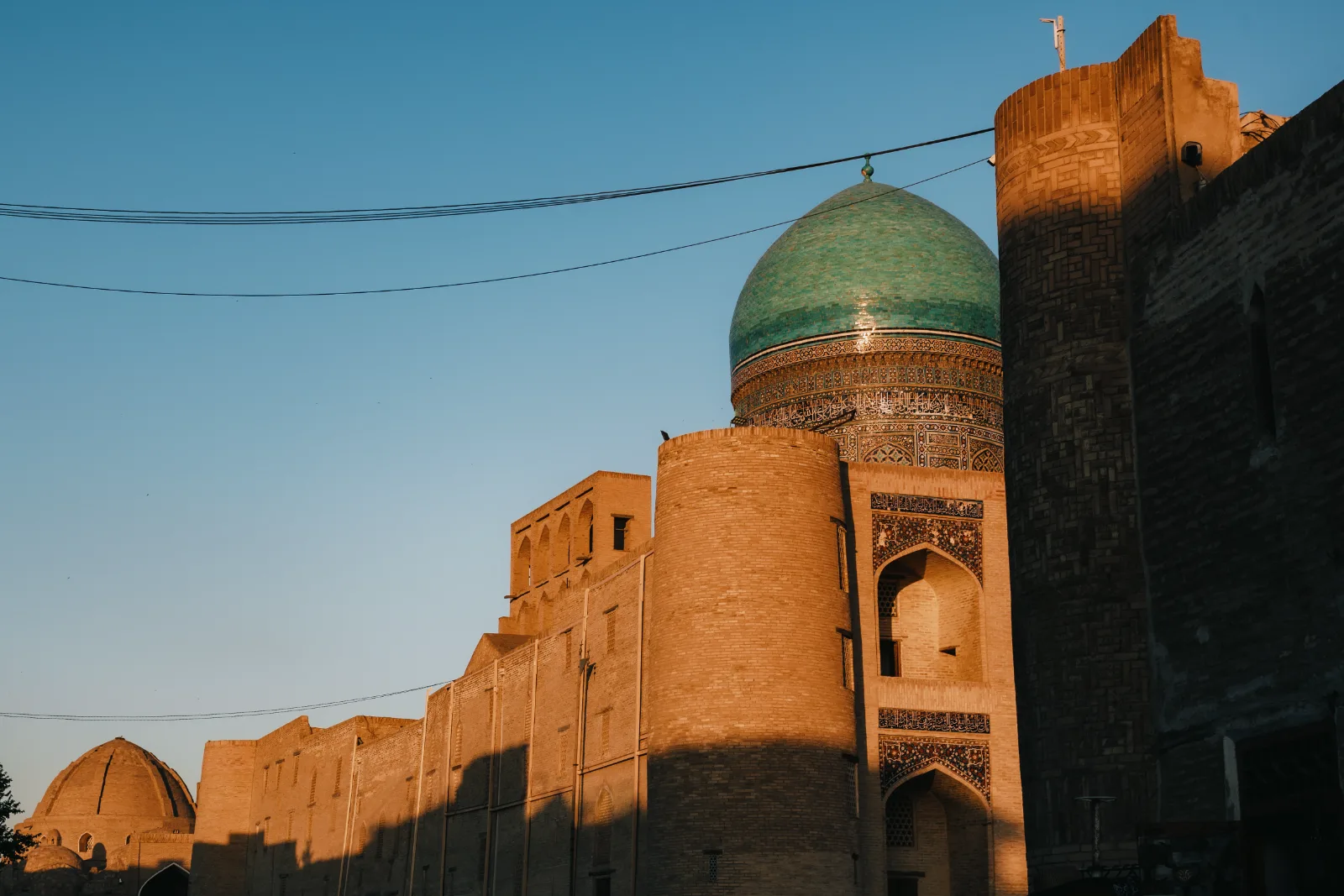
Запах тёплого хлеба и пыли пришёл вместе с первым сигналом автобуса в Бухаре. Я не был готов к этому ритму. Я ждал маршрут с красивыми фото и отчётливыми этапами, но этот 10-дневный маршрут по Узбекистану встретил меня упрямыми пальцами и уставшими запястьями.
Как этот 10-дневный маршрут по Узбекистану сменил мой темп
Я приехал в Бухару, потому что хотел компактную версию Шёлкового пути без иллюзии, будто семь часов между городами автоматически делают путешествие интересным. Первое полдня не было вводной лекцией. Это была тихая прогулка к входу в мастерскую, где мастер попросил дважды помыть руки и убрать телефон.
Мастерская в Бухаре называлась «вышивка». Я ожидал рисунок по трафарету на бумаге. На практике выяснилось, где моя первая строчка должна быть не там, где я хотел. Игла оказалась тяжелее, чем я думал для такого «неброского» фрагмента. Я уколол палец, перебрал с натяжением нити и быстро понял: рука должна двигаться медленнее, чтобы совпасть с тканью.
Я выбрал эту тему не только ради календарного плана. Во мне был практический вопрос: может ли длинный маршрут в формате «Самарканд, Бухара, Хива» оставаться по-настоящему практическим, или это останется туром с ремеслом «для галочки».
Первые два дня в Бухаре дали ответ. Все работали в разном темпе, но цикл повторялся: резать, выравнивать, шить, ждать. Я поглядывал на часы и видел, что они ничего не объясняют. Наша задача была не закончить красиво в срок, а сделать одну рабочую линию хорошо.
Сама работа мастера: где ритм ломается и собирается снова
Бухара: вышивка без упрощений
В зале бухарской вышивки рамка казалась не студией, а экзаменационным столом. Сначала мастер рассказал историю золото-зардозлик, затем все перешли к простым стежкам. Никаких красивых фраз, только правило: короткий стежок, умеренное давление. Я испортил две строки подряд и только затем уловил ритм. В голове у меня всё выглядело идеально, в работе — нет.
Во второй половине дня мы были у ножевого ремесла. Я думал, что пойму только форму, но понял только время. Небольшой сдвиг в температуре менял уже сформированный край. Именно там стало понятно, что тепло и сила — это не украшение урока, а основа.
Самарканд: керамика и жара, которая не слушается часов
Когда мы приехали в Самарканд, я уже считал, что понимаю график работы. Я очень ошибался.
На уроке росписи керамики я двадцать минут подбирал густоту глазури, пока мастерница не показала, почему линия расползалась. Я перелил краску, соскоблил и начал заново. Вторая сессия была по живописи по изделию; вблизи орнамент уже не казался «узором», а становился отдельным языком.
Одна из самых полезных сессий была именно с работой руками по глине. Не наблюдать, не ждать, а держать, переворачивать, выправлять. Пахло глиной не весь первый час, потом запах становился запахом упорства.
Самарканд и Хива: металл и дерево там, где важна повторяемость
В маршрут была закладена короткая гравировка по меди и остановка на деревянной мастерской в Хиве. Там, где я ждал декоративного разговора, мне дали резец и попросили повторить движение.
В Хиве я нажал слишком сильно в первый проход. Дырка стала не той формы. Мастер попросил стереть и повторить. Она говорила спокойно: исправляйте, пока дерево ещё мягкое.
Что это чувствовалось на деле
К пятому дню я вёл заметки с простыми правилами:
- слишком сильное давление — стежок сжимается
- слишком много терпения без движения — глазурь растрескивается
- нехватка влаги — резец дрожит
Плечо ныло после долгих сессий. Указательный палец саднил свод, после рыночных прогулок и ещё одного часа за столом становилось туманно в глазах.
Я тоже сомневался. Первый раз, когда переделывал мотив с нуля, казалось, что слишком много города и слишком мало времени. Потом рядом со мной сидела женщина постарше, которая трижды повторяла ту же линию. Ни у кого не было гонки за скорость.
Наш проводник держал маршрут, но не делал вид, что усталости нет. Я начал видеть ценность в этом темпе: это не про показ, а про понимание.
Главная правда маршрута проявилась между дорогой и столом. Движение между городами требует скорости. Работа в ремесле требует остановок и возвратов.
Почему малые группы здесь важны
В группе из двенадцати коррекция становится общей и расплывчатой. В группе из шести-восьми она становится конкретной и повторной.
Поэтому этот 10-дневный маршрут по Узбекистану от Бухары через Самарканд к Хиве имеет смысл именно в малой группе. Я мог бы увидеть тот же список достопримечательностей в большой группе, но не получил бы тех точных остановок, которые спасали мою работу от ошибки.
Что я увёз с собой
Я уехал с маленькой вышивкой, которую пока ношу, с кружкой с легким сколом и блокнотом заметок вместо глянцевого отчёта о впечатлениях.
Я вернулся не с «идеальным» результатом, а с телом памяти: где замедлить, где отпустить, а где повторить с нуля.
Этого и ищет эта поездка: не обещание идеала, а честная связка «ошибка — коррекция — повтор». Если хотите попробовать сам маршрут, это статья про CraftNCulture's 10-Day Cultural Workshop Journey. Для более короткого знакомства можно посмотреть страницы из каталога: Bukhara: Gold Zardozlik Embroidery Workshop and Cultural Exploration и Samarkand: Traditional Uzbek Tumor Amulet Workshop.
Tour name: Crafted in Uzbekistan: 10-Day Cultural Workshop Journey Dates: сезонные окна отправлений Price: $2,150 по текущей стоимости Max capacity: небольшая группа (узнайте актуальное число мест перед бронированием)
About the author
CraftnCulture
The CraftnCulture editorial team — Tashkent-based cultural tourism specialists covering Uzbekistan travel, artisan crafts, and Silk Road heritage.