Skip to content
CraftnCulture

This field guide’s editorial content is in English.

Bukhara
All guidesUzbekistan

Bukhara

Courtyards, carved timber and a city made for walking

Bukhara’s compact historic center rewards walking between ensembles rather than collecting facades. Follow the route from Poi Kalyan through the trading domes to Lyabi Hauz, then explore quieter domestic interiors and patterned brickwork. The summer palace and pilgrimage complexes belong in separate outings.

Sights

(11)
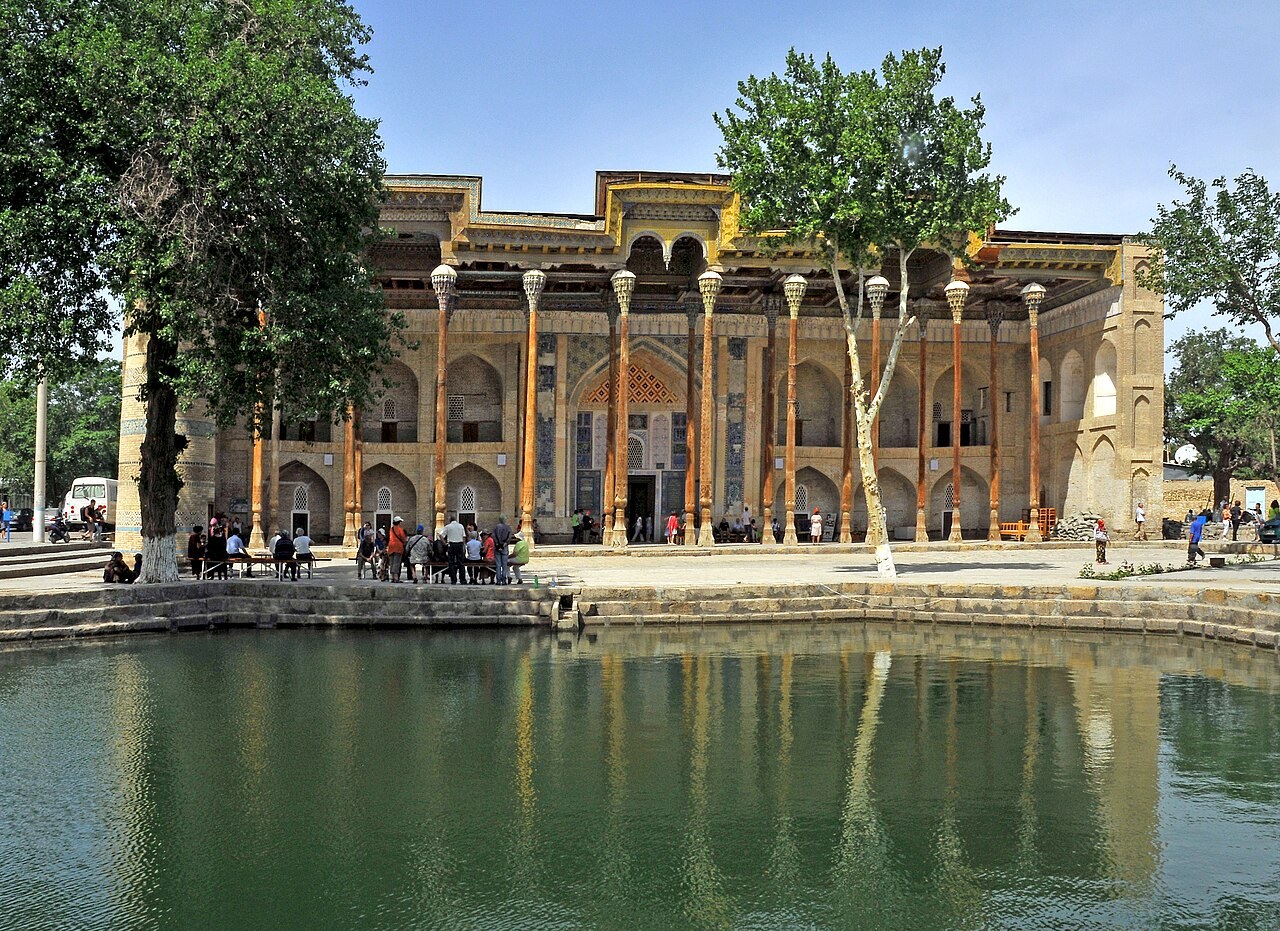
Lyabi Hauz ensemble

Photo: BeshevI · CC BY-SA 4.0. Display resized and cropped.

Lyabi Hauz ensemble

Address: The historic pool and surrounding buildings in central old Bukhara.

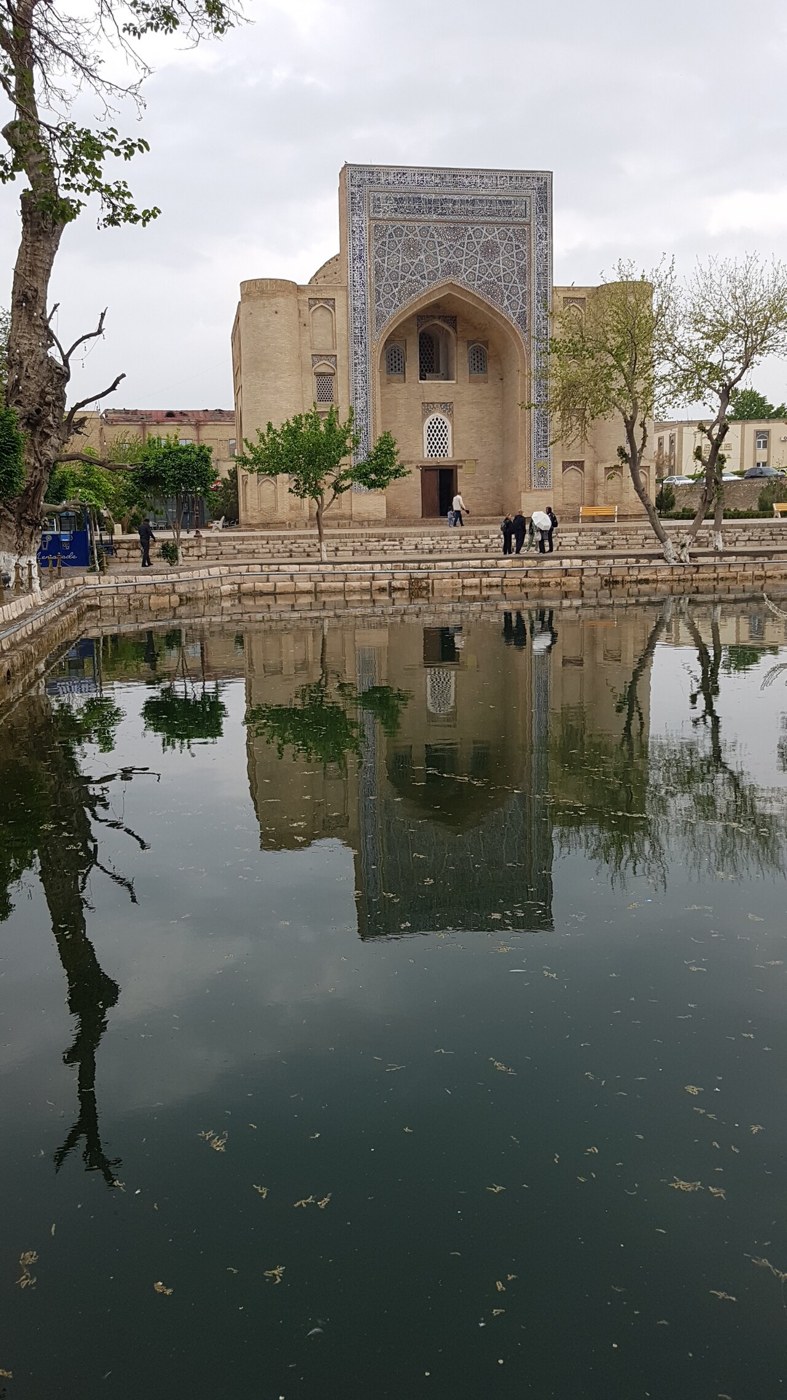
The pool, trees, khanqah and madrasahs make this a natural place to pause during an old-city walk. Look beyond the café terraces to the relationship between water and public space. Nadir Divan Begi’s decorated facade adds a vivid detail to the surrounding ensemble.

More photos and visiting notes
Samanid Mausoleum

Photo: Maksimsokolov · CC BY-SA 4.0. Display resized and cropped.

Samanid Mausoleum

Address: In Samanid Park, west of the main old-city monument circuit.

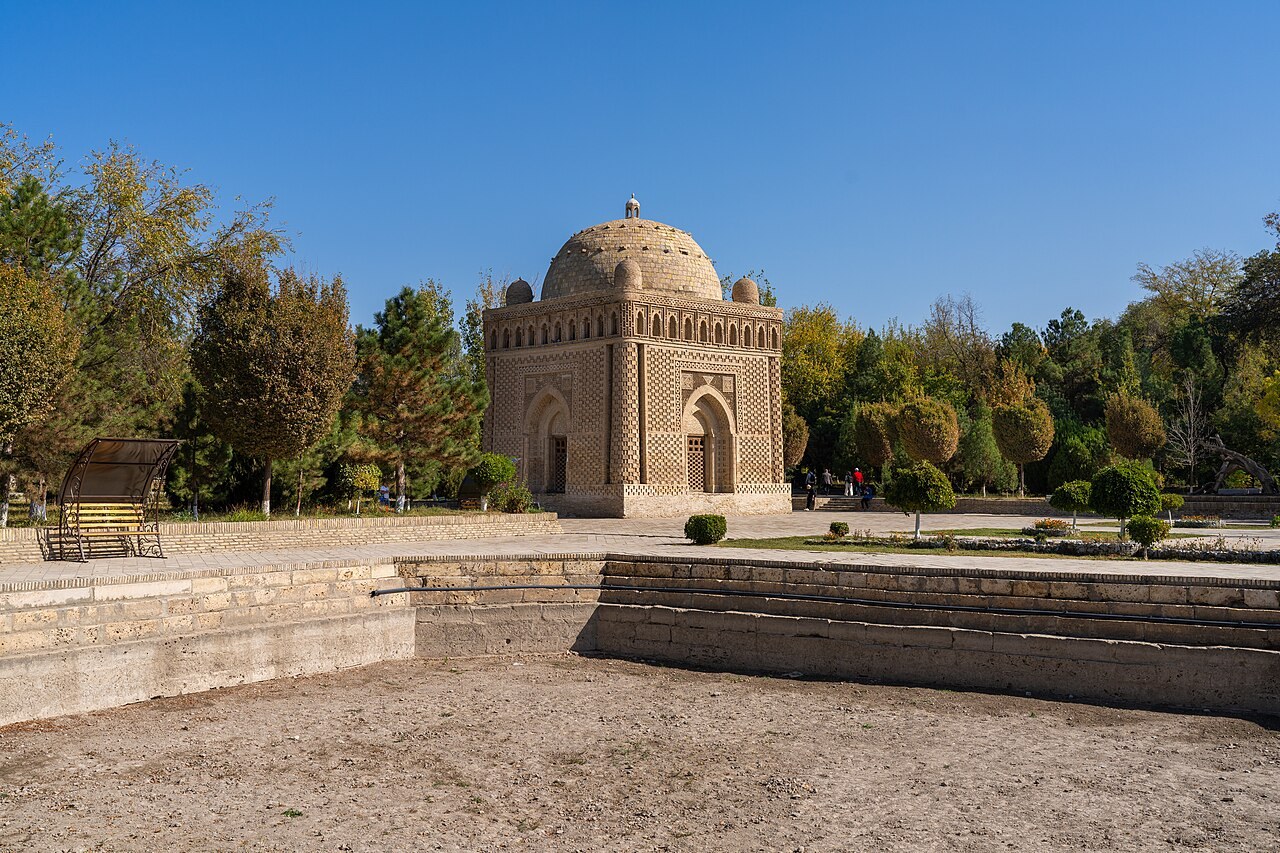
Patterned brickwork, depth and light provide the decoration here, rather than the blue tile associated with later monuments. The compact building is an important contrast to the city’s larger ensembles and a reason to explore beyond the central shopping route.

More photos and visiting notes
Bolo Hauz Mosque

Photo: LBM1948 · CC BY-SA 4.0. Display resized and cropped.

Bolo Hauz Mosque

Address: Across the Registan area from the Ark, beside its pool.

The timber-columned veranda and painted ceiling offer a particularly clear encounter with wood carving and decorative craft. The pool and exterior approach help explain why this small ensemble makes a satisfying companion to the citadel.

More photos and visiting notes
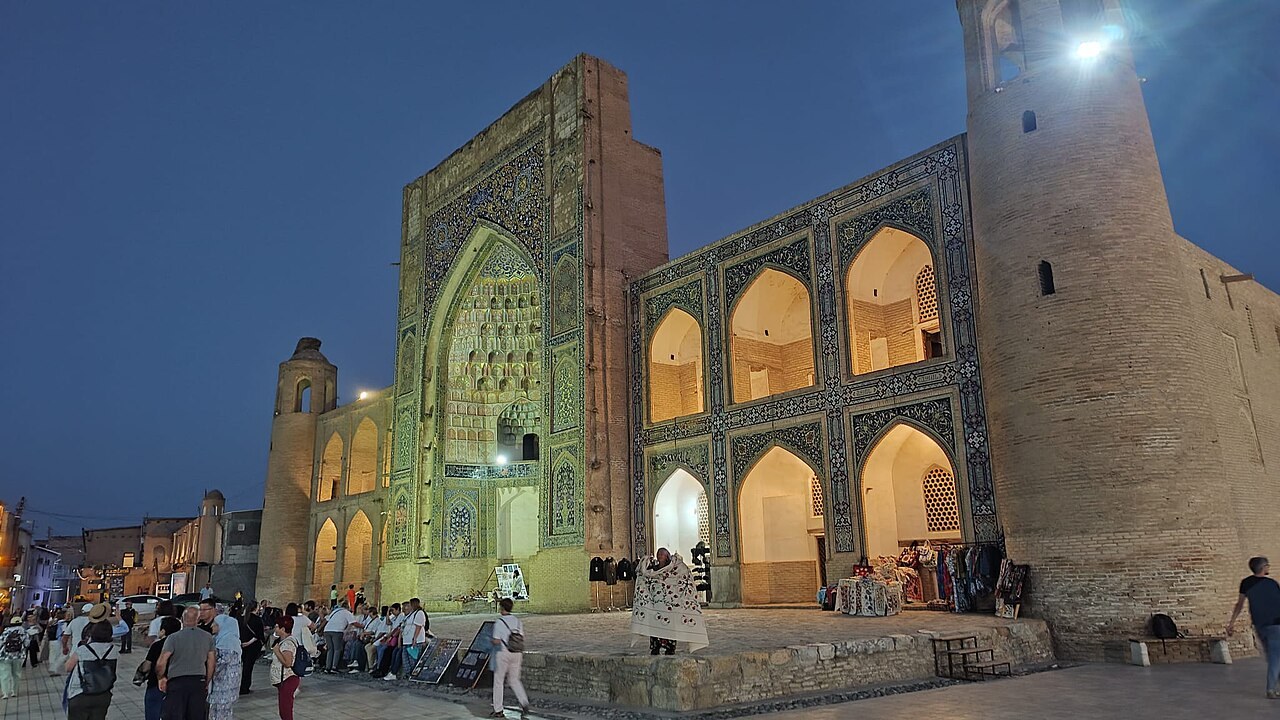
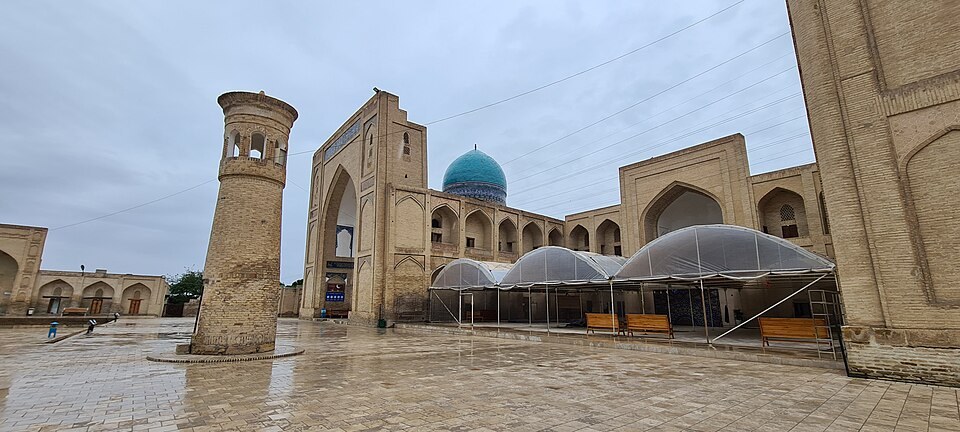
Ulugbek and Abdulaziz Khan madrasahs

Photo: silar · CC BY-SA 4.0. Display resized and cropped.

Ulugbek and Abdulaziz Khan madrasahs

Address: Opposite each other on the old-city route near the trading domes.

The facing buildings make a useful paired stop: compare their portals and the different treatment of ornament. The juxtaposition helps visitors see changes in design without turning the walk into a list of disconnected facades.

More photos and visiting notes
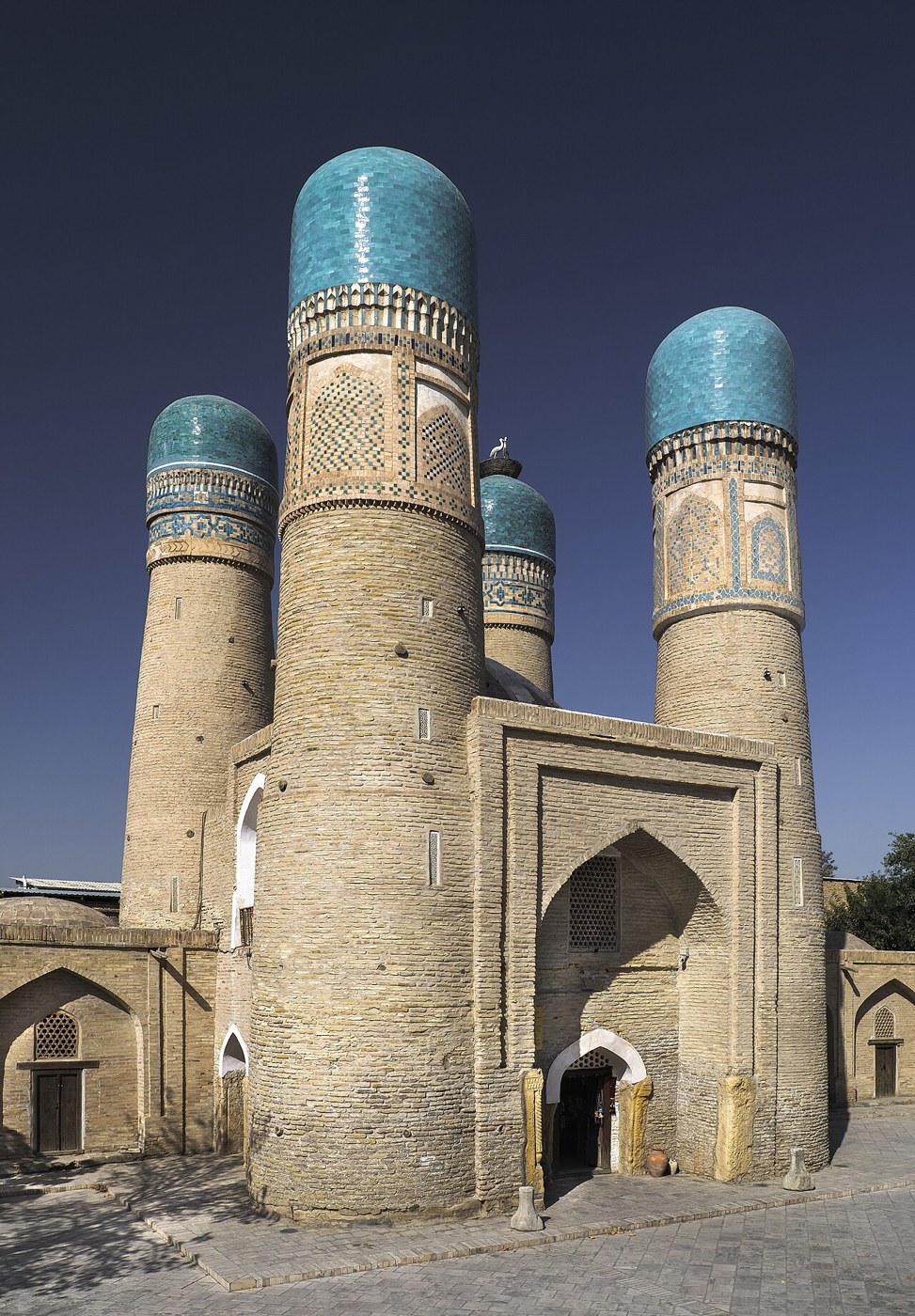
Chor Minor

Photo: Petar Milošević · CC BY-SA 4.0. Display resized and cropped.

Chor Minor

Address: A neighborhood east of the busiest historic-center walking route.

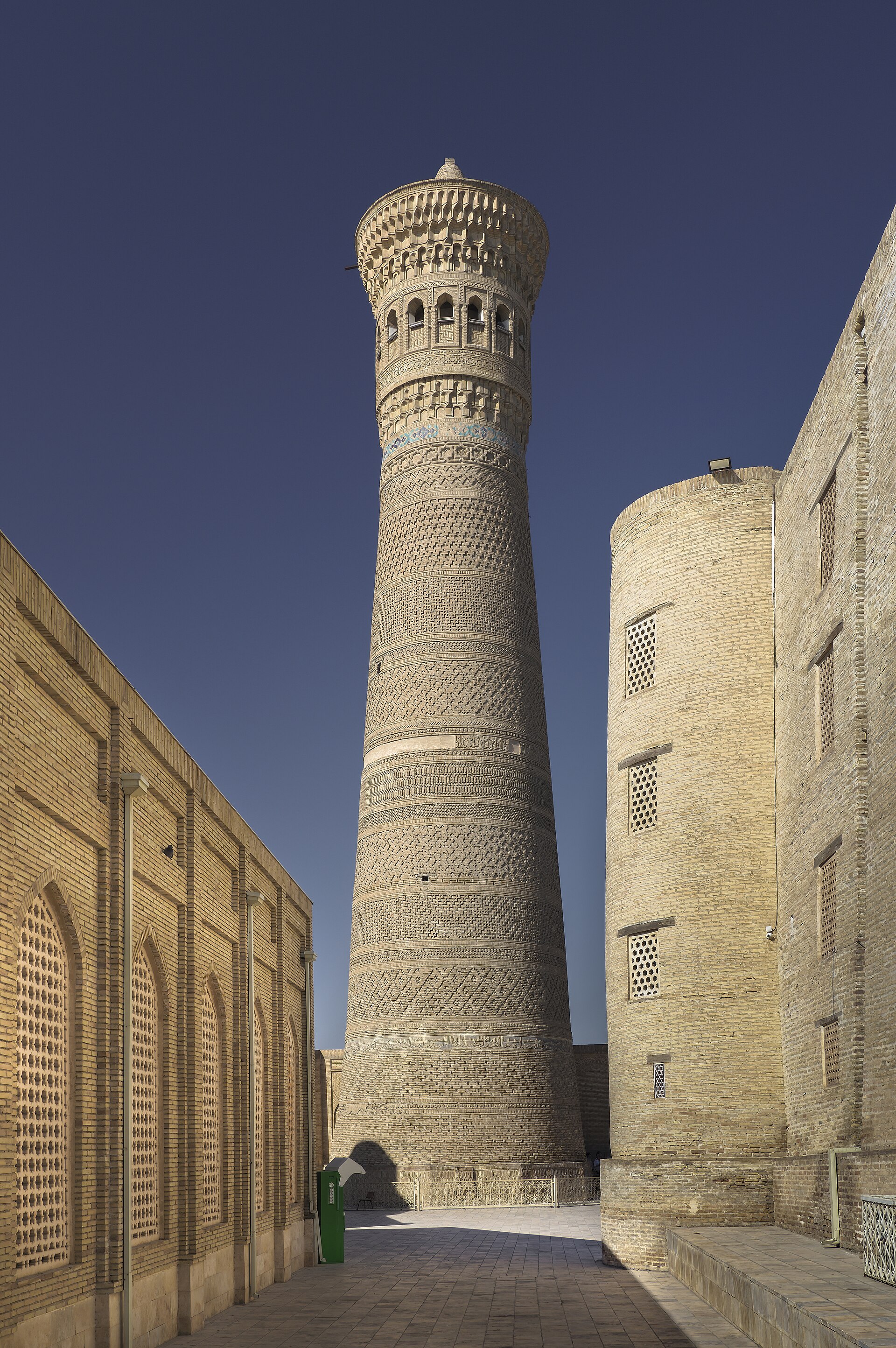
Four small towers give the surviving gateway its familiar silhouette. The building is a concise neighborhood detour rather than a large monument complex. Explain that the towers are architectural elements of the gateway, not four functioning mosque minarets.

More photos and visiting notes
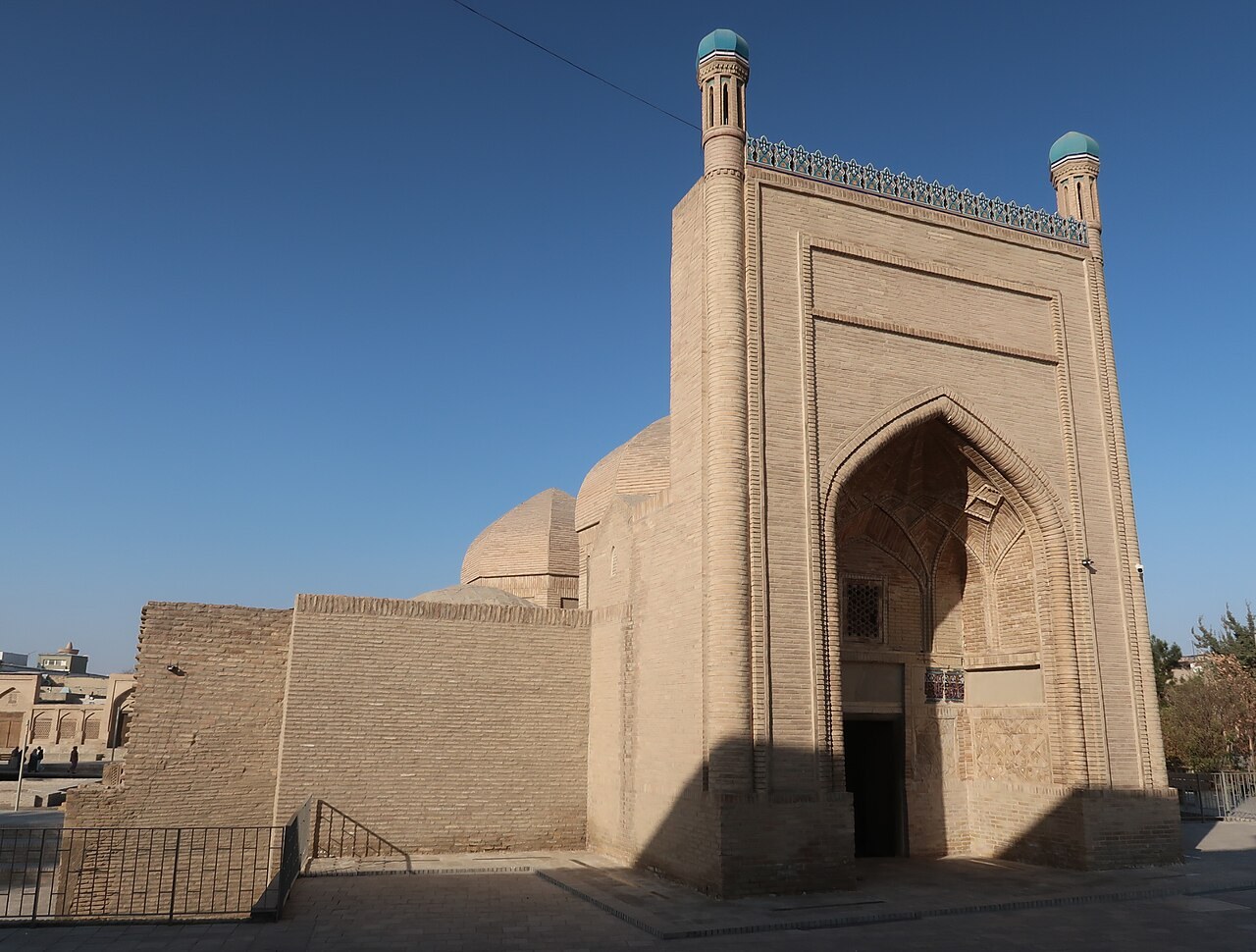
Magoki Attori Mosque

Photo: Kajus110 · CC0. Display resized and cropped.

Magoki Attori Mosque

Address: Between the trading-domes route and Lyabi Hauz, below the surrounding street level.

The recessed building and surviving decorated facade reveal how street levels and the city itself changed over time. Its carved terracotta and brick ornament reward a close look, especially after the more immediately colorful madrasahs.

More photos and visiting notes
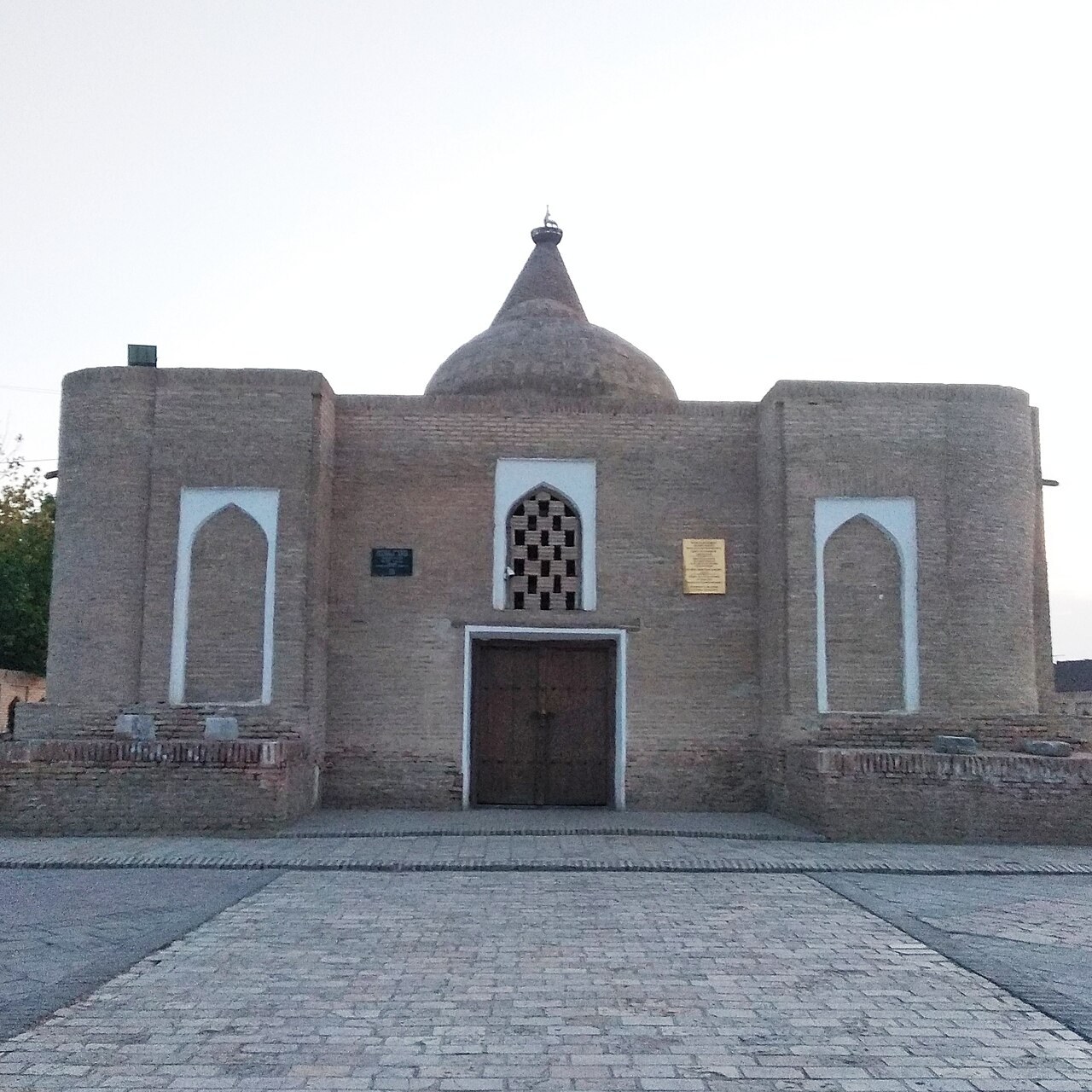
Chashma Ayub

Photo: MinaUktamova · CC BY 4.0. Display resized and cropped.

Chashma Ayub

Address: Near Samanid Park and the Samanid Mausoleum.

The mausoleum’s distinctive conical cap makes it recognizable among Bukhara’s domes. The site is associated with a sacred spring and the tradition of Job, adding a water-and-belief story to a visit in this part of the city.

More photos and visiting notes
Fayzulla Khodjaev House Museum

Photo: Jasper van Osnabrugge · CC BY 2.0. Display resized and cropped.

Fayzulla Khodjaev House Museum

Address: 70 A. Tukay Street, Gozion neighborhood, according to the travel directory.

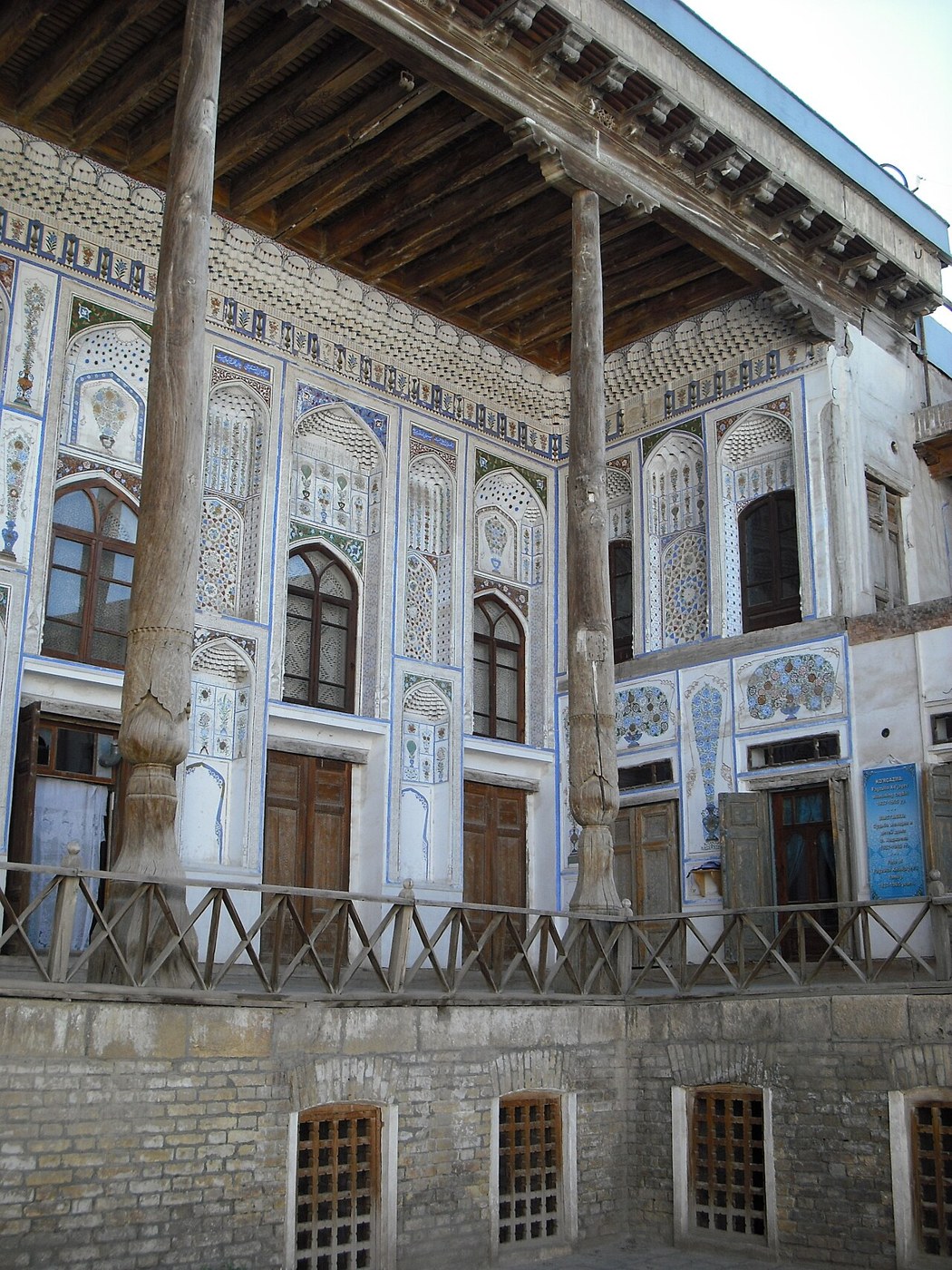
The merchant-house setting introduces domestic Bukhara through courtyards, carved timber and painted interiors. Exhibits connect the house with reformer and politician Fayzulla Khodjaev, allowing architecture and the difficult history of the twentieth century to be explored together.

More photos and visiting notes
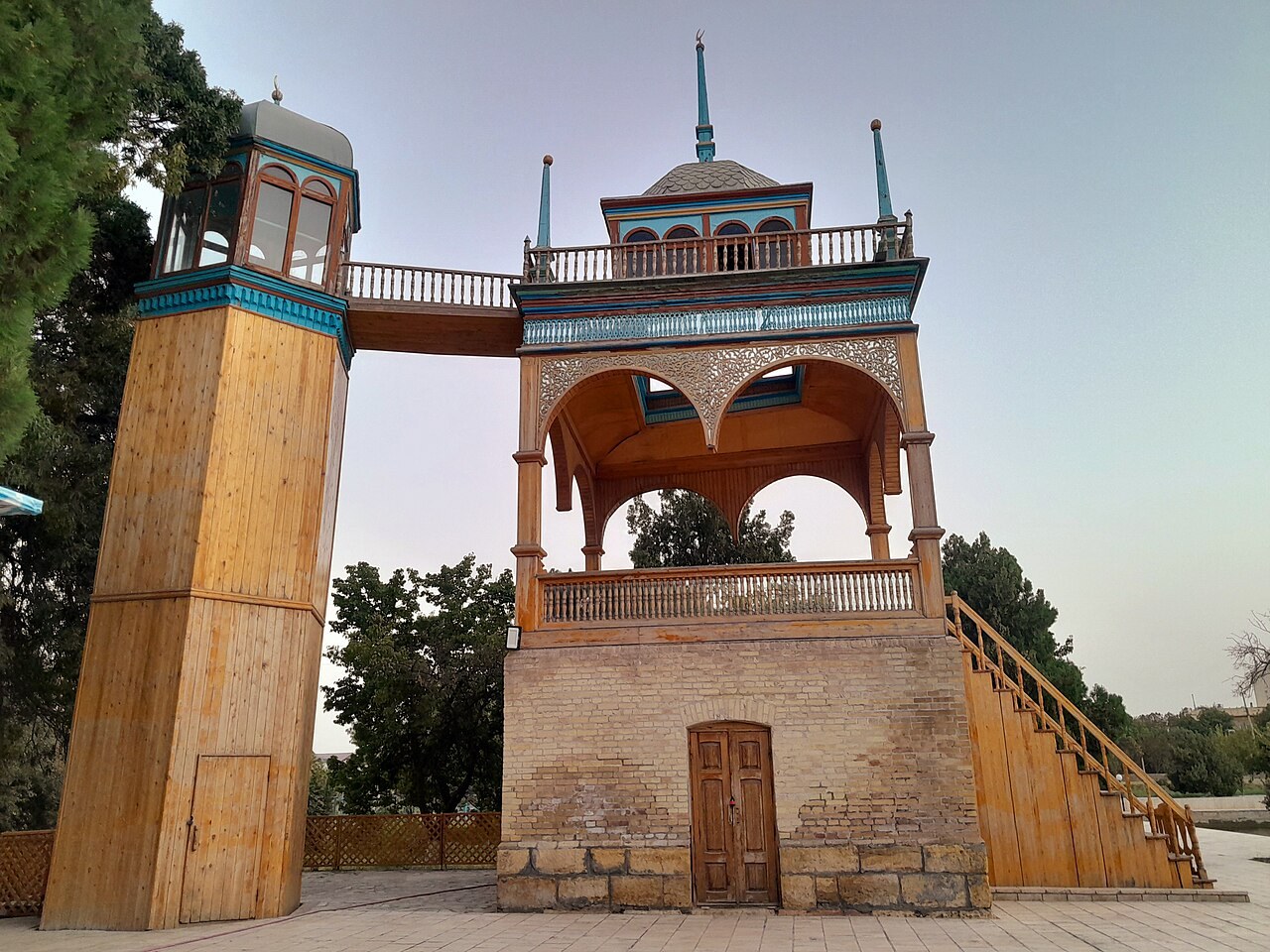
Sitorai Mohi Hosa

Photo: Miss Kamola · CC0. Display resized and cropped.

Sitorai Mohi Hosa

Address: The emir’s summer palace outside the old city, north of central Bukhara.

Reception rooms and palace grounds introduce a different architectural world from the medieval center. Local decorative work meets imported materials and European influences, with the White Hall making a particularly useful craft-focused highlight.

More photos and visiting notes
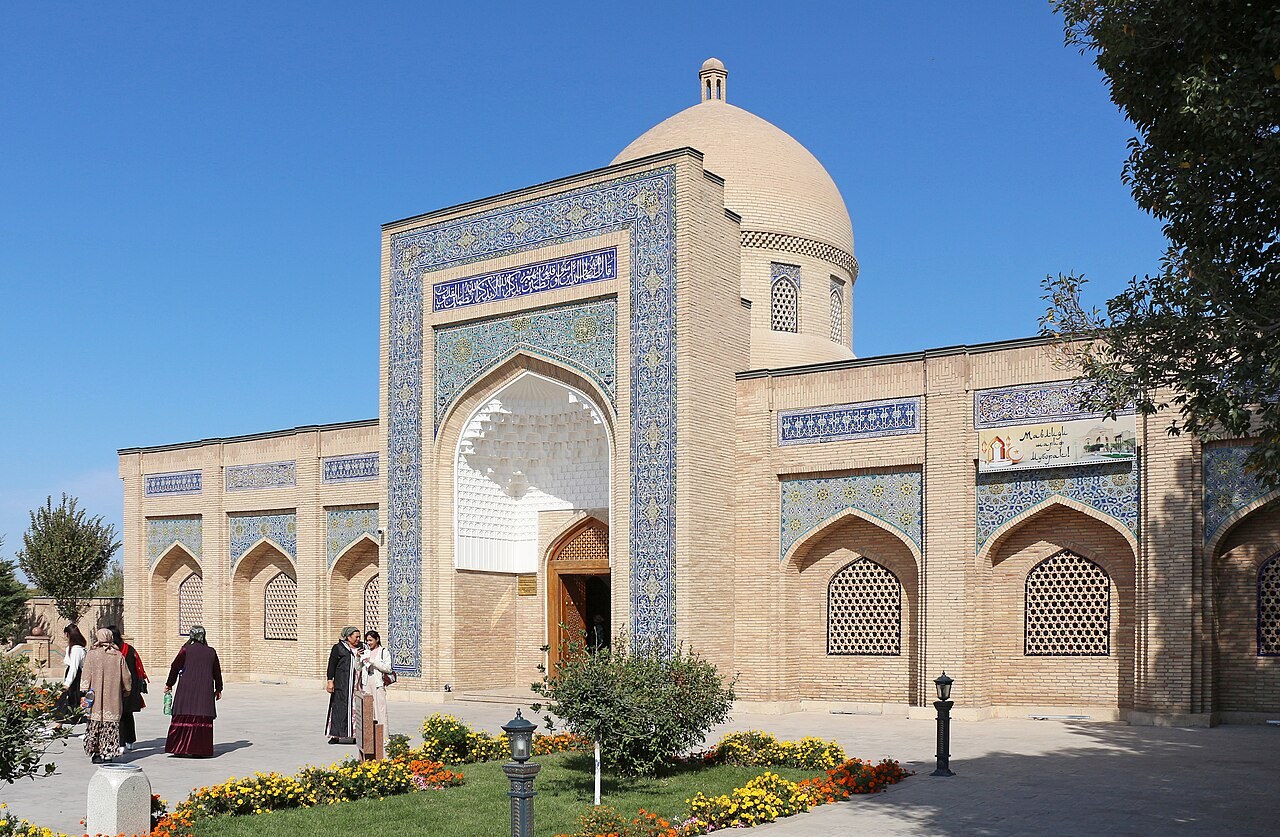
Bahauddin Naqshband memorial complex

Photo: Bgag · CC0. Display resized and cropped.

Bahauddin Naqshband memorial complex

Address: Qasri Orifon area outside central Bukhara.

An active pilgrimage complex associated with the Sufi teacher Bahauddin Naqshband offers a living religious encounter beyond the historic-center sightseeing circuit. The courtyards and devotional spaces need to be understood through their current use.

More photos and visiting notes
Chor Bakr necropolis

Photo: BeshevI · CC BY-SA 4.0. Display resized and cropped.

Chor Bakr necropolis

Address: Sumitan area west of Bukhara, outside the historic-center walk.

Courtyard tomb enclosures, passages and religious buildings form a different funerary landscape from Samarkand’s Shah-i-Zinda. The site is linked with the Juybar sheikhs and is still meaningful to pilgrims.

More photos and visiting notes