The Silk Road Just Got a Lot More Accessible
As of January 1, 2026, American travelers can visit Uzbekistan visa-free for up to 30 days — no e-visa application, no invitation letter, no embassy appointment. Just book your flight and go.
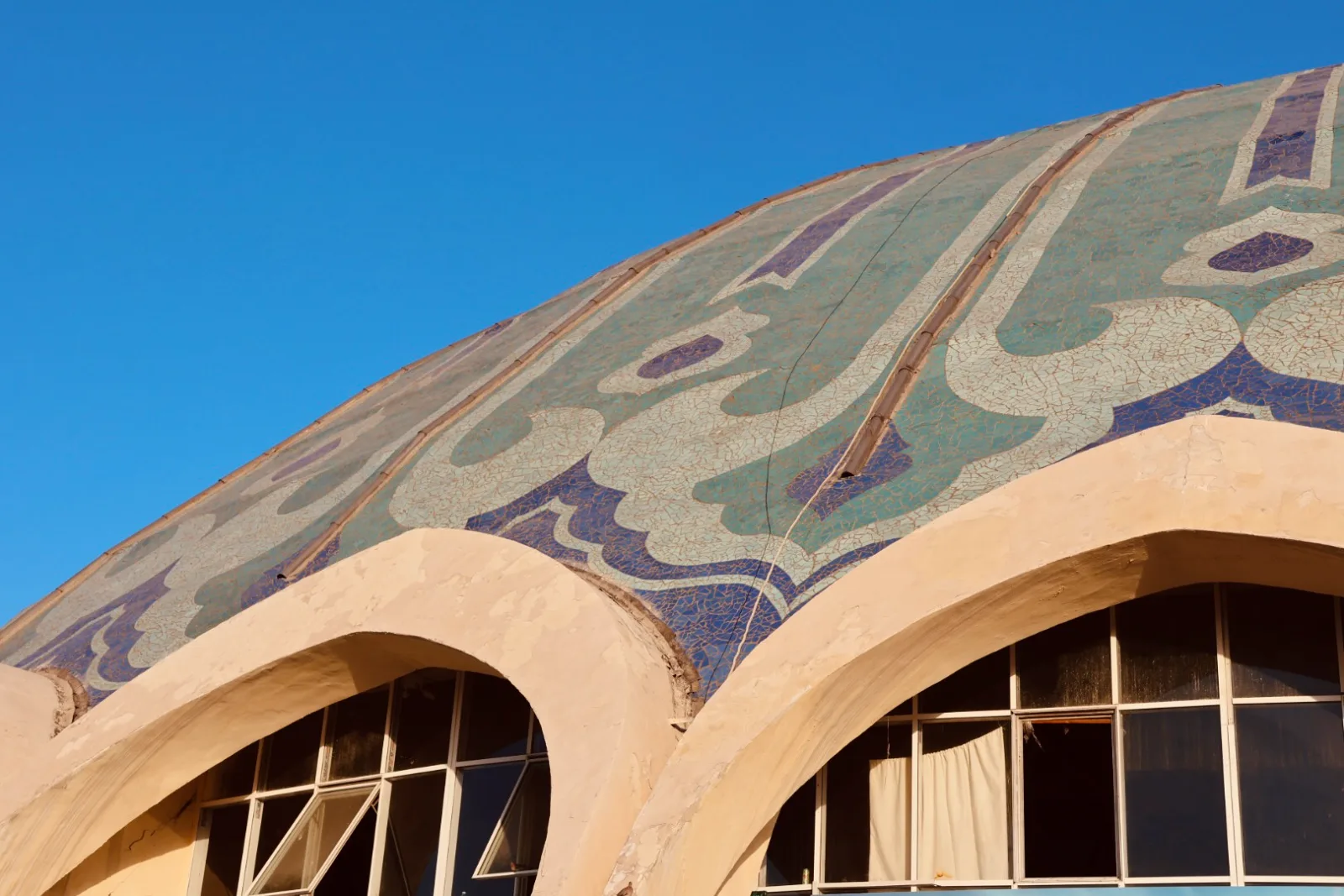
For a country that spent decades behind a labyrinth of Soviet-era bureaucracy, this is a seismic shift. And if you haven't been paying attention to Uzbekistan, now is the time. The ancient Silk Road cities of Samarkand, Bukhara, and Khiva are not only intact — they're thriving with a cultural renaissance that most of the Western world has yet to discover.
This guide is written from Tashkent, by people who live here. Not a travel blogger on a 10-day press trip — us, on the ground, every day. Here's what you actually need to know.
What the Visa-Free Policy Means in Practice
Under the new policy signed by President Mirziyoyev, U.S. passport holders can enter Uzbekistan without any pre-arranged visa for stays of up to 30 days. You'll receive a stamp at the border or airport — that's it.
A few practical details:
- Entry points: All major airports (Tashkent, Samarkand, Bukhara, Urgench) and land borders
- Stay duration: 30 days per visit
- Registration: Hotels register you automatically. If staying with a local host, they must register you at the local OVIR office within 3 days of arrival.
- Extensions: Can be extended at local migration offices for an additional 30 days
- Currency: Uzbekistani Som (UZS). ATMs are widely available in cities. Bring some USD as backup — it's the most widely accepted foreign currency for exchange.
When Is the Best Time to Go?
Spring (March–May) — Peak Season
The best time to visit. Temperatures are mild (15–25°C / 59–77°F), apricot trees bloom across the Fergana Valley, and the country comes alive for Navruz — the Persian New Year celebrated on March 21st with street festivals, communal plov cooking, and traditional games. Book accommodations early; spring fills up fast.
Autumn (September–November) — A Close Second
Harvest season. Markets overflow with pomegranates, figs, quinces, and grapes. The heat has broken, the light turns golden, and the ancient monuments photograph beautifully. Equally popular with European travelers.
Summer (June–August) — For the Hardy
Temperatures in Tashkent and the southern cities regularly hit 40°C (104°F). Not impossible — just plan outdoor sightseeing for mornings and evenings. The upside: fewer tourists and lower prices on everything.
Winter (December–February) — Unexpectedly Rewarding
Uzbekistan in winter is dramatically underrated. Snow-dusted minarets, steaming bowls of lagman noodle soup, and bazaars that are uncrowded and deeply atmospheric. Plus — ski season in the Chimgan mountains is genuinely excellent.
Where to Go: The Essential Cities
Tashkent — Your Gateway and a City Worth Staying For
Most visitors treat Tashkent as a layover. That's a mistake. The capital is a fascinating collision of Soviet modernism, Islamic architecture, and a new generation of creative energy. The metro system — built in the 1970s and still one of the most ornate in the world — is worth riding just for the art. Chorsu Bazaar is one of Central Asia's great market experiences: spice mountains, fresh bread emerging from clay tandirs, and traders who have worked the same stalls for generations.
Samarkand — The One Everyone Comes For
When people think Silk Road, they think Samarkand. The Registan — three massive madrassas arranged around a central square, covered in turquoise tilework — is one of the most spectacular architectural ensembles on earth. Gur-e-Amir holds the tomb of Timur (Tamerlane). Shah-i-Zinda is a necropolis of tilework so intricate it feels impossible. Plan at least two full days.
Bukhara — Living History
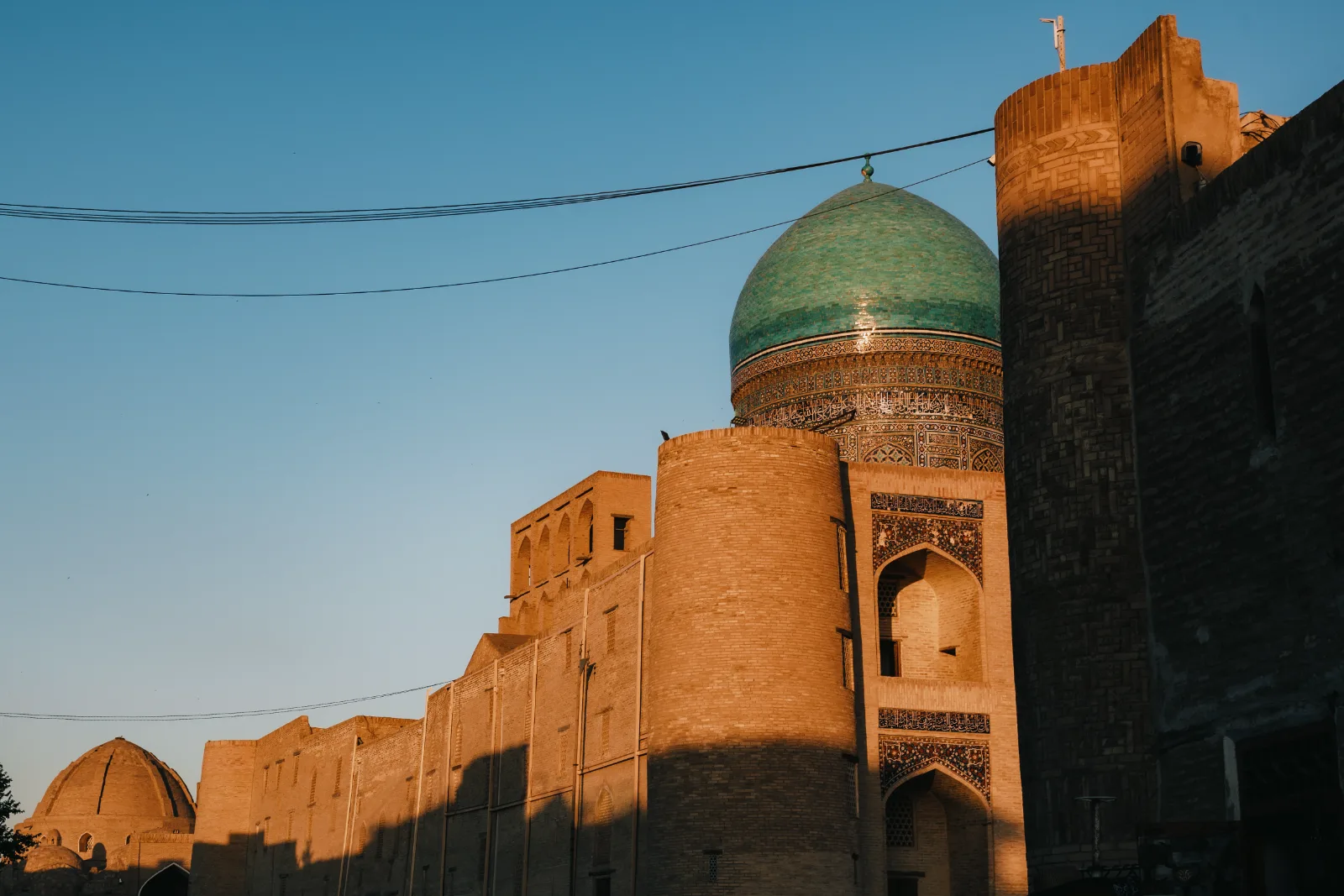
Unlike many UNESCO World Heritage sites that feel like outdoor museums, Bukhara's old city is still inhabited. Families live in houses that have stood for 500 years. The Ark Fortress, the Kalon Minaret, the Jewish quarter — all within walking distance of each other. Bukhara is smaller than Samarkand and, in many ways, more intimate and more affecting.
Khiva — The Desert Fortress
The inner city of Khiva (Itchan Kala) is entirely enclosed within ancient walls. Walk through the main gate and you've stepped into the 18th century. It can feel slightly stage-set — it's almost too perfectly preserved — but at dawn or dusk, with the blue-tiled minarets catching the light and the tourists gone, it's genuinely magical.
What to Actually Do: Beyond the Monuments
The monuments are extraordinary. But Uzbekistan's real richness is in its living culture — and that requires slowing down and going deeper than the standard itinerary.
Take a Cooking Class
Plov — the national dish of slow-cooked rice with lamb, carrots, and cumin — is not something you learn from a recipe. It's a technique passed from father to son over generations, and cooking it correctly is a genuine skill. A hands-on plov cooking class in a Tashkent courtyard, using a traditional kazan (cast iron cauldron) over open flame, is one of the most memorable things you can do in Uzbekistan. You'll eat what you make. You'll learn why Uzbeks take plov seriously enough to have a national committee for it.
Visit a Working Artisan Workshop
Uzbekistan's craft traditions — silk ikat weaving in Margilan, blue-and-white ceramics in Rishtan, wood carving in Kokand, suzani embroidery across the Fergana Valley — are not tourist reconstructions. These are living industries with masters who have spent lifetimes perfecting their craft. Watching a weaver throw a silk ikat on a loom, or shaping a lump of clay into a bowl that will be glazed with that unmistakable Rishtan cobalt blue, connects you to a lineage that stretches back 2,000 years.
Walk Chorsu Bazaar — Slowly
Allow three hours minimum. Come hungry. The bread section alone — dozens of varieties of non flatbread, still warm from the tandir — will stop you in your tracks. The spice sellers will invite you to smell everything. The dried fruit is extraordinary: figs, apricots, mulberries, and a dozen varieties of raisin you've never encountered. Don't rush it.
Practical Tips from People Who Live Here
- Learn five words of Uzbek. "Rahmat" (thank you), "salom" (hello), "yaxshi" (good/fine) — locals respond warmly and the effect is disproportionate to the effort.
- Carry small bills. Many vendors and small restaurants don't carry change for large UZS notes. 1,000–10,000 som notes are your friends.
- Dress modestly at religious sites. Women should cover shoulders and knees; headscarves are appreciated but not required for tourists at most sites.
- Negotiate in bazaars — but gently. A 10–15% reduction is normal and expected. Walking away over small amounts is considered rude.
- The hospitality is real. If someone invites you for tea, they mean it. Don't treat it as a sales tactic — it usually isn't.
- Book accommodations in riads (traditional courtyard guesthouses) when possible. They are usually cheaper than international hotels, far more atmospheric, and the hosts are typically an invaluable source of local knowledge.
Why Now Is the Right Time
Uzbekistan is in a remarkable window. The infrastructure has improved dramatically over the past five years — flights, roads, hotels, payment systems — but the country hasn't yet been overrun with the mass tourism that has transformed other Silk Road destinations. The artisans are still in their workshops. The bazaars are still for locals as much as tourists. The hospitality is still genuine, not performative.
That window will close. These things always do. The visa-free access for Americans means the word is getting out, and the crowds will follow. The best time to go is always before everyone else figures it out.
That time is now. For more practical travel information, see Lonely Planet's Uzbekistan guide or the official Uzbekistan tourism portal.
About the author
CraftnCulture
The CraftnCulture editorial team — Tashkent-based cultural tourism specialists covering Uzbekistan travel, artisan crafts, and Silk Road heritage.