Tashkent's UNESCO Landmarks: Ten Modernist Buildings You Can Actually Visit
Ten buildings. One UNESCO inscription, four weeks old when I finally saw the paperwork. On 26 July 2026, at the 48th session in Busan, the World Heritage Committee added "Modernity and Tradition in Central Asia" to the list — Ref. 1766, criterion (iv), and the shorthand everyone in Tashkent now uses is simpler: the modernist buildings finally got their plaque.
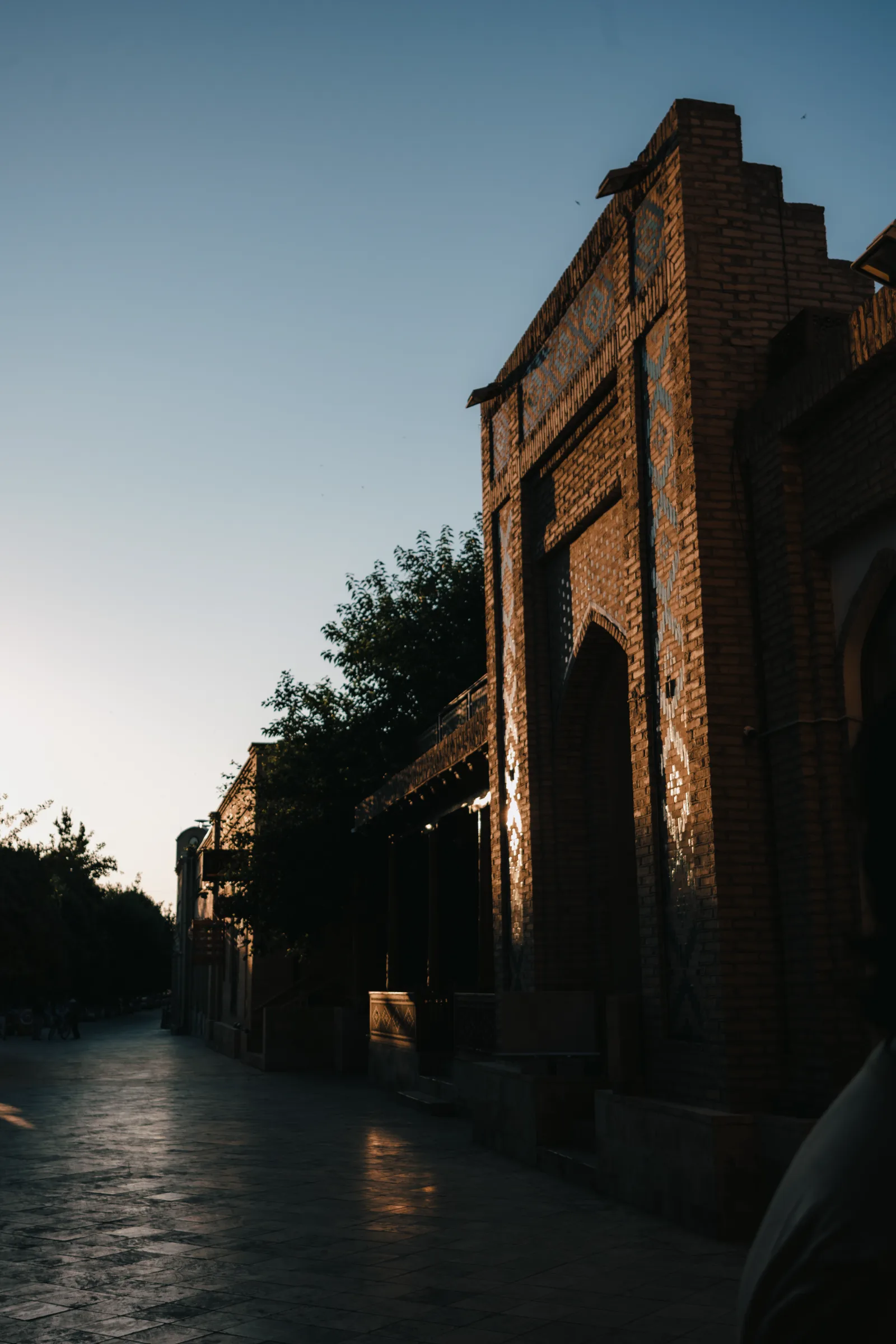
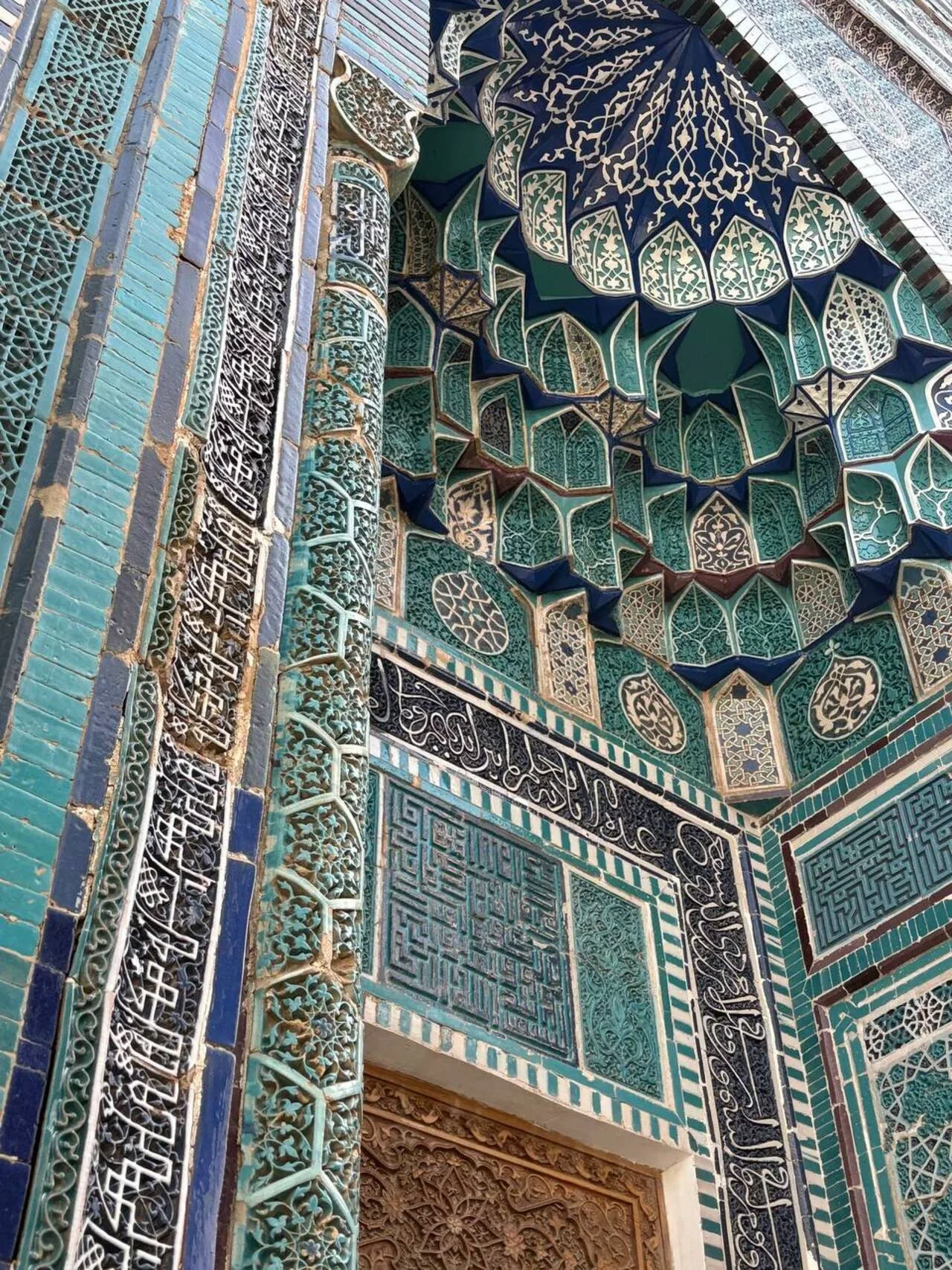
I'd walked past half of these buildings for years without knowing they were anything more than Soviet leftovers. That's the honest starting point for anyone researching a cultural craft tour Uzbekistan small group itinerary that includes Tashkent: this city's architecture doesn't announce itself. Samarkand's turquoise domes photograph themselves. Tashkent's concrete honeycombs and sun-diffusing lattices need someone to point at them and explain why a country rebuilding from a 1966 earthquake chose these specific forms.
How I Got Here
I'd booked CraftNCulture's Full Tashkent Experience mostly for the workshop component — I wanted my hands on clay again, not another walking tour of buildings I'd assumed were just administrative. The modernist angle only became the point of the day once our guide mentioned, almost as an aside, that three stops on the route were on a shortlist for World Heritage status. That was months before the inscription went through. When it did, in July, I went back with a list of all ten components and worked through as many as a single day allows.
Group size mattered here in a way I hadn't expected from an architecture stop. Eight of us fit inside the Chorsu Market's domed interior without blocking the flow of actual shoppers buying spices and bread. A tour bus's worth of people would have turned the market into a photo bottleneck, and the vendors — who have opinions about tourists standing in their aisles — would have let us know about it.
The Ten, and What's Actually Reachable
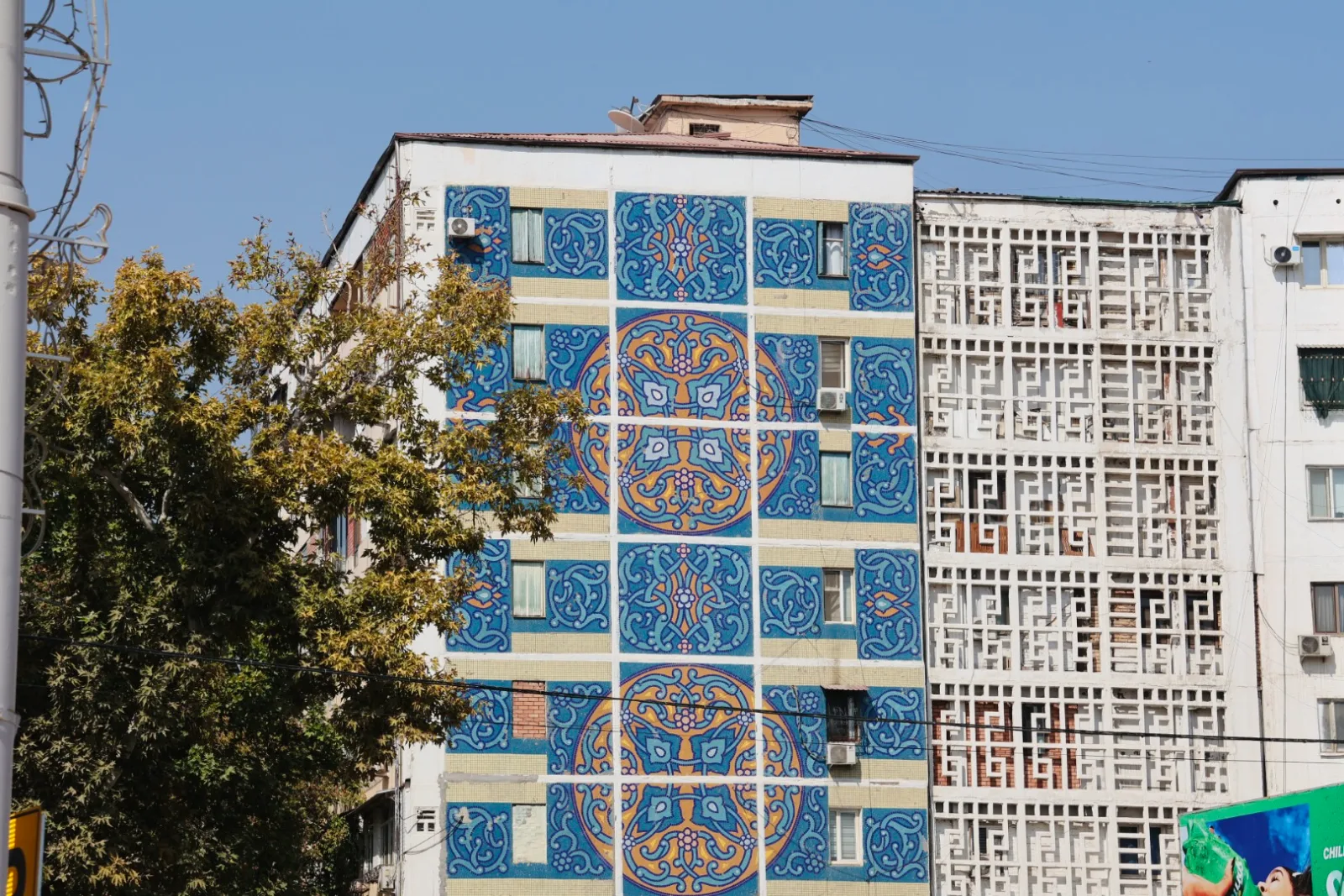
The full inscription covers ten component sites: the Zhemchug (Pearl) residential building, the Sun Heliocomplex out in Parkent, the State Museum of History (the old Lenin Museum, and yes, people still call it that), the Peoples' Friendship Palace, the State Museum of Arts, the State Circus, the Central Exhibition Hall of the Academy of Arts, the Alisher Navoi Cinema Palace, Chorsu Market, and Kosmonavtlar metro station.
Only one of those is not a realistic in-city stop. The Sun Heliocomplex sits roughly 45 kilometers outside Tashkent in Parkent — a solar furnace built to test materials at temperatures a normal oven can't reach, and worth a dedicated day trip, not a footnote on a city walk. The other nine cluster tightly enough that a guide who knows the routing can move a group between four or five of them before lunch.
Kosmonavtlar station is the one people underestimate. It's a metro stop, not a museum, so visitors treat it as a five-minute photo op — round portholes on the ceiling, cosmonaut portraits along the walls, the space-race optimism baked into concrete decades before anyone thought to protect it. CraftNCulture's 4-Hour Food Tour & Metro Journey with a Local Guide actually routes through it deliberately, which solved a problem I hadn't known I had: without someone explaining which portrait is Gagarin and which is a lesser-known Soviet cosmonaut, you just see decorative tile.
What It Actually Felt Like
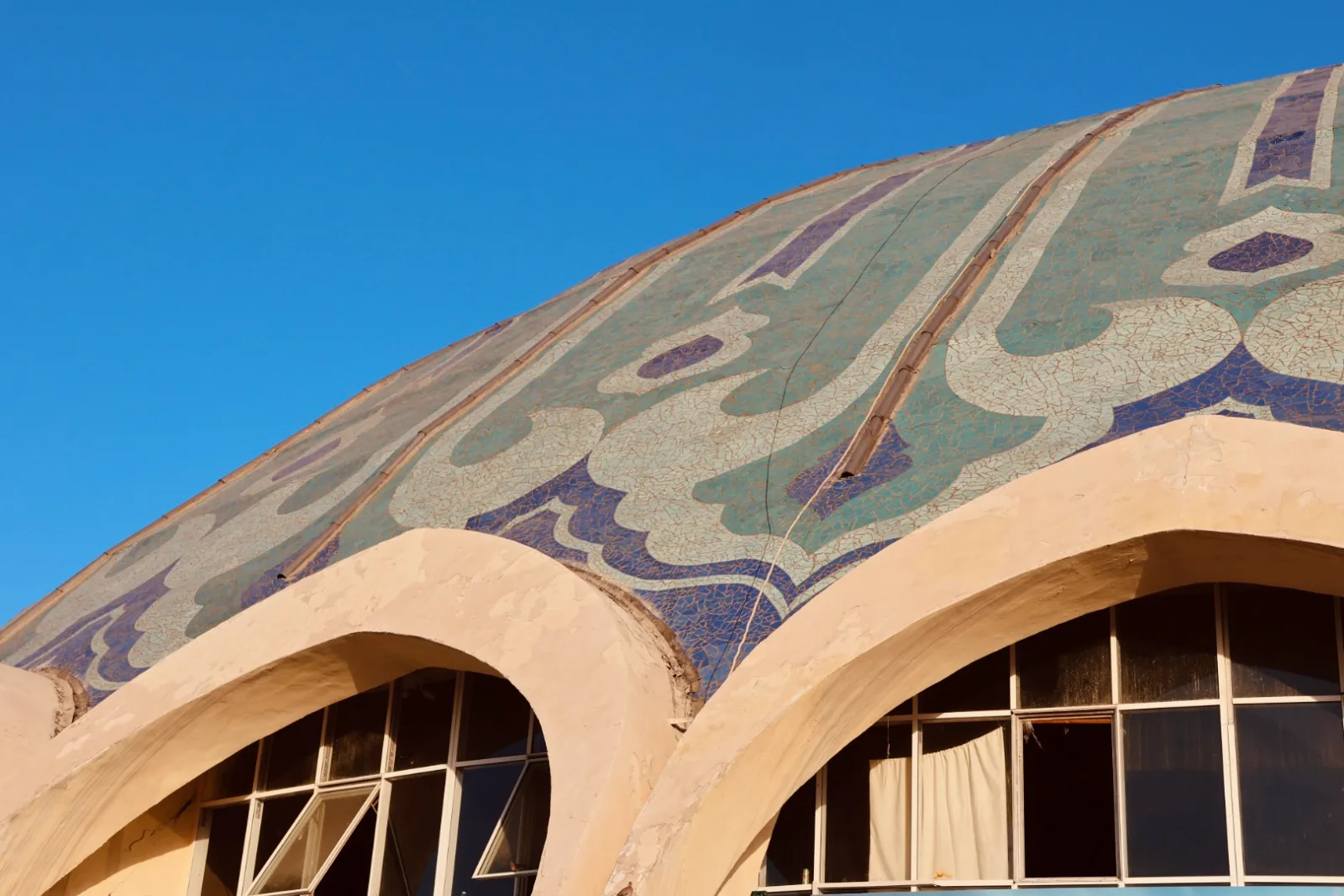
I expected the State Circus to be the least interesting stop — a circular building is a circular building. It wasn't. The scale of it from outside, a flattened dome that reads more like a spacecraft than a performance venue, made more sense once our guide explained the modernist movement's obsession with breaking from the ornate Timurid vocabulary everyone associates with Uzbekistan. These architects were arguing with Samarkand's domes, in a way, insisting a new country needed a new visual language.
Standing inside the Peoples' Friendship Palace's foyer, under a lattice ceiling designed to diffuse harsh light without air conditioning, was the first time the phrase "climate-responsive design" stopped sounding like a marketing term. The building is genuinely cooler than the street outside on a July afternoon, and it does that with geometry, not machinery. That's a detail no photograph communicates — you have to stand under it.
Not every stop rewarded the walk. The Zhemchug residential building, up close, is still an apartment block with people's laundry on the balconies — a UNESCO plaque doesn't erase the fact that families live there and did not sign up to be a tourist stop. I felt more like an intruder than a visitor at that one, and I'd tell anyone booking a similar route to treat it as a look-from-the-street site, not a lingering one.
Why the Small Group Size Actually Mattered
A guide leading twenty people through Chorsu Market or the Kosmonavtlar platform is managing crowd control, not explaining architecture. In our group of eight, the guide could stop mid-sentence when someone asked why the circus roof doesn't have visible support columns, walk back ten meters to show the load-bearing trick, and still make the next stop on schedule. That kind of detour doesn't happen with forty people on a schedule built around bus timing.
What You Leave With
I left with photographs that mean more now that I know what I was looking at, a genuine argument for visiting Tashkent as more than a layover before Samarkand and Bukhara, and the slightly deflating knowledge that a plaque from Busan doesn't make a building interesting — it just gets people to finally look at what was always there. The inscription is four weeks old as of this writing. The buildings have been standing, mostly ignored, for sixty years.
CraftNCulture's Full Tashkent Experience (Culture, Food & Hands-On Workshop, $110, roughly 7 hours) and the 4-Hour Food Tour & Metro Journey with a Local Guide ($85) between them cover most of the reachable nine — book the food-and-metro route specifically if Kosmonavtlar station and Chorsu Market are the priority, and keep groups small; this is architecture that gets lost in a crowd.
About the author
CraftnCulture
The CraftnCulture editorial team — Tashkent-based cultural tourism specialists covering Uzbekistan travel, artisan crafts, and Silk Road heritage.