The Cotton Fields No One Tells You About
The bus from Samarkand rattled for four hours through fields I couldn't name at first. Not wheat. Not rice. Cotton. Endless white against brown earth, and not a tour group in sight.
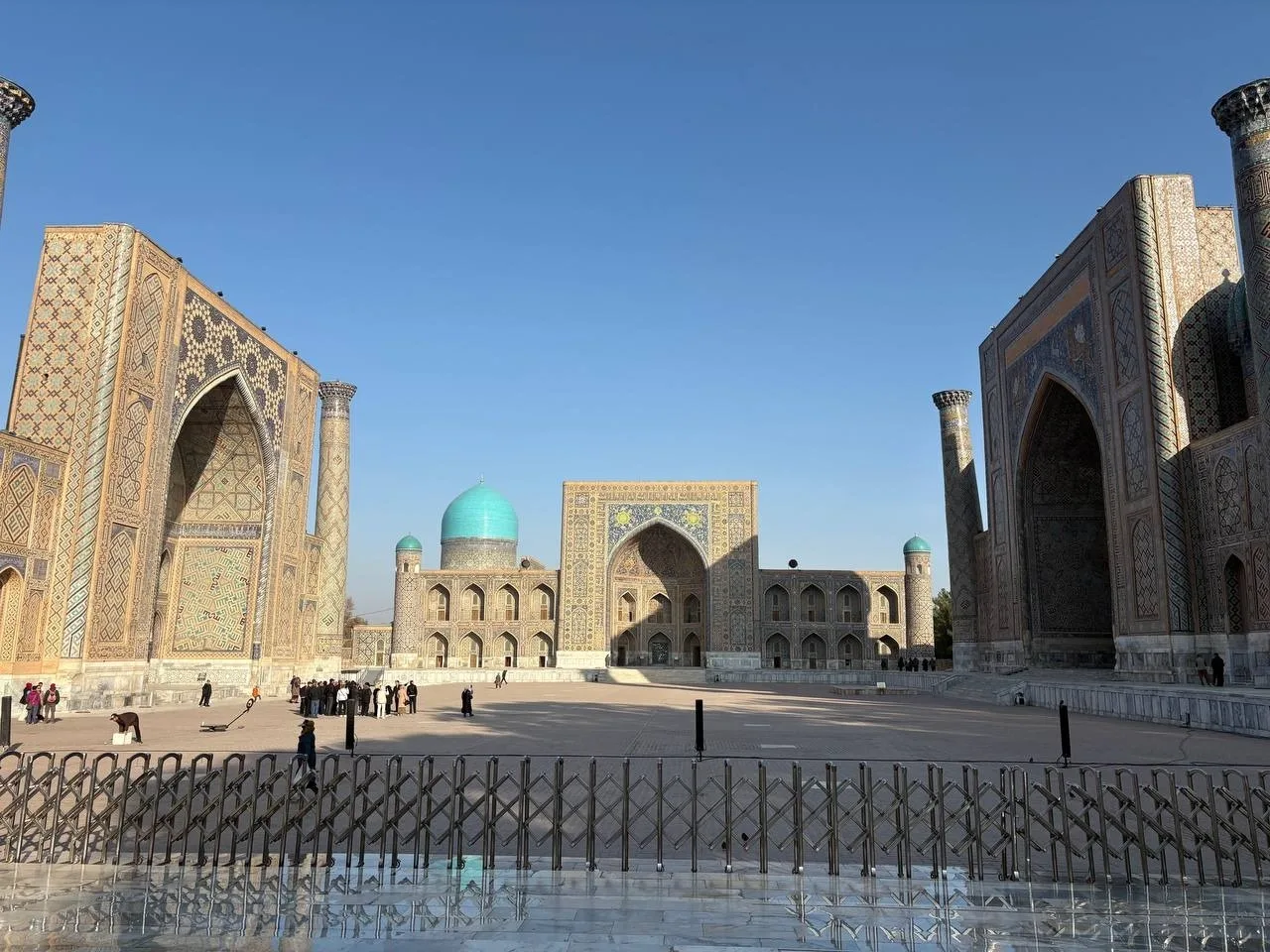
I came to Kashkadarya Province by accident - a missed connection in Qarshi turned into three days I wasn't planning. No UNESCO sites here. No blue domes you've seen on Instagram. Just cotton country, and the people who've built their lives around it.
Kashkadarya Province doesn't appear in travel guides much. It's mentioned as a transit point between Samarkand and Termez, or as "cotton-growing region" in economic reports. What the reports don't say: the cotton here isn't just agriculture. It's the foundation of a surviving artisan economy that most tours skip entirely.
The Craft Itself
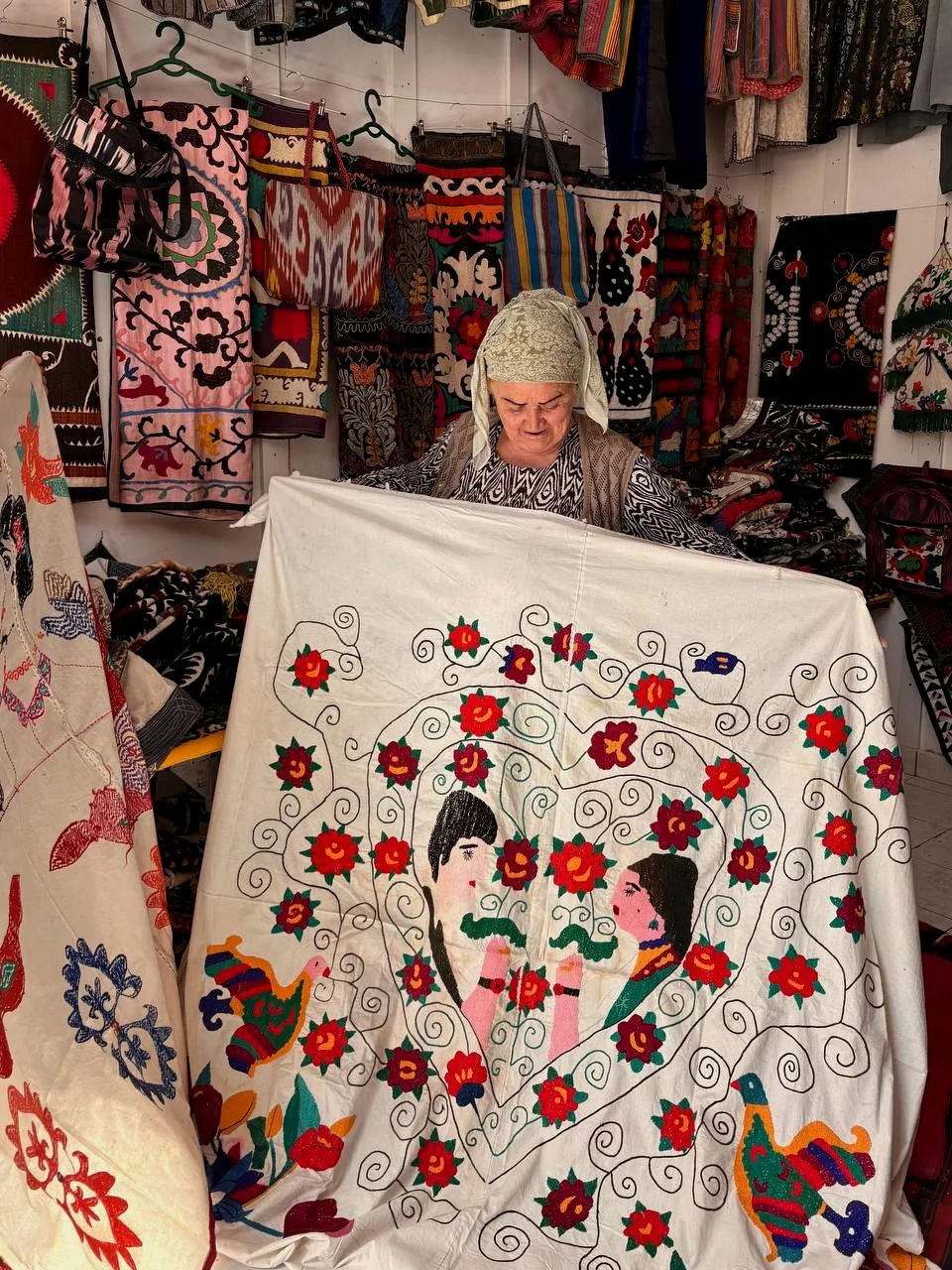
Kashkadarya's artisan economy isn't separate from the cotton - it's built on it. The textile workshops in Guzar and Kitab don't import their thread. They spin it themselves, from raw fiber to finished suzani in the same compound.
Mahbuba, a third-generation embroiderer in Kitab, walked me through her entire supply chain in twenty minutes. The cotton came from her brother's farm, forty kilometers south. The natural dyes - walnut hull, pomegranate rind, indigo - came from her neighbor's garden. The frame she stretched the fabric on was cedar, cut by her husband.
This isn't romantic primitivism. It's economic reality in a region where supply-chain logistics still favor local over imported. You don't truck in synthetic thread when your cousin grows the raw material.
What It Actually Felt Like
The workshop wasn't picturesque. Concrete floor, fluorescent lights, the persistent smell of dye chemicals mixing with dust from raw cotton. Mahbuba's hands were stained dark brown to the wrist - walnut doesn't wash off easily, she said, and laughed when I asked if she minded. Why would she mind? The stains mean she's working.
She didn't teach me embroidery in two hours. She taught me to thread a needle with cotton thread thicker than anything I'd used before, and to tie off a knot that wouldn't slip when pulled. The thread caught on calluses I didn't know I had. I managed four stitches. They were crooked.
She corrected the tension on the first one without saying anything - just reached over and pulled the thread tighter, then gestured for me to continue. The second stitch I pulled too tight myself. The third was better. The fourth looked like the first again.
What stayed with me wasn't the suzani (she finished it herself after I left, and mailed it to my hotel in Tashkent). It was her matter-of-fact explanation of why she still does this: the cotton economy here collapsed after the Soviet breakup, but the skills didn't. People kept making thread, kept dyeing it, kept stitching, because the knowledge was already embedded in their hands, not in any market. Now tourism's trickling in, slowly, and she's teaching again - not because it pays well yet, but because someone finally wants to learn.
Why Kashkadarya, Not Samarkand
Samarkand's artisans are professionals. They're good at what they do, and they're used to tourists. Kashkadarya's artisans are survivors. They kept their crafts alive through an economic collapse, not because it was profitable, but because it was what they knew.
The difference shows in how they teach. Samarkand workshops are polished, efficient, designed for groups. Kashkadarya workshops are someone's actual workspace, and you're sitting where they usually sit. The craft is the same. The context is not.
What You Leave With
I left with a suzani I didn't finish, four crooked stitches visible in the corner Mahbuba didn't unpick. She could have redone them - it would have taken her thirty seconds - but she left them in deliberately.
I left with walnut-stained fingers that took a week to fade, and the odd muscle ache between my thumb and forefinger from holding tension on thread for three hours. I left with a specific memory of the weight of cotton thread between my fingers, thicker and rougher than I expected, nothing like the fine embroidery floss I'd used before.
I left wanting to go back, not to see more, but to sit with Mahbuba again and learn the next step I didn't have time for. Not because the experience was romantic. Because the knowledge was real, and she was willing to share it, and two hours wasn't enough.
About the author
CraftnCulture
The CraftnCulture editorial team — Tashkent-based cultural tourism specialists covering Uzbekistan travel, artisan crafts, and Silk Road heritage.