Baking Bread in a Tandir: Uzbek Culinary Heritage
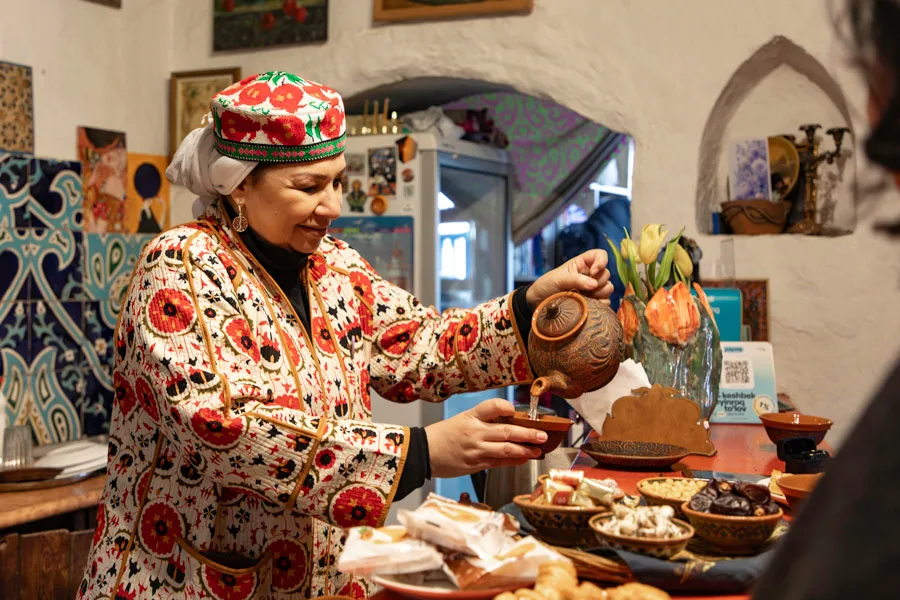
The first time I watched an Uzbek baker slap a circle of dough onto the inside wall of a blazing tandir oven, I held my breath. The heat radiating from that clay pit could singe your eyebrows from three feet away. Yet there she was — Bibi Gulnora, a 68-year-old master baker in Tashkent's old city — reaching deep into the flames with her bare arms, positioning each tandir bread loaf with the precision of a surgeon and the confidence of someone who's done this 10,000 times.
This isn't just Uzbek bread making. It's physics, artistry, and living history wrapped in a warm, golden crust.
What Is a Tandir Oven?
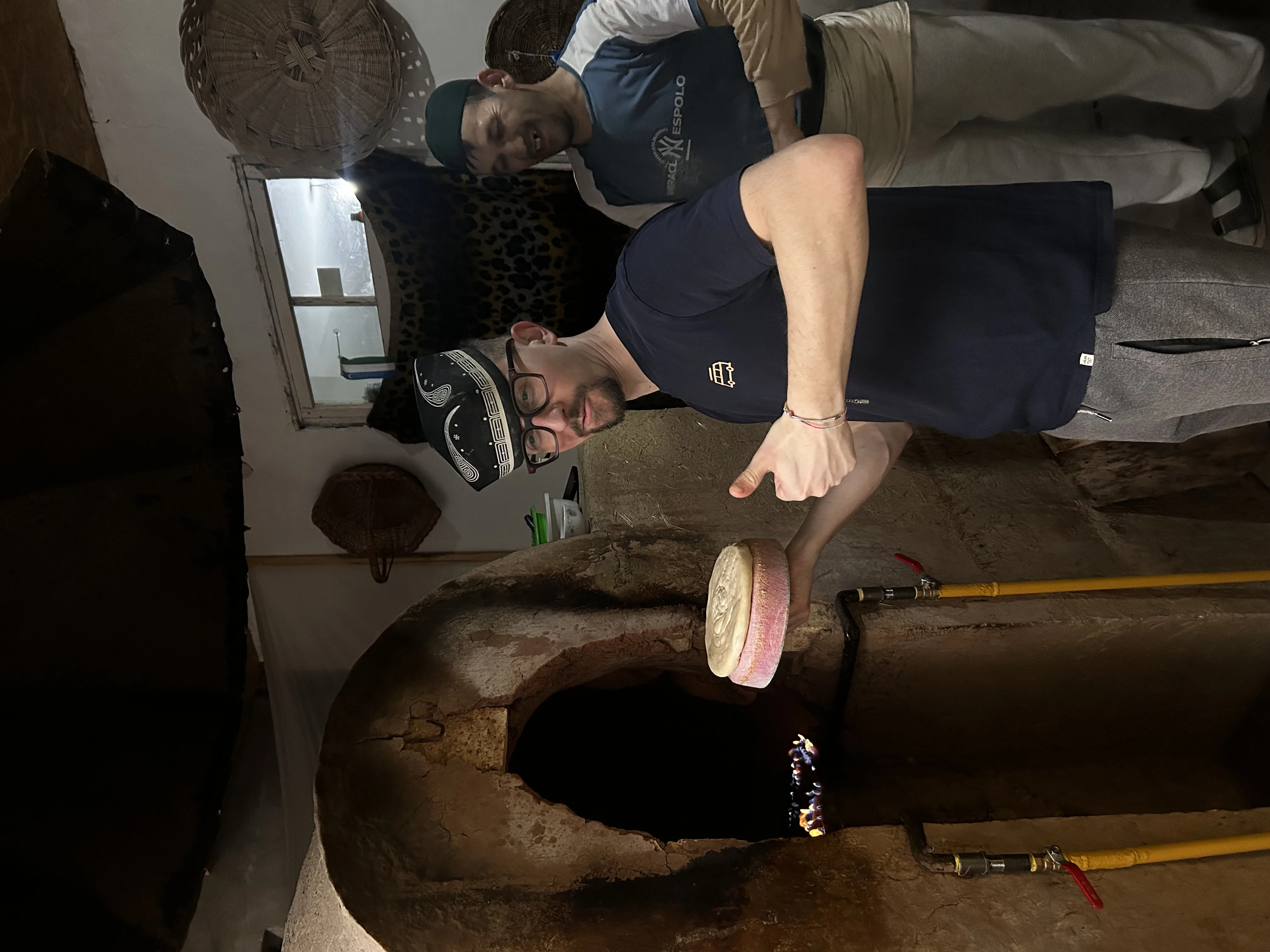
A tandir (also spelled tandyr or tandoor) is a cylindrical clay oven that's been the heart of Central Asian cooking for over two millennia. Unlike modern ovens that cook with indirect heat, a tandir creates an inferno — temperatures inside reach 400-500°C (750-930°F). The traditional baking method relies on radiant heat from the clay walls and direct exposure to hot coals at the bottom.
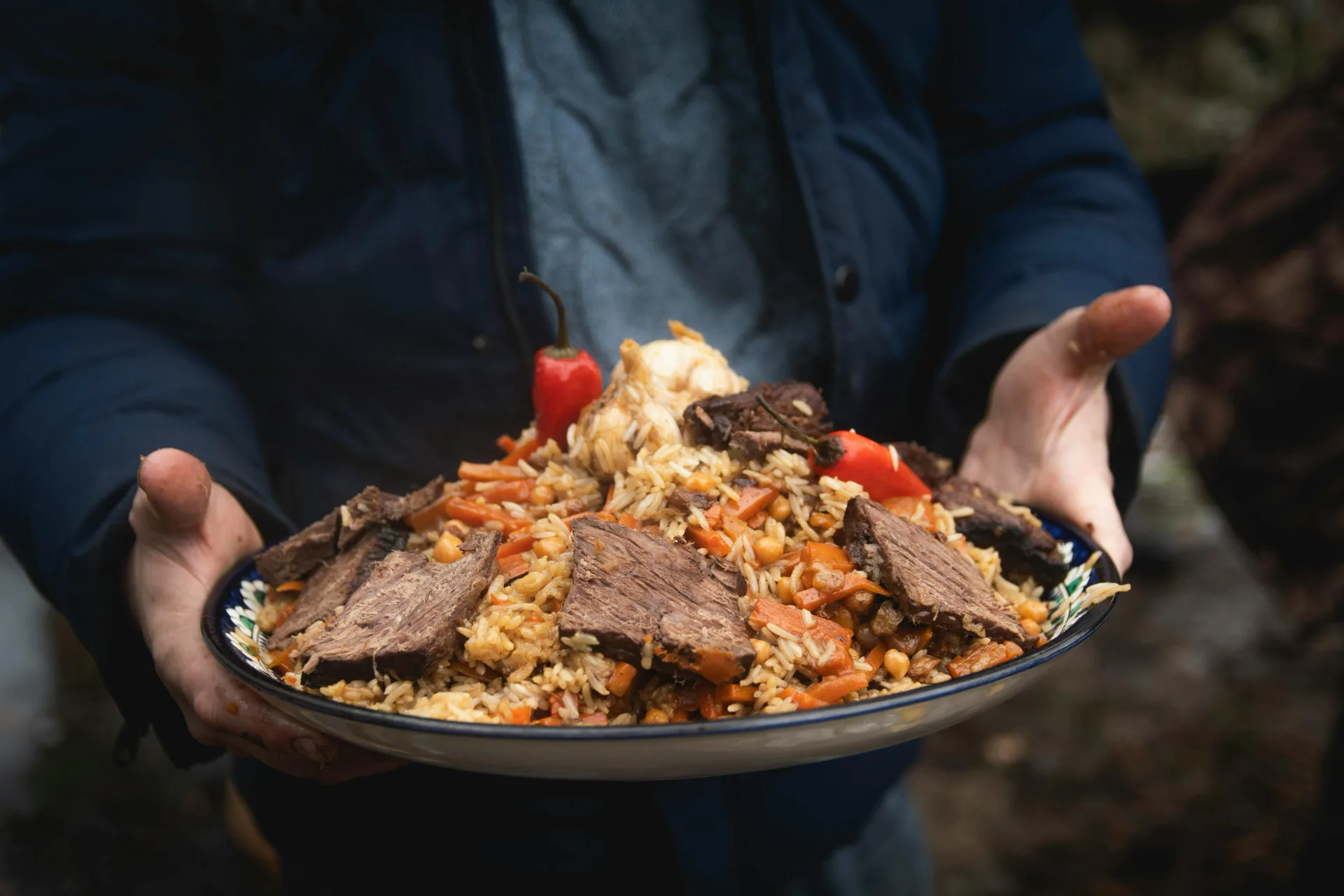
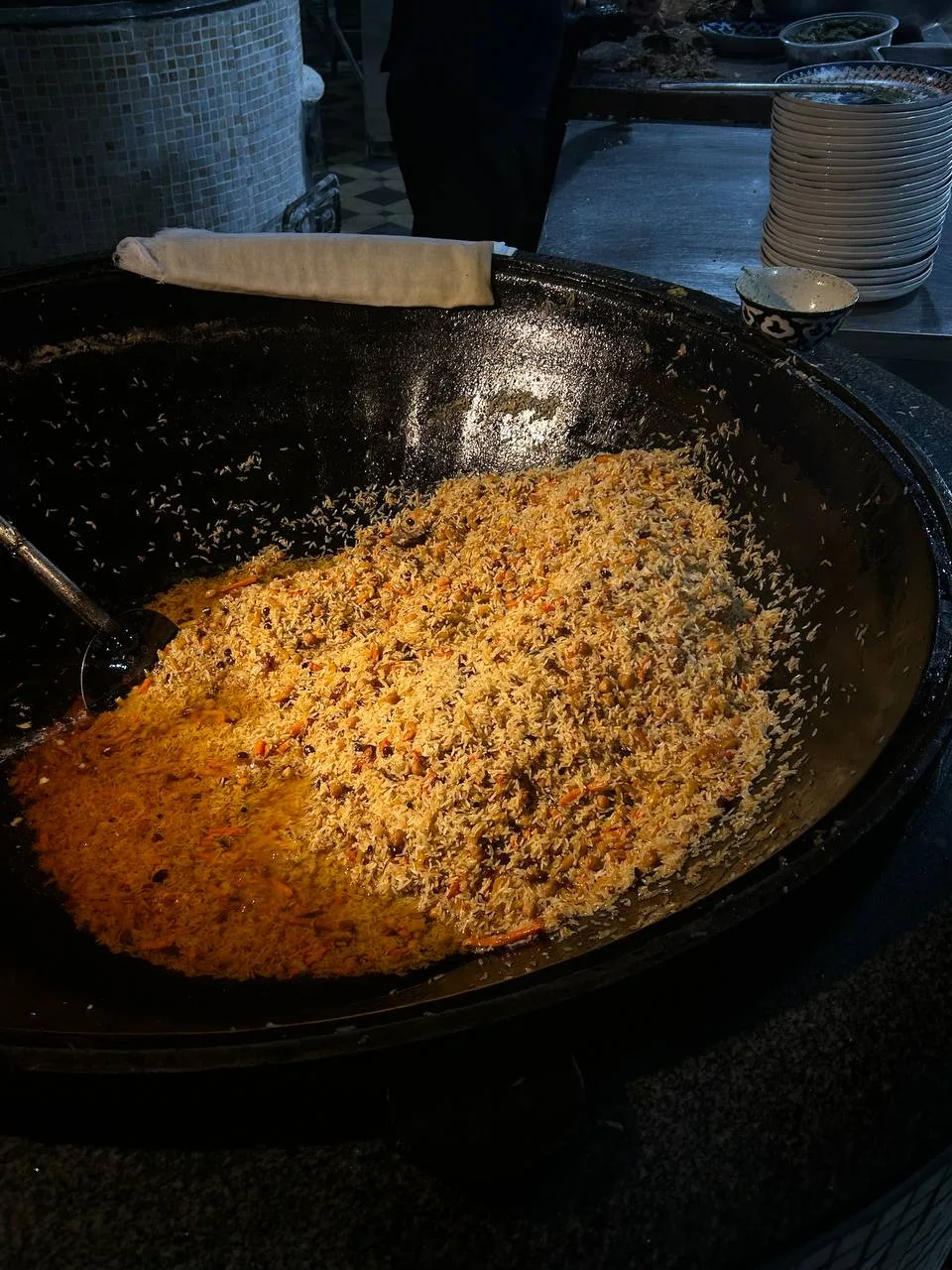
The tandir isn't just for bread. We use it for roasting meat, baking samsa (savory pastries), and even slow-cooking plov in special iron cauldrons. But bread — specifically non or patyr — remains its primary calling.
The Two Types of Uzbek Bread
Non (Нон) is the everyday flatbread: round, with a flat center stamped with traditional patterns and a thick, bubbly rim. Each region has its own style. Samarkand non is massive and paper-thin. Bukhara non is smaller and denser. Tashkent non sits somewhere in between.
Patyr is the celebration bread — richer, layered with butter or sheep tail fat, often sweet. You'll see it at weddings, Navruz festivals, and special occasions.
The Sacred Ritual of Bread Making
In Uzbek culture, bread is sacred. You never place it face-down. You never throw it away. If a piece falls on the ground, you pick it up, kiss it, and touch it to your forehead as a sign of respect.
This reverence extends to the baking process. When Bibi Gulnora starts her morning, she doesn't just fire up the oven. She lights the coals, waits for the tandir to "wake up" (her words), and says a quiet prayer. The first loaf of the day is never sold — it goes to a neighbor or someone in need.
The Technique: Hotter Than You Think
Baking in a tandir requires three skills that take years to master:
1. The Slap
You stretch the dough into a circle, dock the center with a chekich (a spiked stamp that creates the traditional pattern and prevents bubbling), then slap it onto the tandir wall with enough force that it sticks but doesn't tear. Too gentle, and it slides down into the coals. Too aggressive, and you punch a hole through it.
2. The Timing
There are no thermometers. Bakers judge heat by how quickly the dough browns, the sound it makes when touched, and — I'm not making this up — by holding their hand near the opening and counting how many seconds they can stand it. Bibi Gulnora says she can tell the temperature within 10 degrees just by the smell.
3. The Extraction
You have about 90 seconds before the bread burns. Bakers use long metal hooks or flat paddles to peel the loaves off the wall. One wrong move and your breakfast ends up in the ash pit.
Why Tandir Bread Tastes Different
If you've only eaten Uzbek bread outside of Uzbekistan, you haven't really tasted it. Tandir bread has:
- A crust unlike anything else: Blistered, charred in spots, with a crackle that sounds like breaking ice
- Irregular pockets: The intense heat creates air bubbles that range from paper-thin to inch-thick
- Smoky complexity: Burning oak or juniper wood adds subtle flavor notes that electric ovens can't replicate
- A 24-hour shelf life in texture: Fresh from the tandir, it's soft and steamy. By evening, the rim is still chewy but the center crisps up. By tomorrow, it's a different bread entirely — drier, denser, perfect for dipping in tea
When I tried to recreate this at home in a conventional oven, I got... flatbread. Decent flatbread, but not non. The tandir isn't just a cooking method — it's an ingredient.
Learning From the Masters
Our bread-making workshop takes you into Bibi Gulnora's courtyard in Tashkent's old Eski Shahar district. You won't be watching through a window. You'll:
- Mix the dough (flour, water, salt, and starter that's been kept alive for 40 years)
- Learn to stamp patterns with a chekich
- Light and tend the tandir fire
- Slap your first loaf onto the clay wall (with Bibi Gulnora's hands guiding yours)
- Pull it out before it burns (hopefully)
- Eat it warm with fresh butter and honey
She'll also teach you the bread etiquette: how to break it (always by hand, never with a knife), how to share it (the host always tears the first piece), and why you should never walk past bread without acknowledging it.
The Science and the Soul
Modern food scientists have tried to decode tandir bread. The high heat creates Maillard reactions that produce over 200 flavor compounds. The clay walls release moisture at just the right rate to create steam pockets without making the dough soggy. The mineral content of Uzbek clay (high in iron and silica) affects heat retention and transfer.
But ask any Uzbek baker why tandir bread tastes better, and they'll tell you: it's the hands that make it. The 4am wake-ups. The burns and calluses. The decades of practice. The prayers. The respect.
Bibi Gulnora's grandmother taught her mother. Her mother taught her. She's now teaching her granddaughter, who works beside her every morning. That's seven generations of knowledge baked into every loaf.
Where to Find Authentic Tandir Bread
In Tashkent:
- Chorsu Bazaar: Dozens of tandir ovens around the perimeter. Go early (6-8am) for bread still warm from the oven
- Eski Shahar (Old City): Family-run bakeries in residential courtyards. Look for smoke rising from backyards
- Mirabad Bazaar: Less touristy than Chorsu, more authentic neighborhood feel
In Samarkand:
- Siyob Bazaar: Famous for Samarkand's giant, paper-thin non
In Bukhara:
- Every street corner: Bukhara has more tandirs per capita than any city in Uzbekistan
Join Us Around the Tandir
You can read about traditional baking methods, or you can stand next to a 500-degree clay oven at dawn, flour on your hands, watching your bread bubble and brown on the wall while an Uzbek grandmother tells you stories about her childhood in broken Russian.
Guess which one you'll remember in ten years?
Ready to learn the ancient art of tandir bread making? Book our hands-on bread baking experience and spend a morning with master bakers who've kept this 2,000-year-old tradition alive. Limited to 4 participants per session for personalized instruction.
Related experiences:
About the author
Yusufbek Mukhiddinov
Uzbek entrepreneur and cultural tourism specialist. Originally from Uzbekistan, spent 4 years in Poland before returning to co-found CraftnCulture in 2024.